
What is a high-voltage cable?
A high-voltage (HV) cable is an insulated power cable built to carry electricity at voltages above 1 kV between generators, substations and the grid. In the energy sector, cables up to about 36 kV are usually called medium voltage (MV). HV usually refers to cable systems from 36 kV up to 400 kV and beyond, such as wind farm export cables and transmission connections. The higher the voltage, the more power a cable can transport with lower losses, and the more carefully its insulation must be designed, installed and tested.
How an HV cable is built
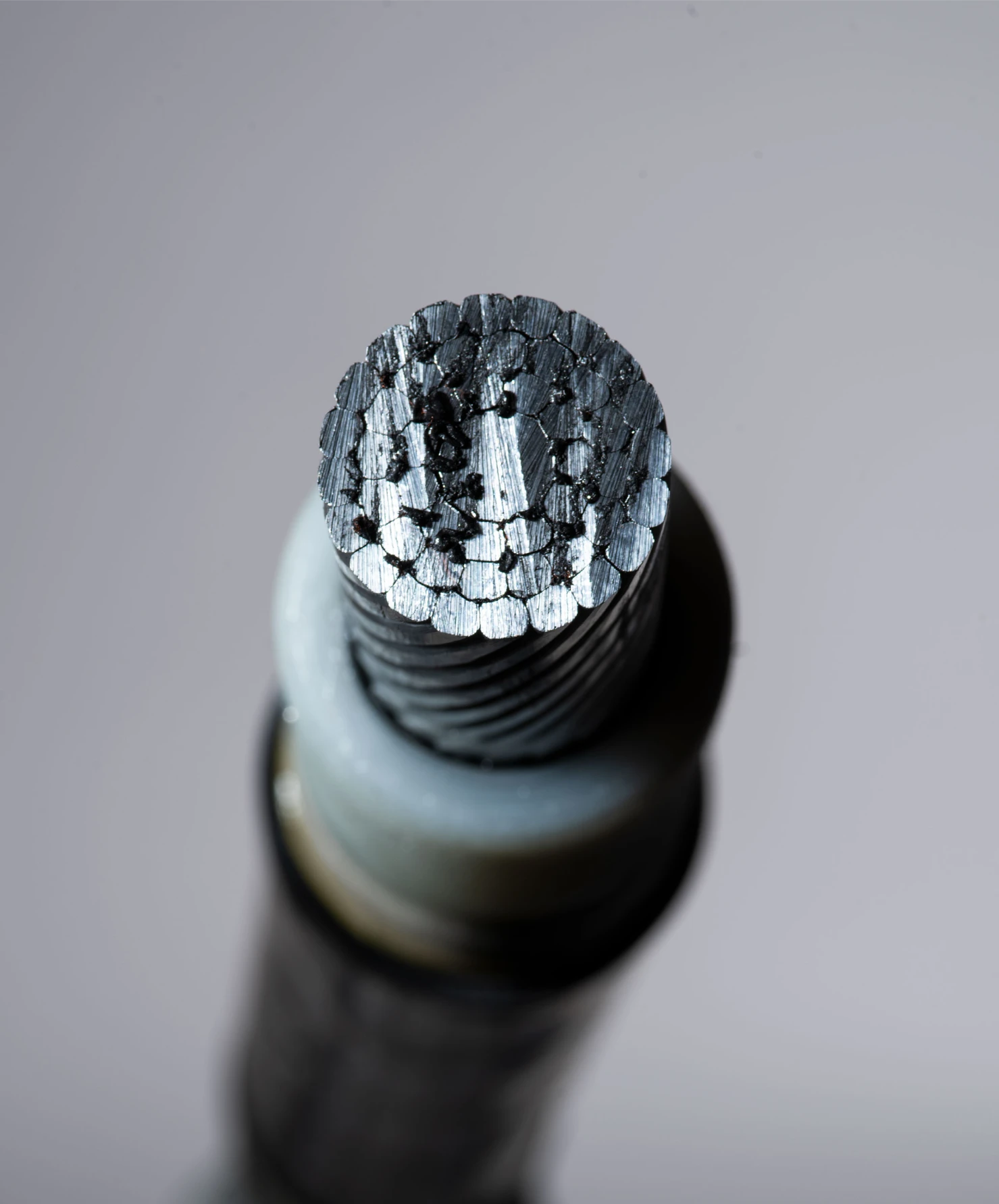
Modern HV cables are built in layers around the conductor, each with its own job:
- Conductor: copper or aluminium, stranded or segmented, carrying the current.
- Conductor screen: a semiconducting layer that smooths the electric field around the conductor.
- Insulation: usually cross-linked polyethylene (XLPE), which holds back the full system voltage.
- Insulation screen: a second semiconducting layer that keeps the electric field evenly within the insulation.
- Metallic screen or sheath: copper wires, copper tape, lead or aluminium. It carries fault and charging current and keeps water out.
- Outer sheath: a polyethylene jacket that protects the cable mechanically and against corrosion.
Subsea cables add steel wire armour and often carry fibre optics for communication and temperature monitoring.
Where HV cables are used
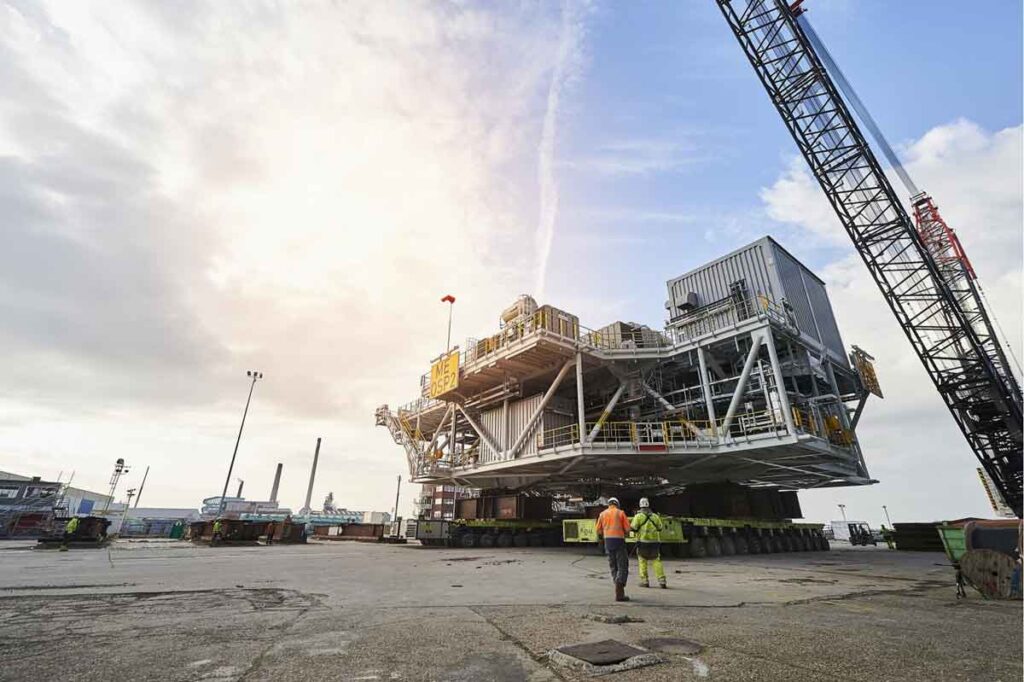
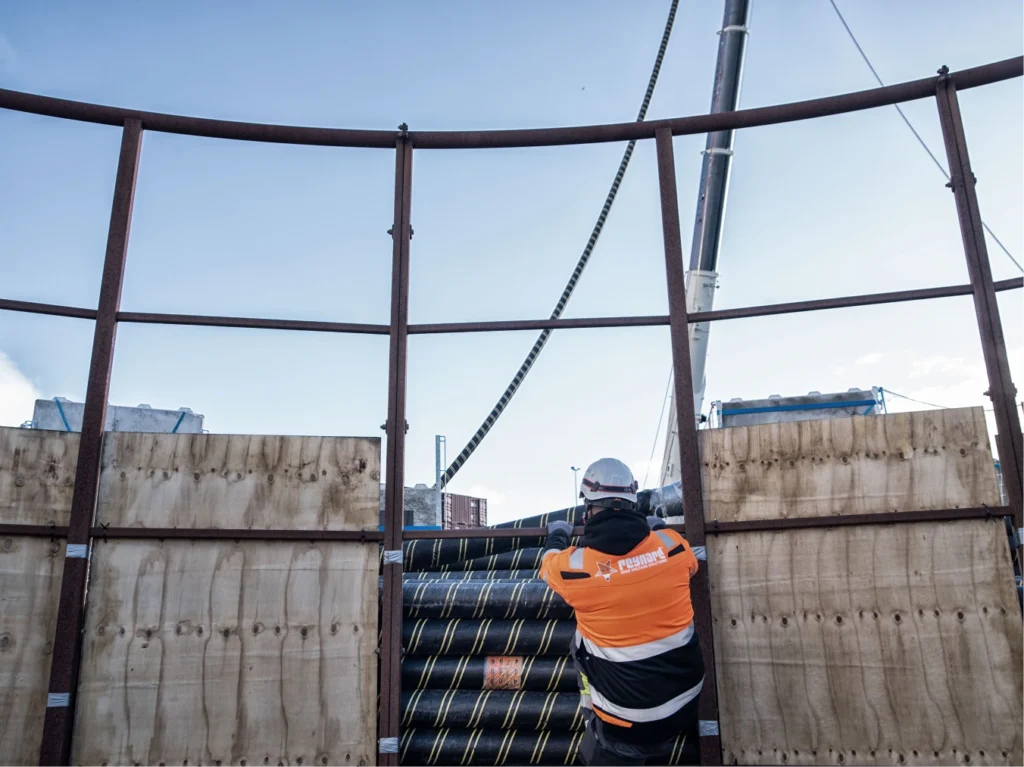
- Offshore wind: array cables connect the turbines to the offshore substation, often at 66 kV. Export cables bring the power to shore.
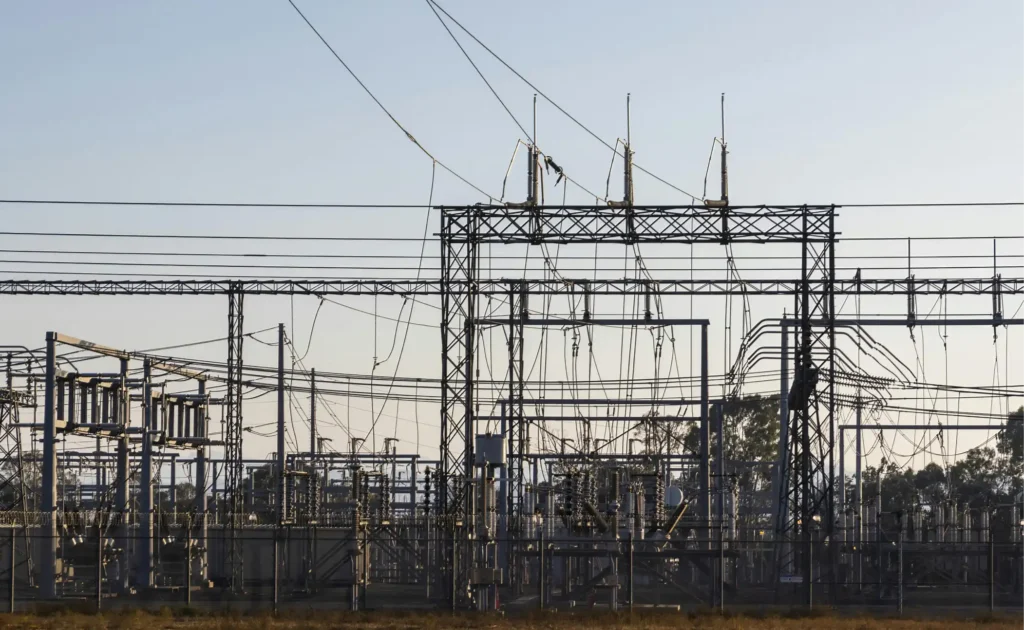
- Substations and grid connections: connecting transformers, switchgear and the grid at a substation.
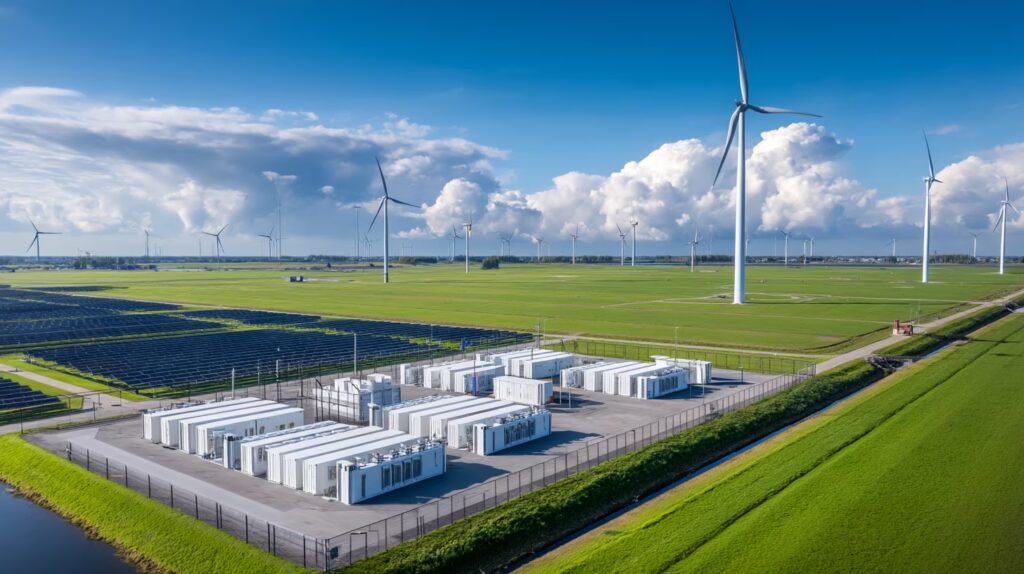
- Battery storage and solar parks: linking battery energy storage systems and solar farms to the grid.
- Industry and infrastructure: supplying large industrial sites, data centres and rail networks.
Joints, terminations and testing
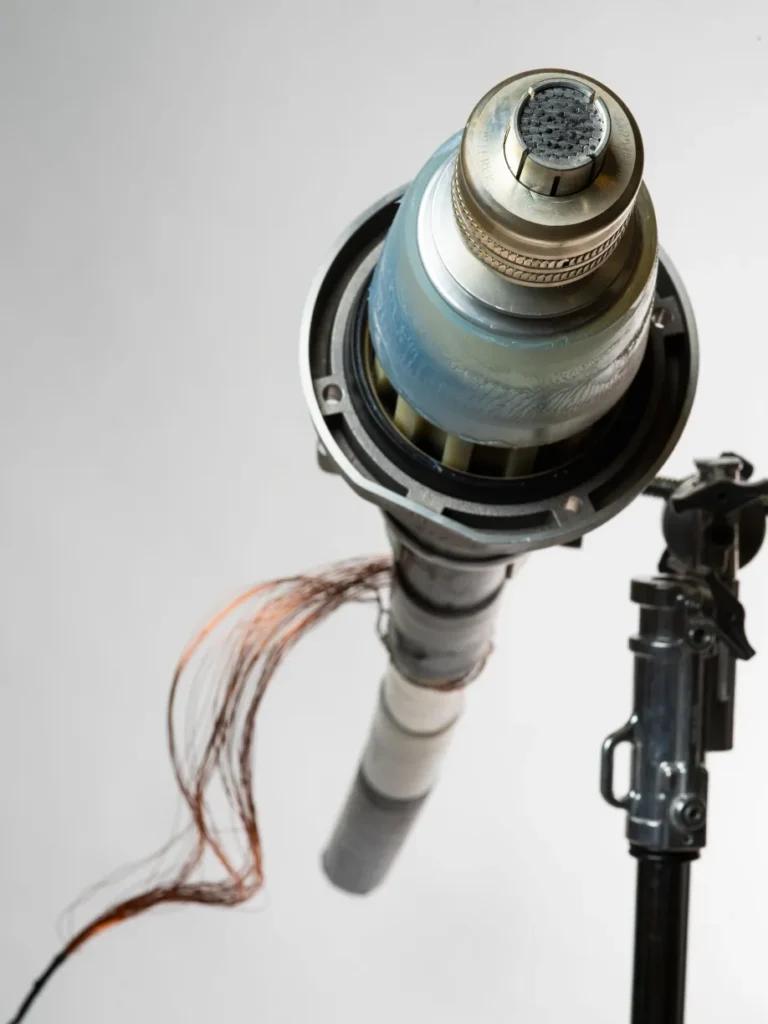
An HV cable is only as reliable as its weakest point. In practice, that is usually where the cable is joined or ended. A cable joint connects two lengths of cable. A cable termination connects the cable end to switchgear, a transformer or an overhead line. Both must rebuild every layer of the cable by hand, so the quality of the work matters as much as the cable itself.
Before energisation, and after repairs, cable systems are tested to show that the insulation, joints and terminations are sound. Common tests are VLF withstand testing, tan delta, partial discharge measurements and insulation resistance testing.
HV cable work at Reynard
Reynard joints, terminates and tests HV cable systems up to 400 kV and has terminated more than 10,000 cables. Its teams work on site for onshore grid connections and offshore wind projects. They also deliver Ready-Terminated & Tested HV cables, prepared and tested in the Nieuw-Vennep workshop before they go to site. Reynard Academy trains new specialists in its HV Jointer Training. Have an HV cable project? Contact Reynard.