
What is a grid connection?
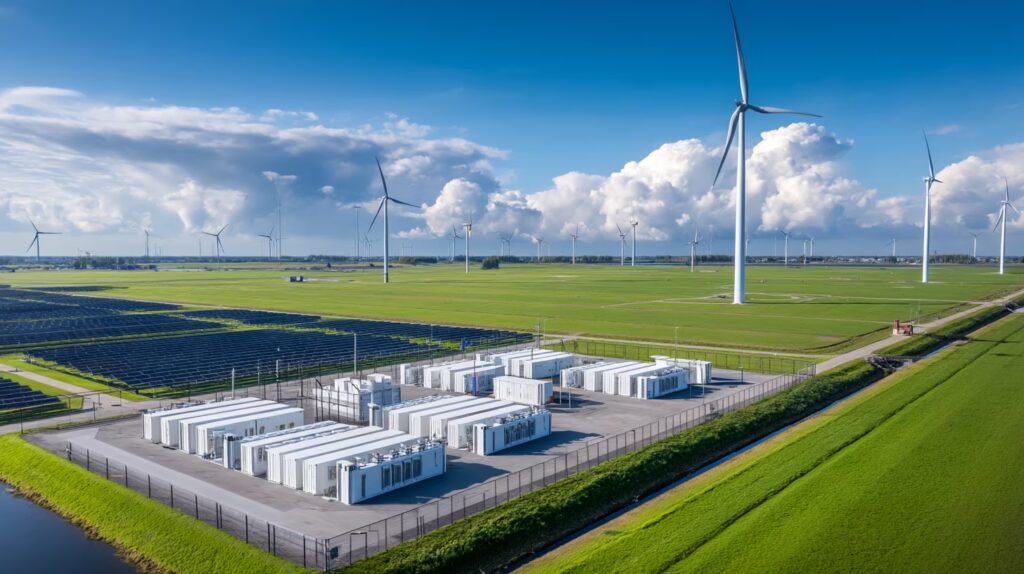
A grid connection is the link between an installation and the electricity grid. The installation might be a wind farm, solar park, battery storage system or large industrial site. Physically, a grid connection is the cables, switchgear, transformers and protection that carry power between the installation and the grid operator’s substation. Contractually, it is the agreement with the grid operator on how much capacity the installation may feed in or take out.
Who provides grid connections
In the Netherlands, transmission system operator TenneT runs the high-voltage grid from 110 kV upwards. Regional distribution system operators such as Liander, Stedin and Enexis run the networks below that. The connection voltage depends on the capacity needed. Smaller installations connect to the low- or medium-voltage network, while large wind and solar farms connect to a high-voltage substation.
The parts of a grid connection
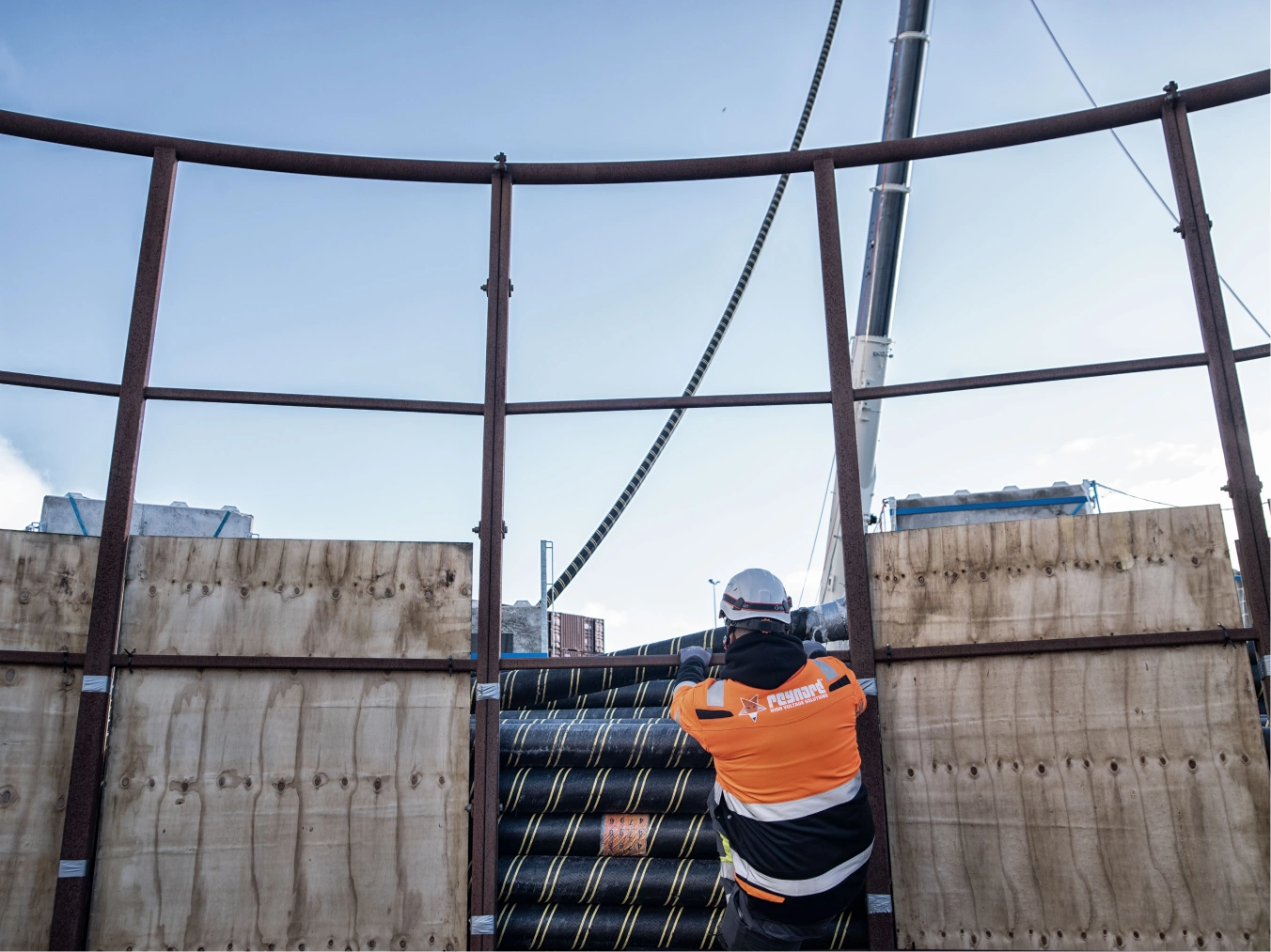
- Cable route: medium- or high-voltage cables between the installation and the grid substation, with cable joints along the way.
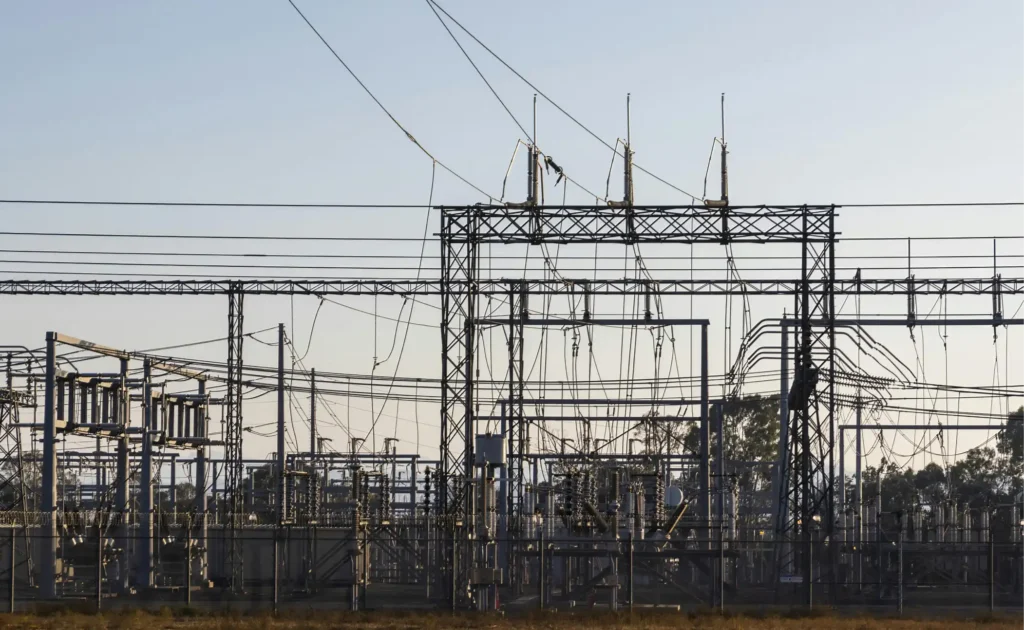
- Substation: transformers change the voltage, and switchgear and protection isolate faults.
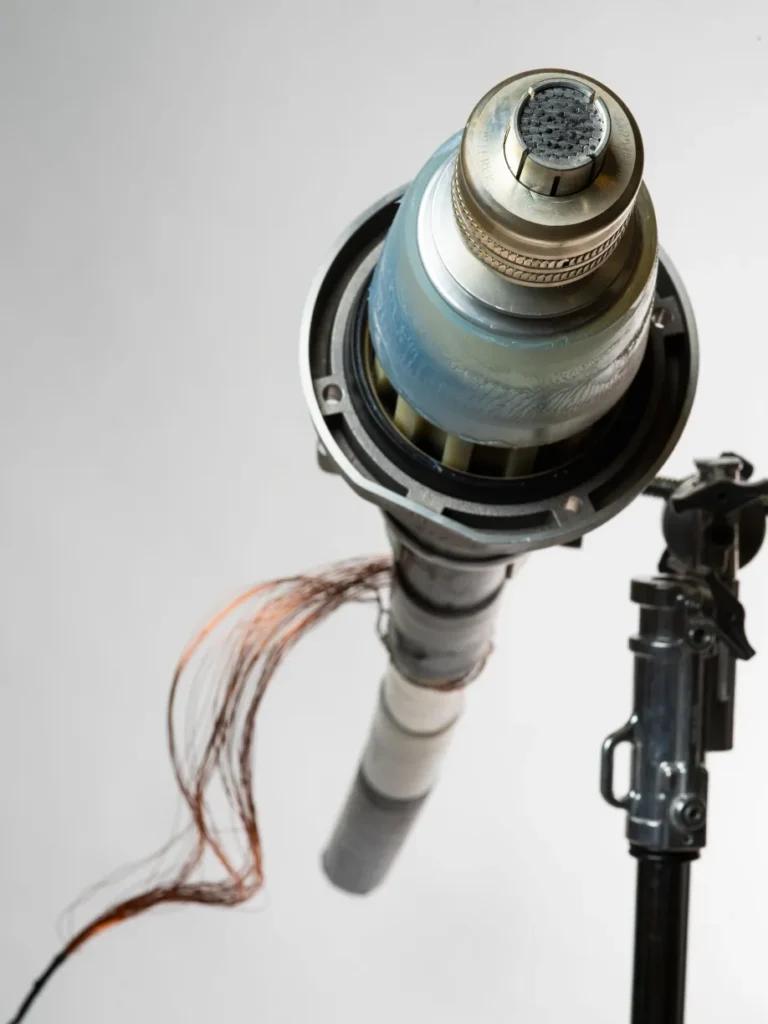
- Cable terminations: connect the cables to the switchgear and transformers.
- Metering and protection: measure the energy exchanged and disconnect the installation if there is a fault.
Grid congestion
In many parts of the Netherlands the grid is congested: there is not enough transport capacity for every new connection. As a result, flexible solutions are becoming more common, such as battery storage next to a wind or solar park, and connection agreements that limit feed-in at peak times.
From installation to energisation
Before a grid connection is energised, the cable system is tested and documented, and grid operators usually ask for those test reports. Typical tests are VLF withstand testing, tan delta and partial discharge measurements on the cables, joints and terminations.
Grid connections at Reynard
Reynard builds the high-voltage connections for substations, battery storage, wind farms and solar parks. Its work covers cable jointing, terminations up to 400 kV, testing and the documentation needed for energisation. See onshore high-voltage connections, mobile high-voltage testing and full-service subcontracting. Planning a grid connection? Contact Reynard.