
Introduction to Distribution System Operators (DSOs)
In the electrical power sector, Distribution System Operators (DSOs) play a crucial role in ensuring the reliable and efficient delivery of electricity to end users. As the energy landscape evolves with the integration of renewable energy sources and smart grid technologies, the responsibilities and importance of DSOs have grown significantly. This article delves into the role of DSOs, their functions, challenges, and the future of electricity distribution.
What is a Distribution System Operator (DSO)?
A Distribution System Operator (DSO) is an entity responsible for operating, maintaining, and developing the electricity distribution network. DSOs ensure that electricity generated by power plants, including renewable sources, is delivered to consumers reliably and efficiently. They manage the infrastructure that carries electricity from high-voltage transmission networks to lower-voltage distribution networks, ultimately reaching homes, businesses, and industries.
The Role of DSOs in the Electricity Sector
DSOs are essential for maintaining the stability and reliability of the electricity distribution network. Their responsibilities include monitoring and managing the flow of electricity, maintaining infrastructure, and integrating new technologies and energy sources. By ensuring efficient operation of the distribution network, DSOs play a critical role in the overall stability of the power system.
Historical Development of Distribution System Operators
The concept of DSOs has evolved alongside the development of electricity networks. Initially, electricity distribution was managed by vertically integrated utilities responsible for generation, transmission, and distribution. With the liberalization and deregulation of energy markets, the functions of generation, transmission, and distribution were separated, leading to the establishment of independent DSOs focused solely on managing distribution networks.
Key Responsibilities of Distribution System Operators
DSOs have a wide range of responsibilities that ensure the efficient and reliable operation of electricity distribution networks.
Operation and Maintenance of Distribution Networks
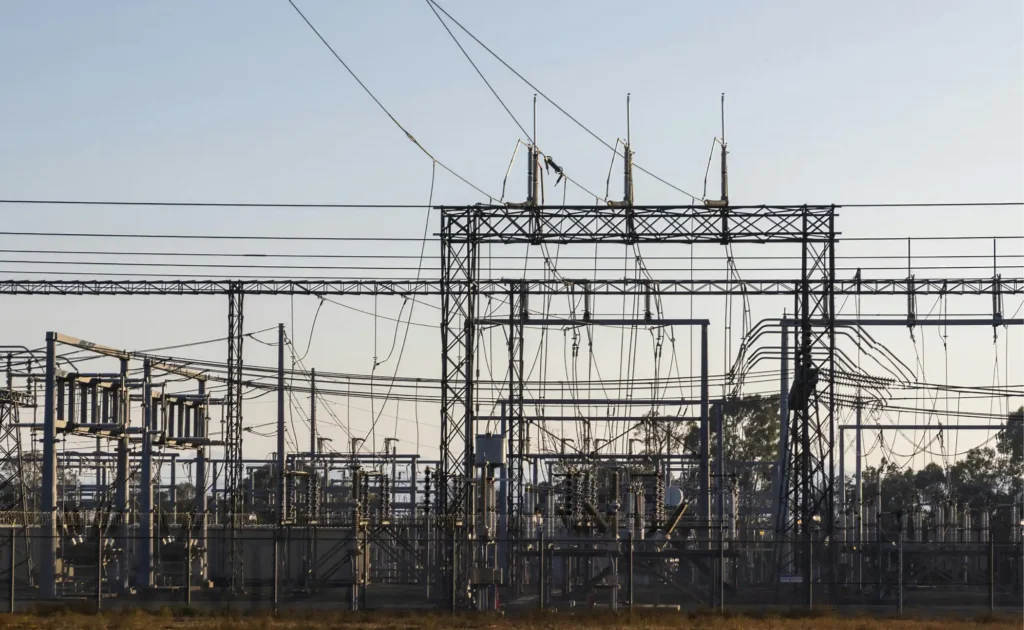
DSOs are responsible for the day-to-day operation and maintenance of distribution networks. This includes monitoring the flow of electricity, managing grid stability, and ensuring that infrastructure such as power lines, transformers, and substations are in good working condition.
Grid Connection and Integration
One of the critical functions of DSOs is to manage the connection of new users to the distribution network. This includes integrating new residential, commercial, and industrial customers, as well as accommodating the connection of distributed energy resources (DERs) such as solar panels and wind turbines.
Ensuring Power Quality and Reliability
DSOs are tasked with maintaining high standards of power quality and reliability. This involves managing voltage levels, minimizing power outages, and quickly responding to and resolving any disruptions in the electricity supply.
Metering and Data Management
Accurate metering and data management are vital for the efficient operation of distribution networks. DSOs collect and manage data from smart meters, which provides valuable insights into energy consumption patterns and helps in demand forecasting and grid management.
Challenges Faced by Distribution System Operators
While DSOs play a critical role in the electricity sector, they face several challenges in their operations.
Integration of Renewable Energy Sources
The increasing integration of renewable energy sources presents both opportunities and challenges for DSOs. While renewables contribute to sustainability, their intermittent nature requires DSOs to manage grid stability and ensure reliable power supply.
Aging Infrastructure
Many distribution networks are based on aging infrastructure that requires significant upgrades and maintenance. DSOs must balance the need for modernization with the constraints of limited budgets and resources.
Cybersecurity Threats
As distribution networks become more digitalized and interconnected, they are increasingly vulnerable to cybersecurity threats. DSOs must implement robust cybersecurity measures to protect their networks from potential attacks.
Regulatory and Policy Changes
The energy sector is subject to frequent regulatory and policy changes that affect the operations of DSOs. Keeping up with these changes and ensuring compliance can be challenging and requires continuous adaptation.
Innovations and Future Trends in Distribution System Operations
The role of DSOs is evolving with advancements in technology and changing energy landscapes. Several innovations and trends are shaping the future of distribution system operations.
Smart Grid Technologies
The adoption of smart grid technologies is transforming the operations of DSOs. These technologies enable real-time monitoring and control of the distribution network, improving efficiency, reliability, and integration of renewable energy sources.
Energy Storage Solutions
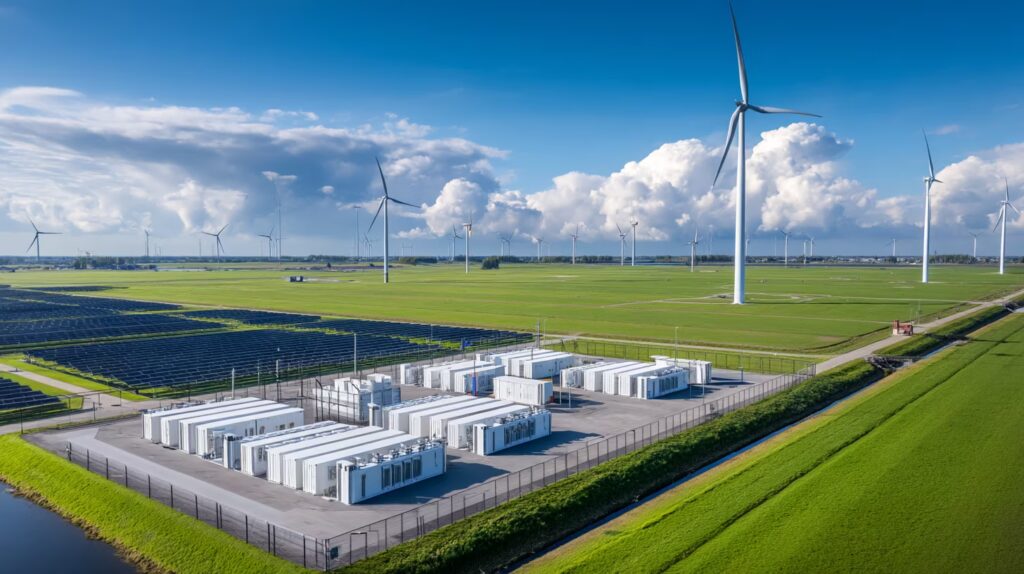
Energy storage solutions, such as batteries, are becoming increasingly important for DSOs. These solutions help balance supply and demand, store excess energy generated by renewables, and enhance grid stability.
Demand Response Programs
Demand response programs allow DSOs to manage electricity demand by incentivizing consumers to reduce or shift their energy usage during peak times. This helps in maintaining grid stability and reducing the need for additional generation capacity.
Digitalization and Data Analytics
The digitalization of distribution networks and the use of data analytics are providing DSOs with valuable insights into grid operations. This enables predictive maintenance, better demand forecasting, and more efficient management of the distribution network.
Case Studies of Successful DSO Implementations
Examining case studies of successful DSO implementations provides valuable insights into best practices and the benefits achieved.
Case Study: Smart Grid Implementation in Europe
A leading European DSO implemented smart grid technologies across its distribution network, resulting in improved grid reliability, reduced outage times, and enhanced integration of renewable energy sources. The project demonstrated the potential of smart grids to transform distribution system operations.
Case Study: Renewable Energy Integration in North America
A North American DSO successfully integrated a significant amount of distributed energy resources, including solar and wind, into its distribution network. The use of advanced monitoring and control systems ensured reliable power supply despite the variability of renewable energy sources.
FAQs about Distribution System Operators
What is a Distribution System Operator (DSO)?
A Distribution System Operator (DSO) is an entity responsible for operating, maintaining, and developing the electricity distribution network to ensure reliable and efficient power delivery.
What are the main responsibilities of DSOs?
DSOs are responsible for the operation and maintenance of distribution networks, grid connection and integration, ensuring power quality and reliability, and managing metering and data.
What challenges do DSOs face?
DSOs face challenges such as integrating renewable energy sources, managing aging infrastructure, addressing cybersecurity threats, and adapting to regulatory and policy changes.
How do smart grid technologies benefit DSOs?
Smart grid technologies enable real-time monitoring and control of the distribution network, improving efficiency, reliability, and integration of renewable energy sources.
What role do energy storage solutions play for DSOs?
Energy storage solutions help DSOs balance supply and demand, store excess energy, and enhance grid stability.
What are demand response programs?
Demand response programs incentivize consumers to reduce or shift their energy usage during peak times, helping DSOs maintain grid stability and reduce the need for additional generation capacity.
Conclusion: The Future of Distribution System Operators
Distribution System Operators (DSOs) are vital to the efficient and reliable delivery of electricity in modern power systems. As the energy landscape continues to evolve, DSOs must adapt to new technologies, integrate renewable energy sources, and address emerging challenges. By embracing innovations and implementing best practices, DSOs can continue to play a critical role in ensuring the stability and sustainability of electricity distribution networks.