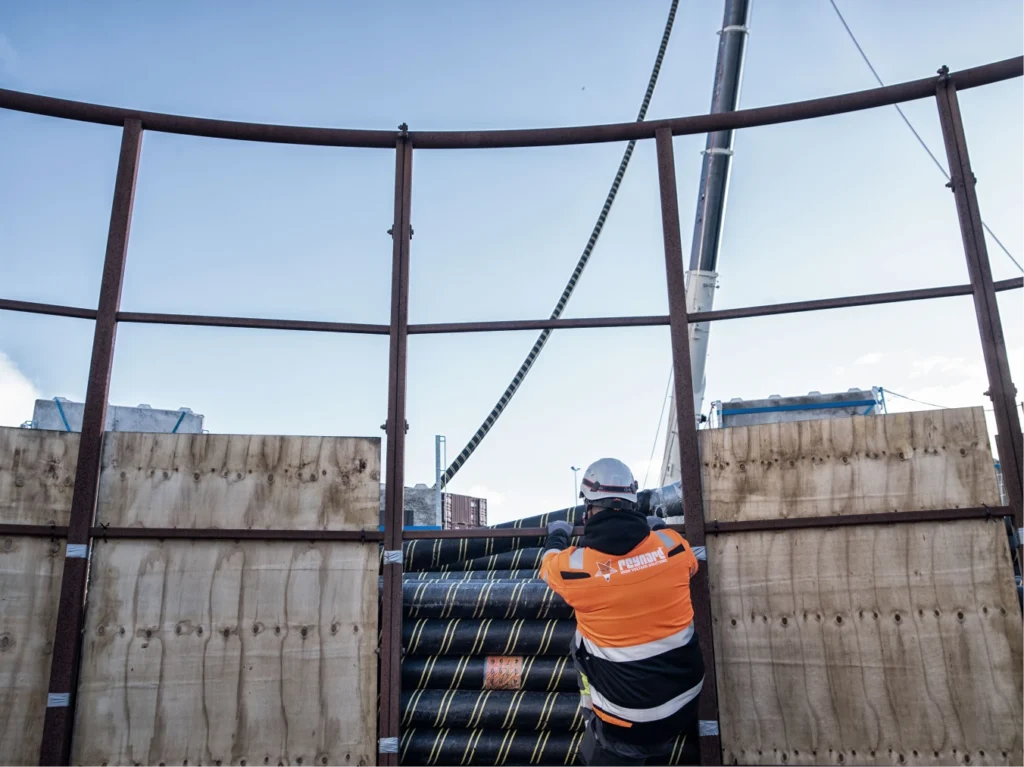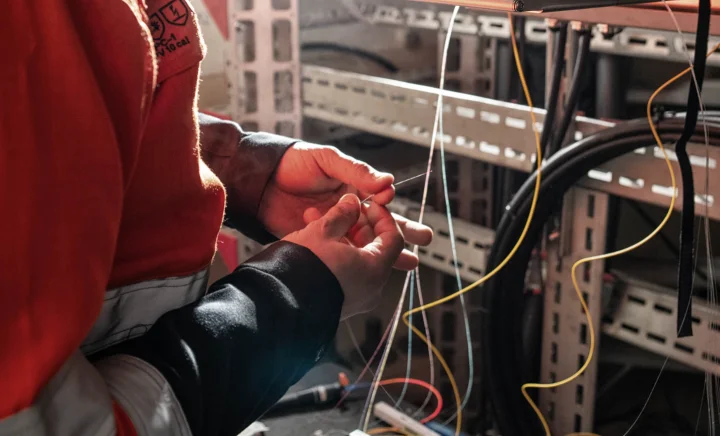

Engineering, Procurement, and Construction (EPC) is a widely adopted project delivery method in the energy, infrastructure, and industrial sectors. It offers clients a turnkey solution, where a single contractor is responsible for the complete scope—from the initial design and engineering to the procurement of materials and final construction. EPC contracts have become the gold standard for efficiency, cost control, and accountability in large-scale projects.
If you’re interested in exploring EPC services for your project, visit our Services page or reach out via our Contact page.
What Does EPC Mean?
The EPC model is defined by its three pillars:
- Engineering: The detailed design of the project, including technical specifications, schematics, and compliance with safety and regulatory standards.
- Procurement: The sourcing, purchasing, and logistics of all necessary equipment, materials, and services to execute the project.
- Construction: The actual building, installation, and commissioning of the project until it is fully operational and ready for use.
This “design-to-delivery” approach makes EPC a preferred model for clients who want one responsible entity to handle the entire process.
Why Choose an EPC Contract?
Opting for an EPC contract offers several advantages:
- Single Point of Responsibility: The EPC contractor takes full accountability, reducing complexity for the client.
- Fixed Cost and Timeline: Most EPC agreements are lump-sum turnkey contracts, providing transparency and predictability.
- Integrated Expertise: Combining engineering, procurement, and construction ensures seamless coordination and higher efficiency.
- Risk Mitigation: Risks such as delays, cost overruns, and procurement challenges are transferred from the client to the EPC contractor.
For tailored EPC solutions in the high-voltage and energy industries, check our Services page.
EPC in Energy and Infrastructure
EPC is widely used in sectors such as:
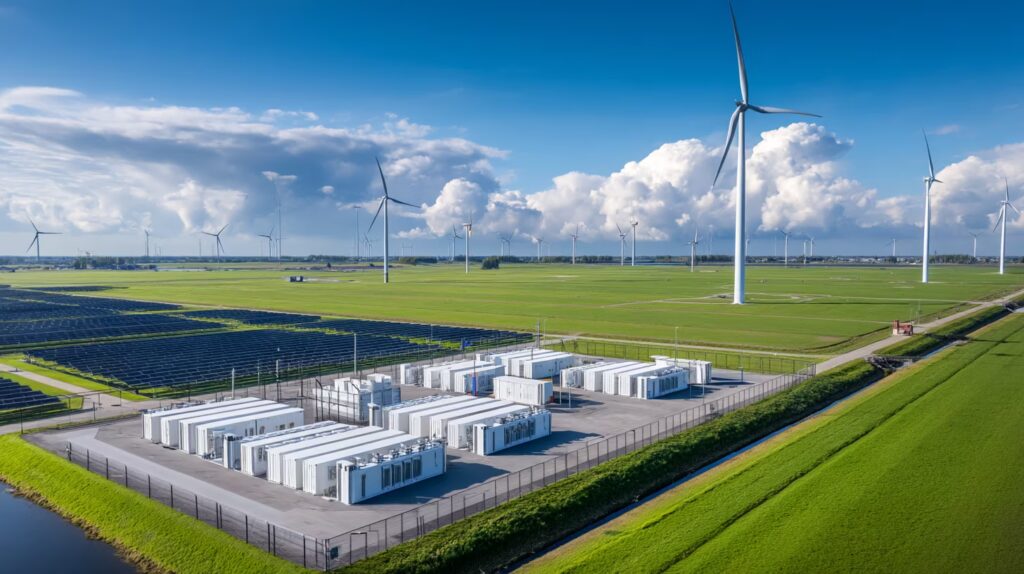
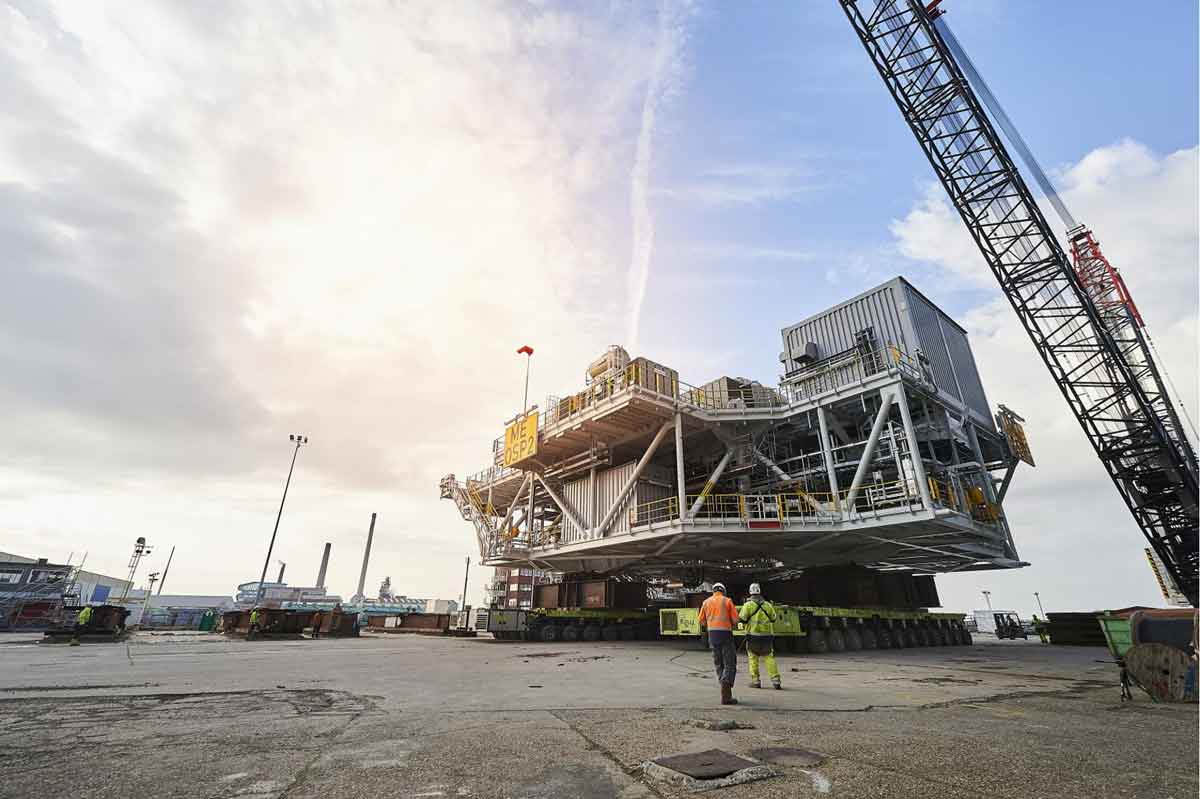
- Renewable Energy Projects: Including wind farms, solar parks, and offshore substations.
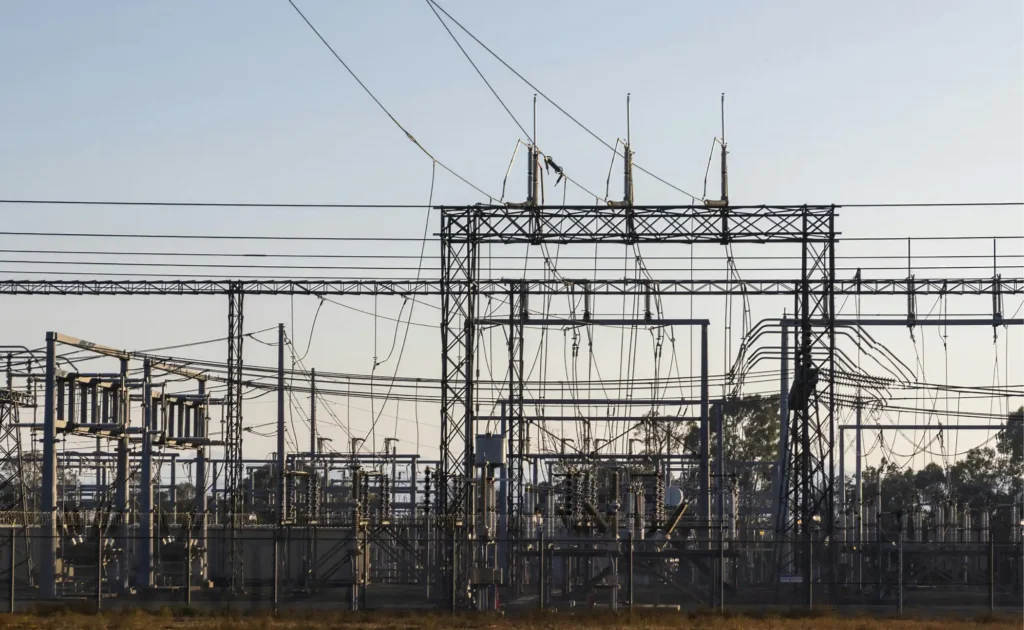
- High Voltage Installations: Substations, cabling, and grid integration.
- Industrial Plants: Facilities for oil, gas, and manufacturing.
- Infrastructure: Roads, bridges, and large-scale civil engineering projects.
In offshore wind projects, for example, an EPC contractor may design the offshore substation, procure turbines and subsea cables, and oversee the construction and commissioning process.
The EPC Process
The EPC process can be divided into several stages:
- Concept and Design – Developing a blueprint that aligns with client requirements.
- Procurement – Sourcing critical equipment like transformers, turbines, and high-voltage components.
- Construction and Installation – Building and assembling the project components on-site.
- Commissioning and Handover – Testing systems and ensuring operational readiness before transferring the project to the client.
This streamlined process makes EPC an attractive model for projects that demand both technical complexity and tight timelines.
The Importance of EPC in Offshore and Onshore Projects
In both onshore and offshore environments, EPC ensures efficient project delivery. Offshore projects in particular benefit from the EPC model due to the logistical and technical challenges of working at sea. By consolidating engineering, procurement, and construction under one roof, EPC reduces delays and improves coordination, especially in renewable energy projects such as offshore wind farms.
FAQs
What is an EPC contract?
An EPC contract is a turnkey agreement where one contractor manages engineering, procurement, and construction responsibilities.
What are the benefits of EPC?
EPC provides cost certainty, a single point of contact, and reduces client risks while ensuring project delivery within scope and time.
Which industries use EPC?
EPC is common in energy, infrastructure, oil & gas, industrial plants, and renewable energy projects.
How does EPC differ from traditional contracting?
In traditional contracting, responsibilities are split among multiple entities. In EPC, one contractor is responsible for the full scope.
Is EPC suitable for renewable energy projects?
Yes, EPC is widely used in wind, solar, and offshore energy projects, offering efficient delivery and risk management.
Conclusion
Engineering, Procurement, and Construction (EPC) offers a comprehensive and reliable project delivery method for industries that demand precision, efficiency, and accountability. Whether in offshore wind farms, onshore substations, or industrial plants, EPC contracts ensure that projects are completed on time, within budget, and to the highest standards.
For more information about EPC solutions tailored to your needs, explore our Services page or get in touch through our Contact page.