
A high-voltage cable system may have been designed to operate for decades. But you can’t take its reliability for granted.
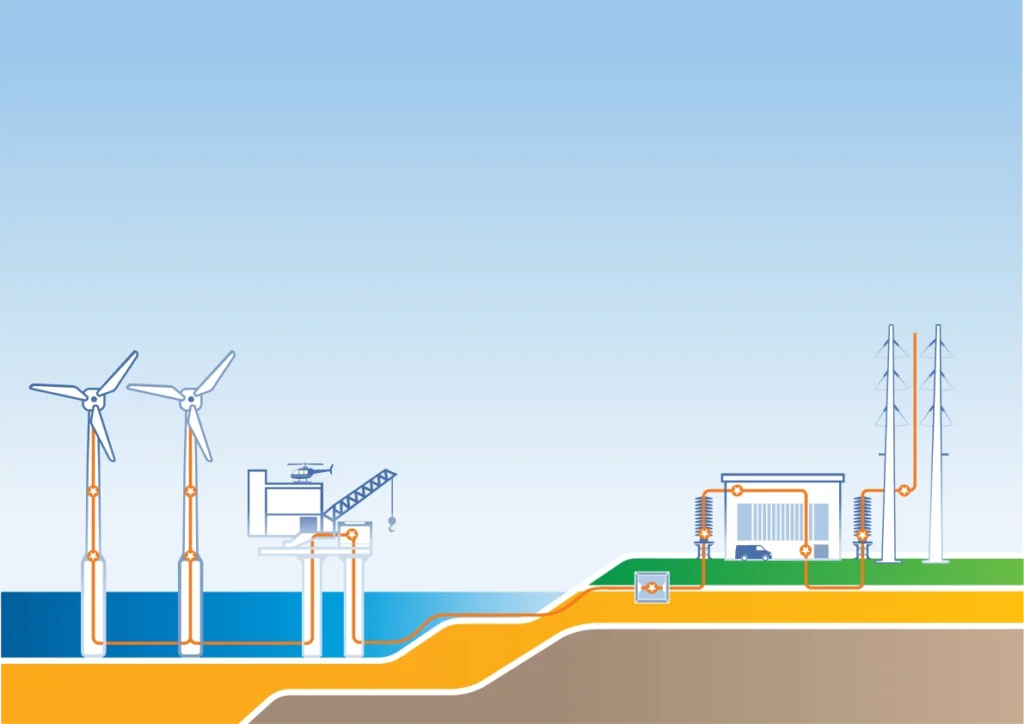
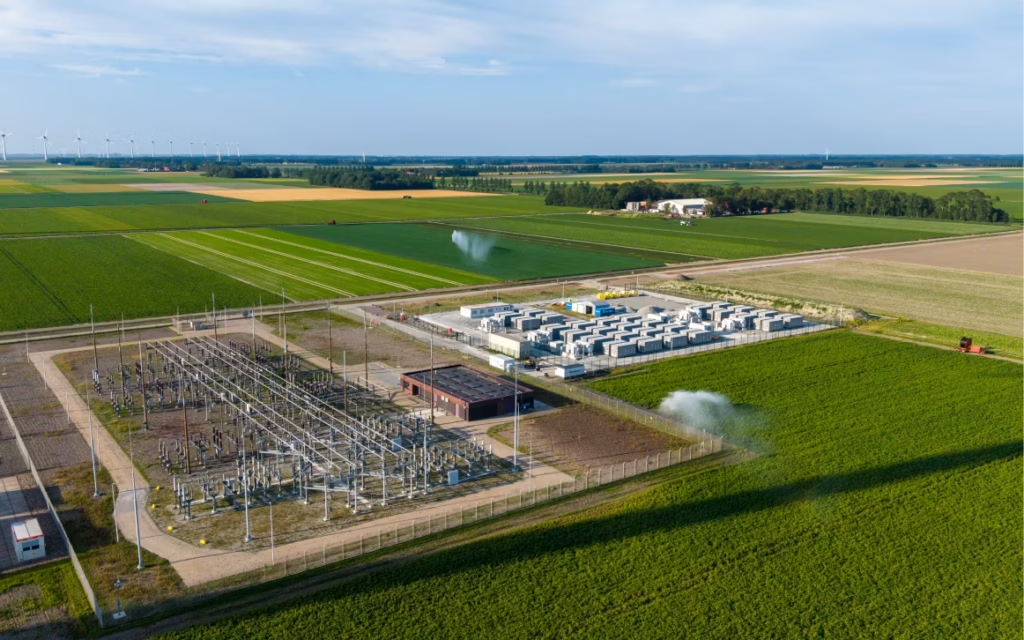
Terminations, joints and cable accessories operate under electrical, mechanical and environmental stress. Offshore, equipment must withstand movement, moisture, salt and demanding access conditions. Onshore, ageing infrastructure, changing loads and work by multiple contractors can create different risks. When a problem occurs, the consequences can extend far beyond the affected component.
That is why high-voltage cable repair and maintenance should focus on more than restoring power. The real objective is to identify what happened, repair the system correctly and reduce the risk of the same failure happening again.
Why high-voltage cable maintenance matters
High-voltage connections are small parts of much larger energy systems, but they can decisively affect availability. A defect in a termination, joint or cable accessory can interrupt operations, delay production and put pressure on everyone involved in getting the asset back online.
Effective HV cable maintenance helps asset owners and operators to:
- reduce unplanned downtime;
- identify developing issues before they become failures;
- extend the useful life of cable systems and accessories;
- plan interventions around operational windows;
- control lifecycle costs;
- improve the reliability of future operation.
Maintenance is therefore not simply a technical task. It is part of protecting the performance and availability of the complete asset.
From HV fault finding to a reliable repair
When a high-voltage cable system fails, replacing the visibly damaged component is not always enough. The first question should be: why did it fail?
The cause may lie in the component itself, the quality of an interface, installation conditions, contamination, mechanical stress, operating conditions or a combination of factors. Without proper fault finding and root cause analysis, a repair may restore the connection without resolving the underlying problem.
A structured repair process therefore brings several disciplines together:
- Assess the situation. Gather the available operational data, documentation and failure history.
- Locate and diagnose the fault. Use specialist knowledge and appropriate testing methods to identify the problem and what may have caused it.
- Define the repair method. Prepare the required people, procedures, equipment, accessories and working conditions.
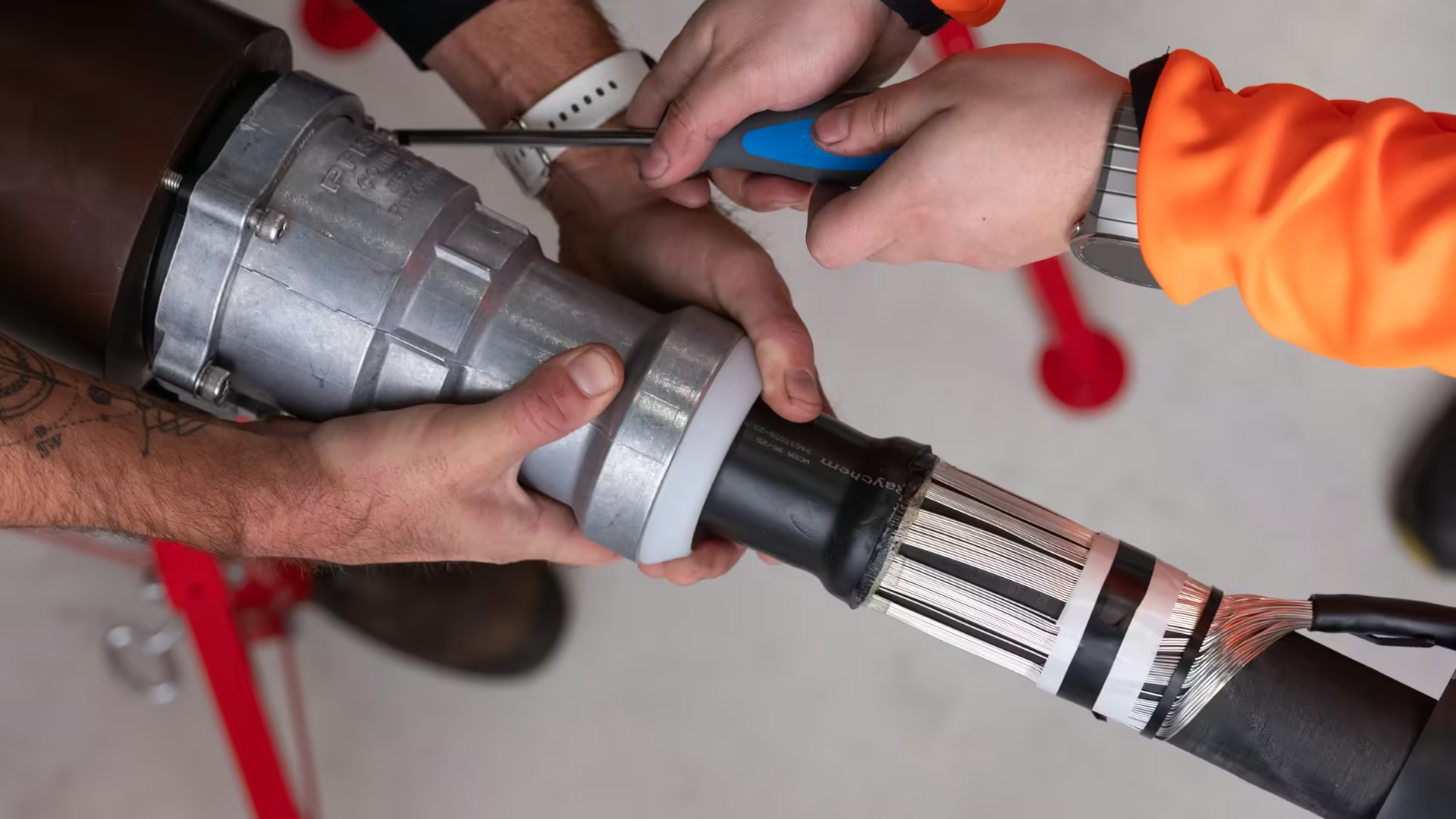
- Execute the repair. Carry out high-voltage jointing or termination work in a controlled, traceable way.
- Test the cable system. Verify the repaired connection’s integrity before returning it to service.
- Capture the findings. Document the work and use the lessons learned to help prevent recurrence.
This is where repair becomes reliability engineering: not just fixing what failed, but using the intervention to make future operation more predictable.
Preventive and corrective HV cable maintenance
The right maintenance approach depends on the asset, its operating environment and its criticality.
Preventive maintenance uses planned inspections, checks, testing and service intervals to identify potential issues and keep systems in the required condition.
Corrective maintenance begins when a defect or failure has already been identified. Speed matters, but so do accurate diagnosis, access to qualified specialists, and a repair method that can be executed safely.
For many operators, the best strategy combines both. Findings from corrective work inform future maintenance plans, while structured preventive maintenance reduces the likelihood of emergency interventions.
One specialist for jointing, testing and root cause analysis
High-voltage repair can become unnecessarily complex when fault finding, jointing, testing and documentation are handled as separate scopes. Every additional interface creates another handover and another opportunity for delay or incomplete information.
Reynard brings these capabilities together. Our repair and maintenance support includes:
- technical expertise for high-voltage cable systems and accessories;
- structured maintenance plans tailored to the asset;
- fault finding and root cause analysis;
- high-voltage jointing and termination work, offshore and onshore;
- high-voltage testing;
- corrective interventions and rapid response to critical issues;
- clear documentation and traceability.
Our high-voltage specialists work across onshore and offshore environments, including offshore wind cable repair. Reynard’s Academy, facilities, and testing capabilities support them, helping us prepare each intervention carefully and execute it to a consistent standard.
Reliability does not end at energisation
Successful energisation is an important milestone. Long-term performance is the real goal.
Whether you want to develop a structured HV maintenance plan, investigate a recurring fault or prepare for a critical repair, involve a specialist before the pressure is at its highest. The better the preparation and diagnosis, the greater the chance of a safe, efficient and lasting solution.
Talk to Reynard about high-voltage cable repair and maintenance for your onshore or offshore assets.