

What is a cable termination?
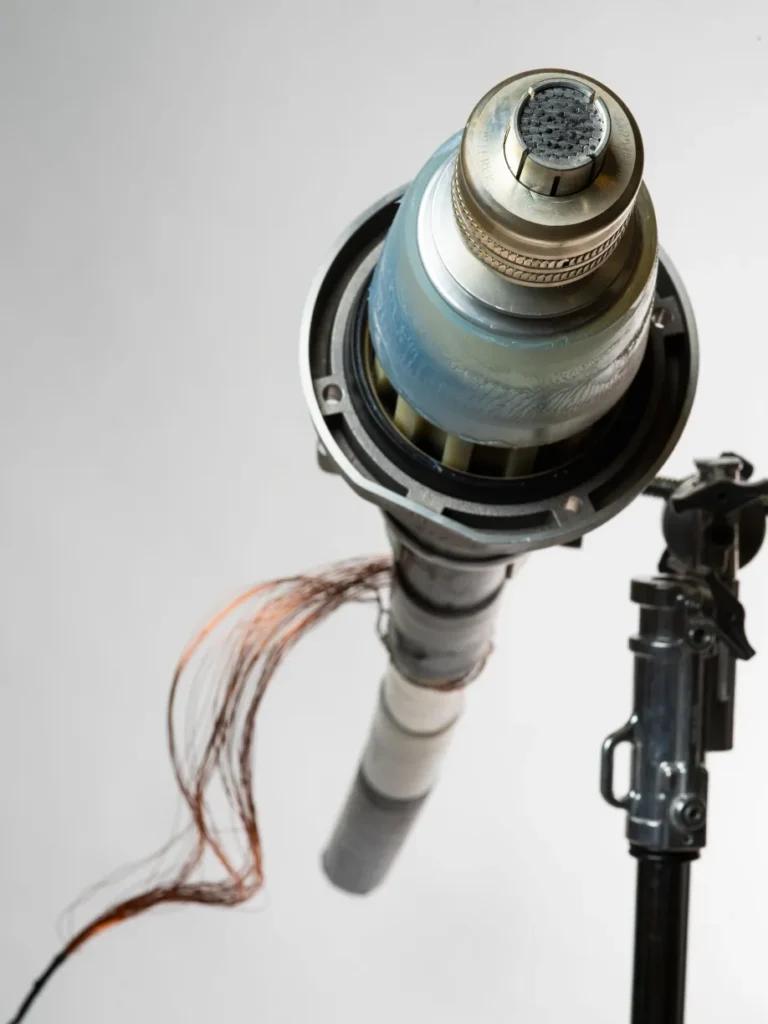
A cable termination is the fitting that ends a power cable and connects it to equipment such as switchgear, a transformer or an overhead line. On medium- and high-voltage cables it does more than make the electrical connection. It controls the electric field where the cable’s screen ends, insulates the bare cable end and seals it against moisture and dirt. Without it, the electrical stress at the end of the screen would quickly break down the insulation.
What a termination does
- Connects the conductor: a crimped or bolted cable lug connects the conductor to the equipment.
- Controls electrical stress: a stress cone or stress control tube spreads the electric field where the insulation screen is cut back.
- Insulates: a porcelain, polymer or rubber insulator, often with sheds, gives a long enough creepage distance for the voltage and environment.
- Seals: keeps water and contamination out of the cable for its whole service life.
- Earths the screen: connects the cable’s metallic screen to the earthing system.
Types of HV terminations
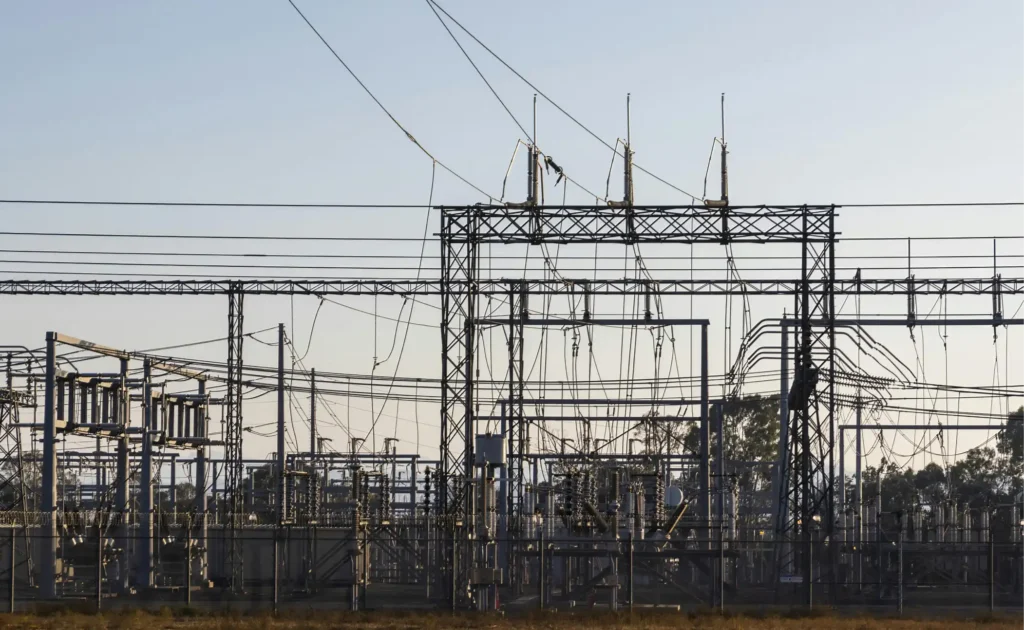
- Outdoor terminations: with sheds and a porcelain or composite insulator, for overhead lines and outdoor substations. At the highest voltages they often carry a corona ring.
- Indoor terminations: for air-insulated switchgear and equipment inside buildings.
- Plug-in (separable) terminations: screened connectors that plug into bushings on switchgear and transformers. They are common in wind turbines and compact substations.
- GIS and transformer terminations: sealing ends that connect a cable directly into gas-insulated switchgear or an oil-filled transformer.
Terminations are also grouped by how they are fitted: heat-shrink, cold-shrink or pre-moulded (slip-on).
How a termination is made
A termination is built by hand on the cable end. The jointer cuts the cable to length and removes the outer sheath and metallic screen. They then cut back the semiconducting insulation screen to exactly the right length and with a clean, smooth edge. The insulation surface is cleaned and, where needed, smoothed. Then the stress control, insulator and cable lug are fitted, and the end is sealed and the screen earthed. Small preparation errors, such as a scratch in the insulation, a ragged screen cut or trapped moisture, are a common cause of termination failures. That is why HV jointers need specialist training and certification.
Testing after termination
Once fitted, terminations are tested as part of the cable system. Typical tests are insulation resistance testing, VLF withstand testing, tan delta and partial discharge measurements. Together they show that the insulation is intact and the termination was made correctly before the cable is energised. Reynard’s mobile high-voltage testing brings this equipment to site.
Cable terminations at Reynard
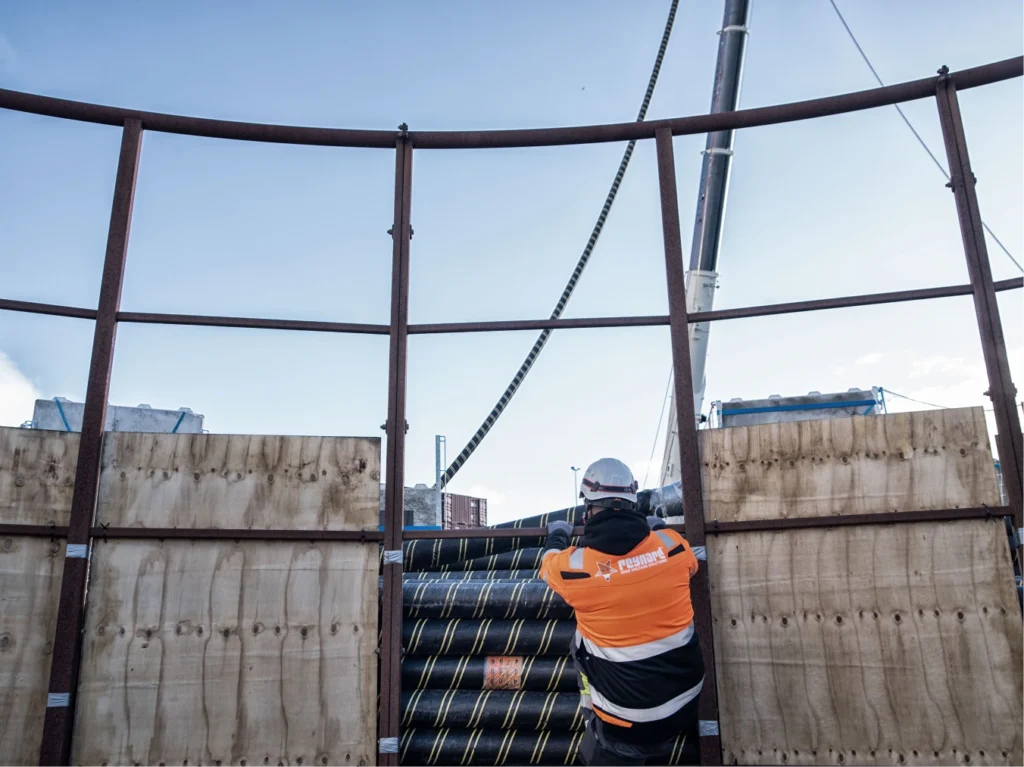
Reynard has terminated more than 10,000 cables, at voltages up to 400 kV. Its teams fit terminations on site for onshore grid connections and offshore wind farms. They can also deliver Ready-Terminated & Tested HV cables, terminated and tested in the Nieuw-Vennep workshop before they go to site. Reynard Academy trains jointers in its HV Jointer Training. Need cables terminated? Contact Reynard.