

What is onshore wind energy?
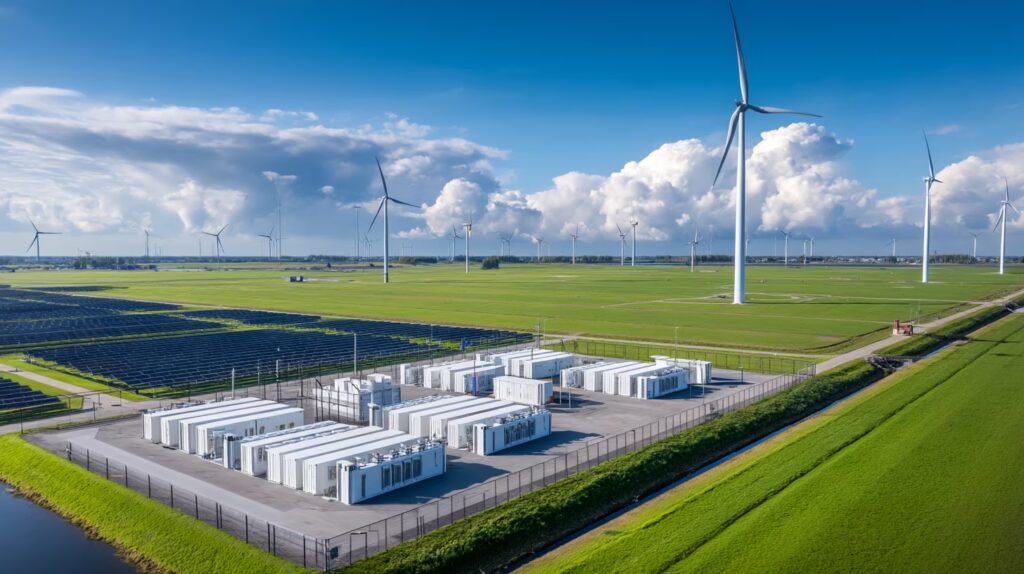
Onshore wind energy is electricity generated by wind turbines on land. Each turbine’s rotor drives a generator that turns the wind’s movement into electricity. A wind farm groups turbines together and connects them to the grid. Onshore wind is one of the cheapest sources of new electricity in Europe. Turbines on land are quicker to build and easier to reach for maintenance than offshore turbines, but they catch less steady wind and face more limits on space and permits.
How an onshore wind farm is connected
- Turbine: a transformer in or next to each turbine raises the generator voltage to medium voltage.
- Collection grid: medium-voltage cables, often 20 to 36 kV, link the turbines in strings to a central substation.
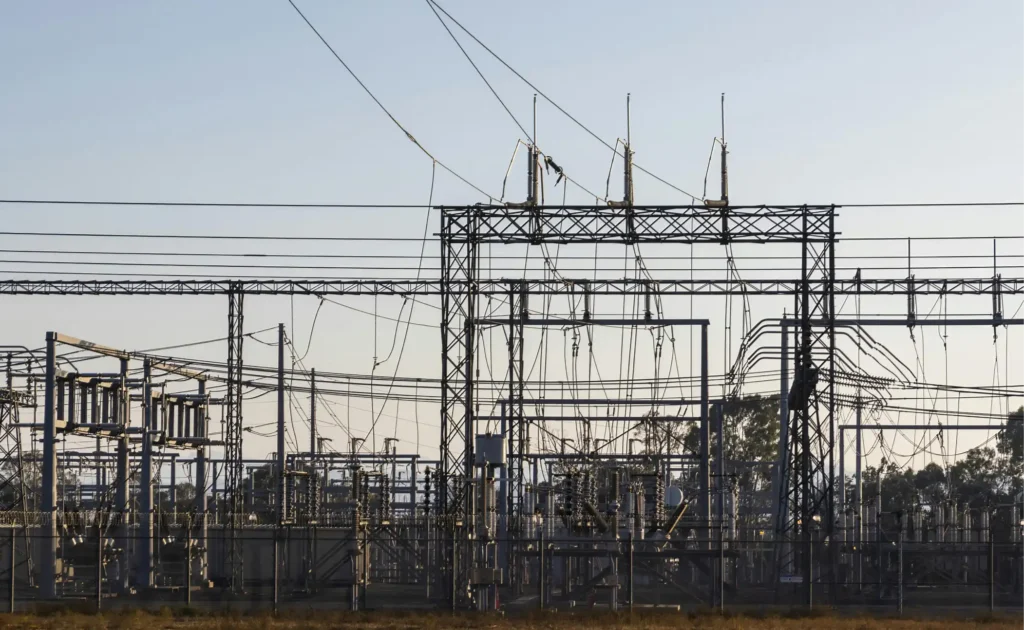
- Substation: transformers raise the voltage to the grid level, with switchgear and protection.
- Grid connection: the link to the grid operator’s network.
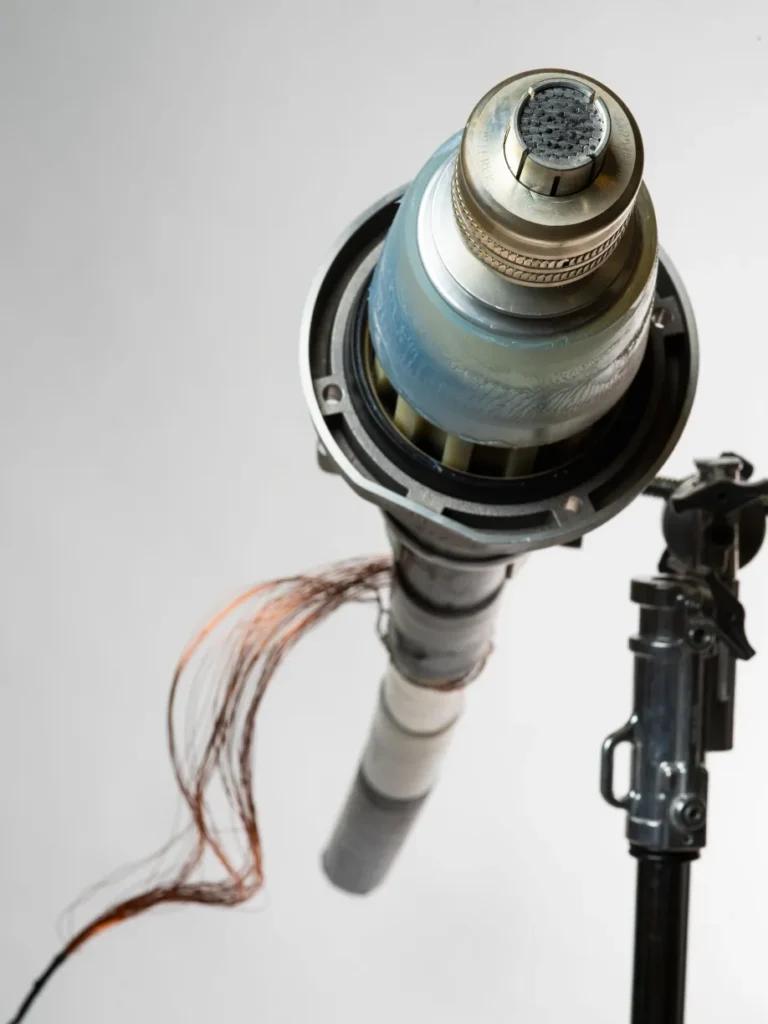
Every cable in that chain has joints along its route and terminations at the turbines and substation. In the turbines these are often plug-in terminations.
Onshore wind in the Netherlands
The Netherlands has several gigawatts of onshore wind capacity, with large wind farms in Flevoland, Groningen and Zeeland, among others. New projects are encouraged to offer local participation, and grid congestion can delay the connection of new wind farms.
Onshore wind at Reynard
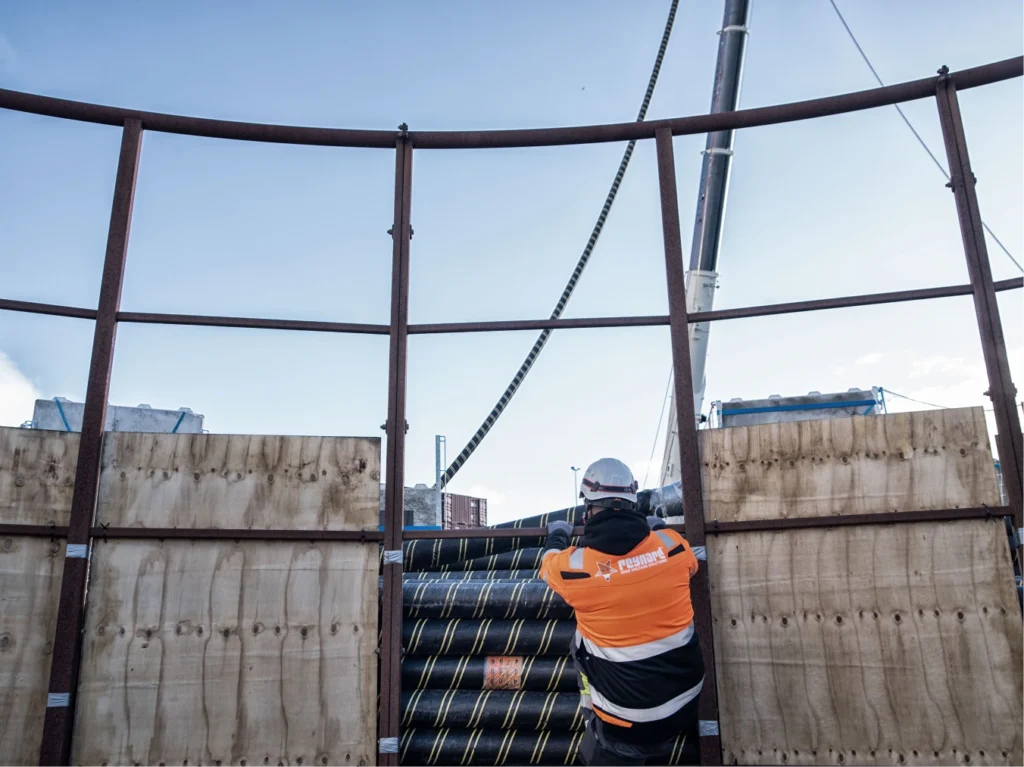
Reynard joints, terminates and tests the medium- and high-voltage cables of onshore wind farms, from the turbine strings to the substation and the grid connection. See onshore high-voltage connections and consultancy, maintenance and repairs. For wind at sea, see offshore termination and testing. Building or maintaining a wind farm? Contact Reynard.