

What is a wind farm?
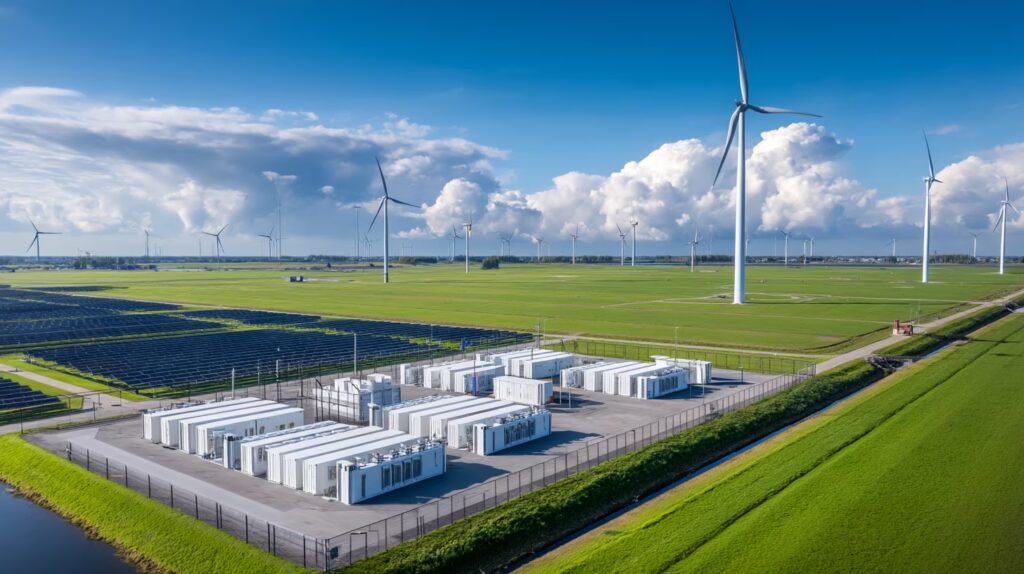
A wind farm, also called a wind park, is a group of wind turbines in one location that generates electricity as a single power plant and is connected to the grid through one or more substations. Onshore wind farms range from a few turbines to dozens. Offshore wind farms can have more than a hundred turbines and a capacity of over a gigawatt.
How a wind farm is connected
The electricity passes through several steps from turbine to grid:
- Each wind turbine generates power, and a transformer in the turbine steps it up to the collection voltage.
- Inter-array cables connect the turbines in strings to the substation. Offshore, 66 kV is now the usual array voltage; older wind farms use 33 kV. See cable array.
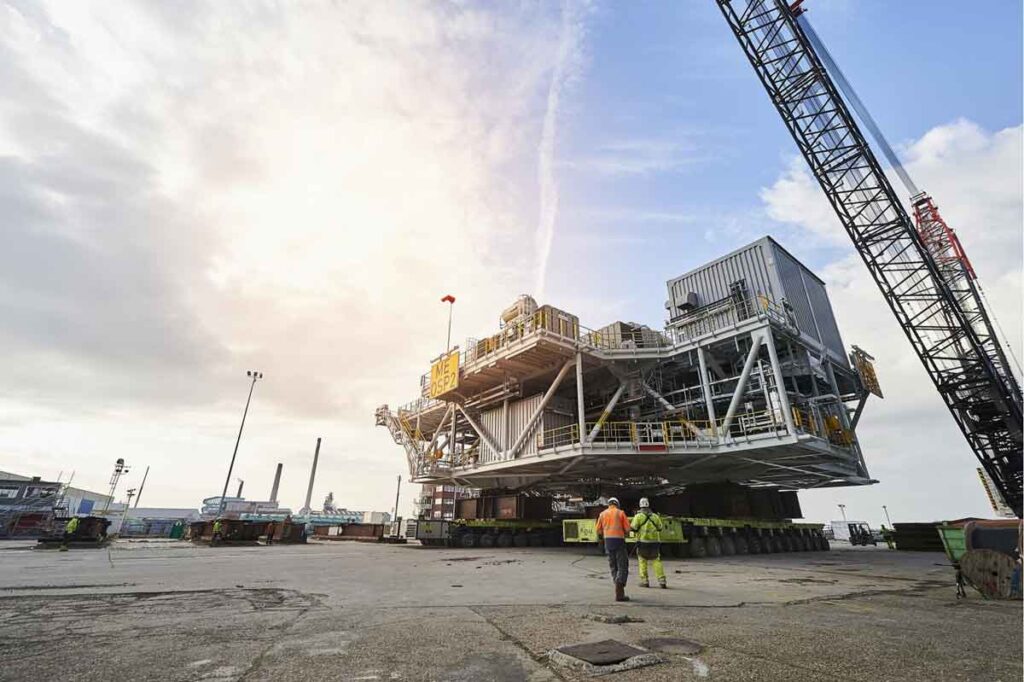
- The substation steps the voltage up for transport. Offshore wind farms have an offshore substation on a platform. See substation.
- Export cables carry the power to shore and on to the grid, as high-voltage AC or, for large wind farms far from shore, as HVDC.
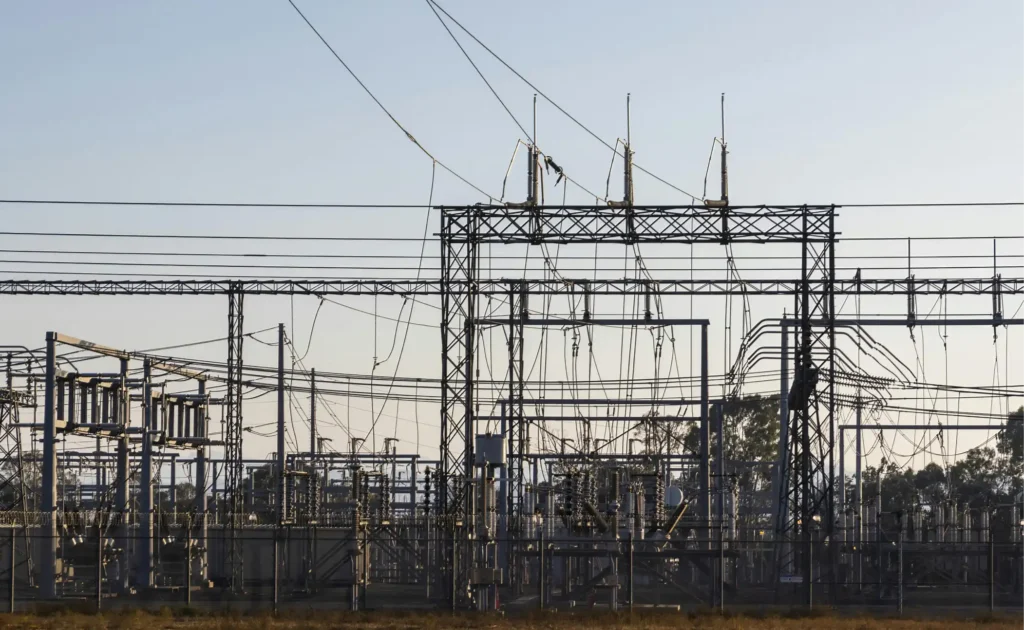
- An onshore substation connects the wind farm to the transmission grid. See grid connection.
Onshore and offshore wind farms
Onshore wind farms are quicker and cheaper to build and connect, but space and permits limit how many turbines can be placed. Offshore wind farms have stronger and steadier wind and room for larger turbines, but need foundations at sea, long subsea cables and installation vessels. See onshore wind energy.
Cable work on a wind farm
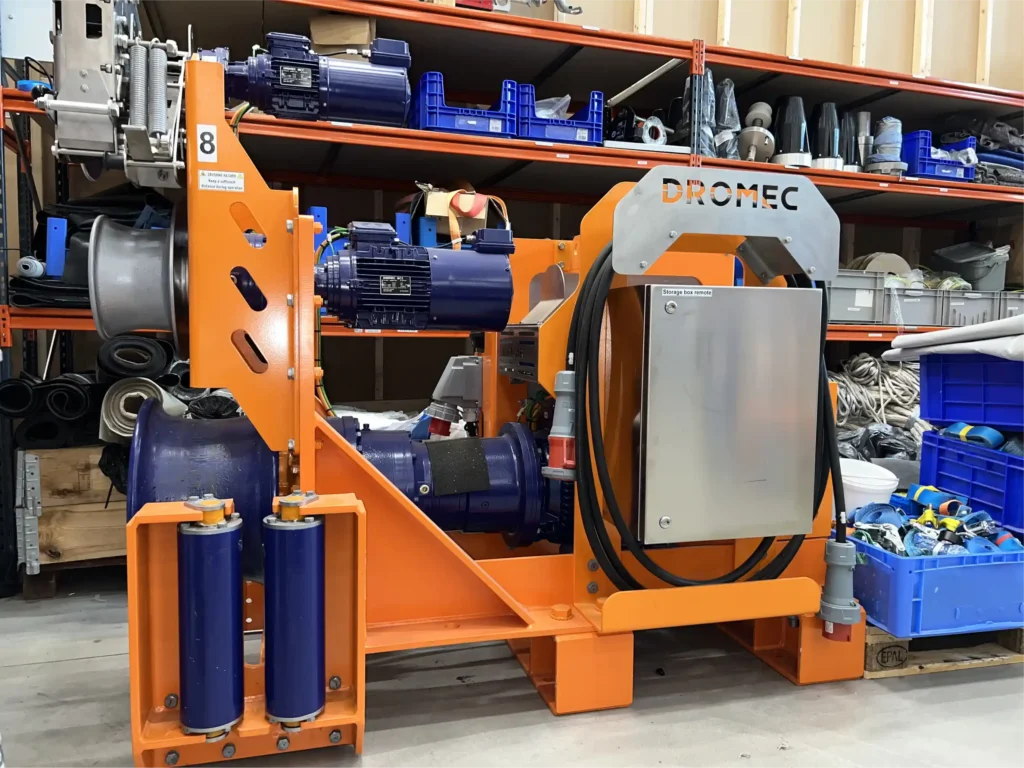
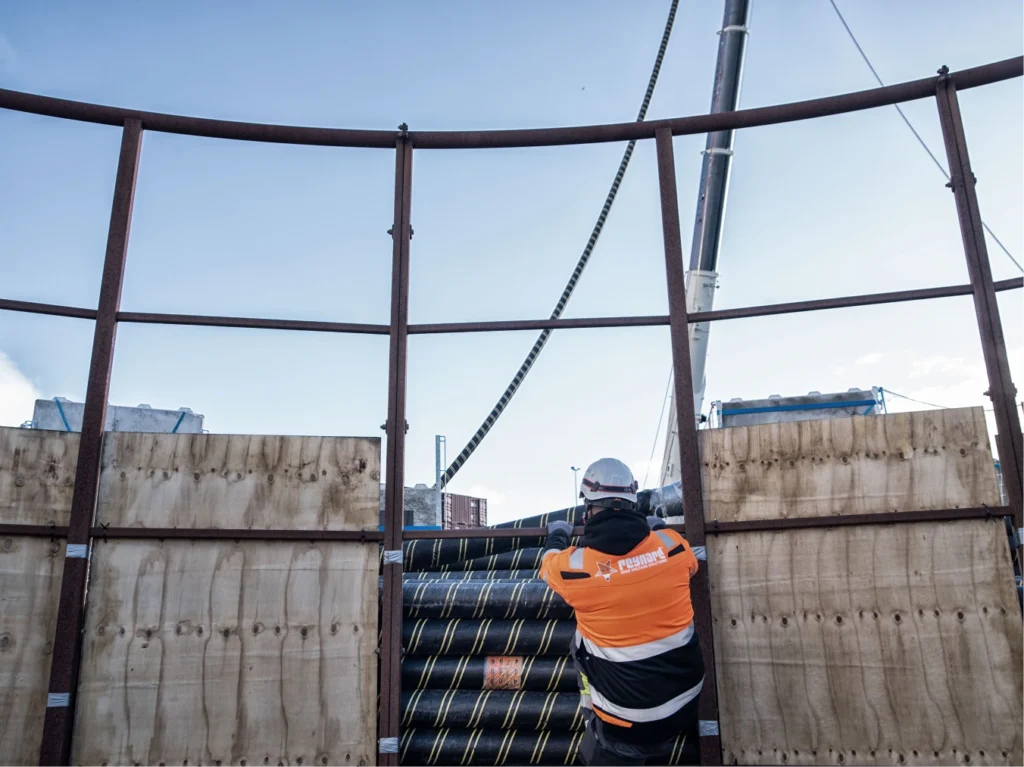
Every inter-array and export cable has to be pulled into the turbines and the substation, terminated, and tested before the wind farm can be energised. Offshore, this is done from vessels and platforms with pull-in winches, in tight weather windows. Reynard does this cable pull-in, termination and testing work offshore, and the high-voltage connections of onshore wind farms. See offshore termination and testing and onshore high-voltage connections.