
Introduction
As global awareness of environmental sustainability continues to grow, the Environmental Impact Assessment (EIA) has emerged as a crucial tool in the decision-making process for development projects. The EIA ensures that potential environmental consequences are considered before any project is approved, aligning with the goals of sustainable development. This article from Reynard.nl delves into the intricacies of the EIA, exploring its processes, benefits, and the key role it plays in modern environmental management.
Read more about Environmental Impact Assessment (EIA). Click here.
Understanding Environmental Impact Assessment (EIA)
An Environmental Impact Assessment (EIA) is a structured process used to evaluate the potential environmental effects of a proposed development project. The primary goal is to ensure that decision-makers consider environmental impacts alongside economic and social factors before giving the green light to a project.
The EIA process is systematic and includes various stages such as screening, scoping, impact analysis, mitigation, and monitoring. It’s a vital component of environmental governance, providing a mechanism to prevent or minimize adverse effects on the environment.
The EIA Process: Key Stages
The EIA process typically involves several key stages:
- Screening: This initial step determines whether a project requires a full EIA based on factors such as size, nature, and potential impact.
- Scoping: During scoping, the main environmental issues that need to be addressed are identified. This stage involves consultations with stakeholders to ensure that all relevant concerns are considered.
- Impact Analysis: Here, the potential environmental impacts of the project are thoroughly examined. This includes assessing both direct and indirect effects on the environment, such as pollution, habitat destruction, and changes to the local ecosystem.
- Mitigation: After identifying potential impacts, the next step is to propose measures to avoid, reduce, or offset adverse effects. Mitigation strategies are essential for ensuring that the project can proceed with minimal environmental harm.
- Monitoring and Compliance: Post-approval, the project must be monitored to ensure that the mitigation measures are effectively implemented. Regular monitoring ensures ongoing compliance with environmental standards.
Understanding these stages is crucial for anyone involved in project planning and environmental management, as they ensure that environmental considerations are integrated into the decision-making process.
Benefits of Environmental Impact Assessment
The EIA process offers numerous benefits, including:
- Environmental Protection: By identifying and mitigating potential environmental impacts, the EIA helps protect ecosystems and biodiversity.
- Informed Decision-Making: EIA provides decision-makers with a comprehensive understanding of the environmental consequences of a project, leading to more informed and responsible choices.
- Public Participation: The EIA process often involves consultations with local communities and stakeholders, ensuring that their concerns are heard and addressed.
- Legal Compliance: In many countries, conducting an EIA is a legal requirement for certain types of projects, ensuring that developers comply with environmental regulations.
These benefits underscore the importance of EIA in promoting sustainable development and environmental stewardship.
Challenges in Conducting an EIA
Despite its many advantages, the EIA process can face several challenges:
Complexity: Conducting a thorough EIA can be complex and time-consuming, particularly for large or technically challenging projects.
Cost: The costs associated with EIA can be significant, particularly for small-scale developers who may lack the necessary resources.
Stakeholder Engagement: Ensuring meaningful participation from all relevant stakeholders can be difficult, especially in regions with limited public awareness or where there are conflicting interests.
Data Availability: Accurate and comprehensive data are crucial for a reliable EIA, but in some cases, such data may be lacking or difficult to obtain.
Addressing these challenges requires a combination of technical expertise, effective communication, and a commitment to transparency.
EIA in Various Sectors
The application of EIA spans across various sectors, each with its unique considerations:
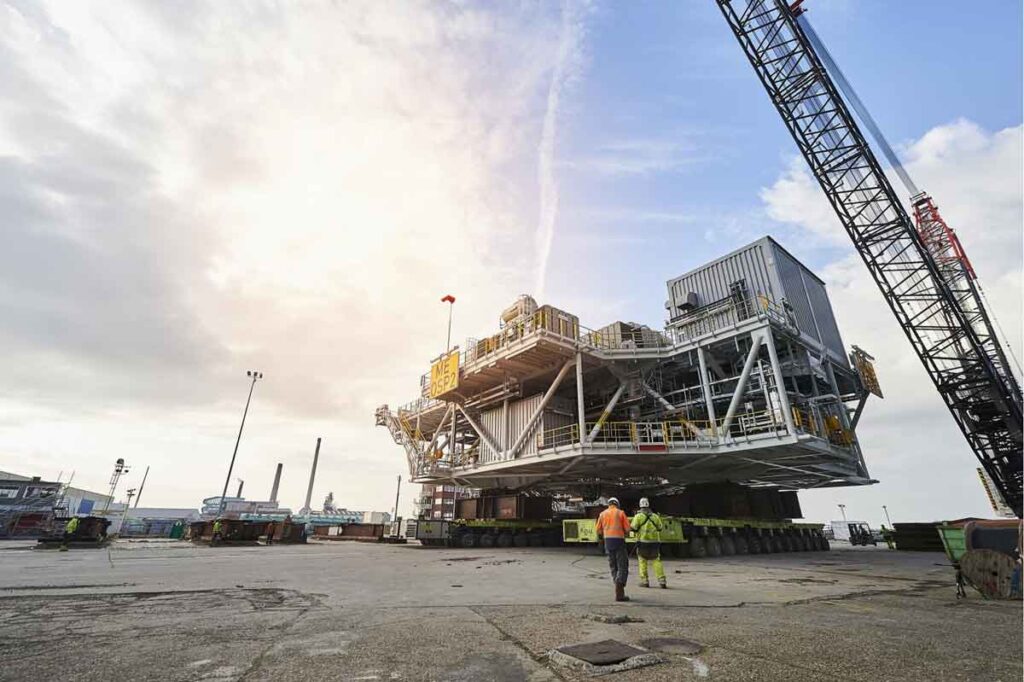
Infrastructure Development: Large-scale infrastructure projects such as highways, dams, and airports can have significant environmental impacts, making EIA a crucial part of the planning process.
Industrial Projects: Factories, refineries, and other industrial developments must undergo EIA to assess potential pollution and other environmental risks.
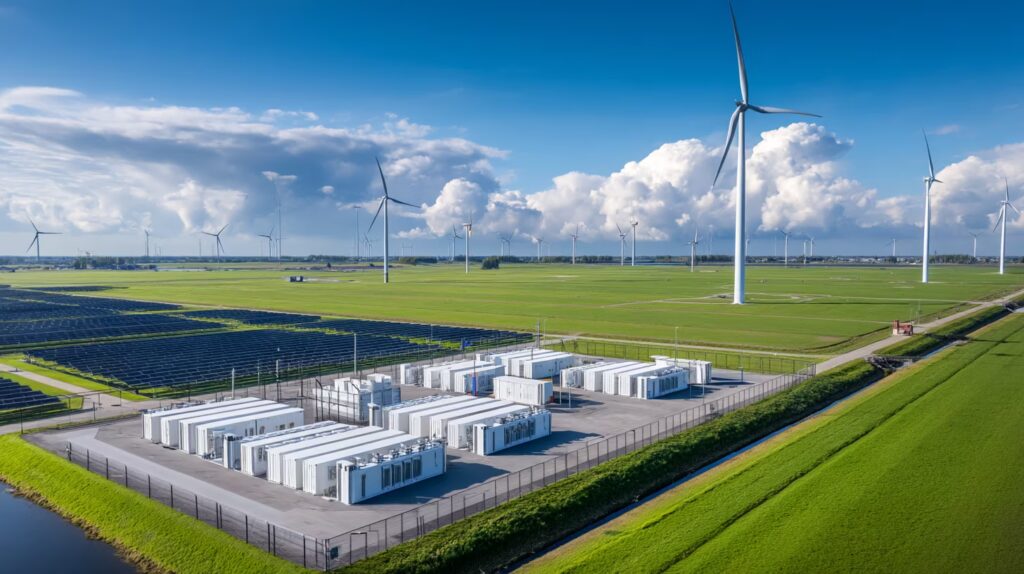
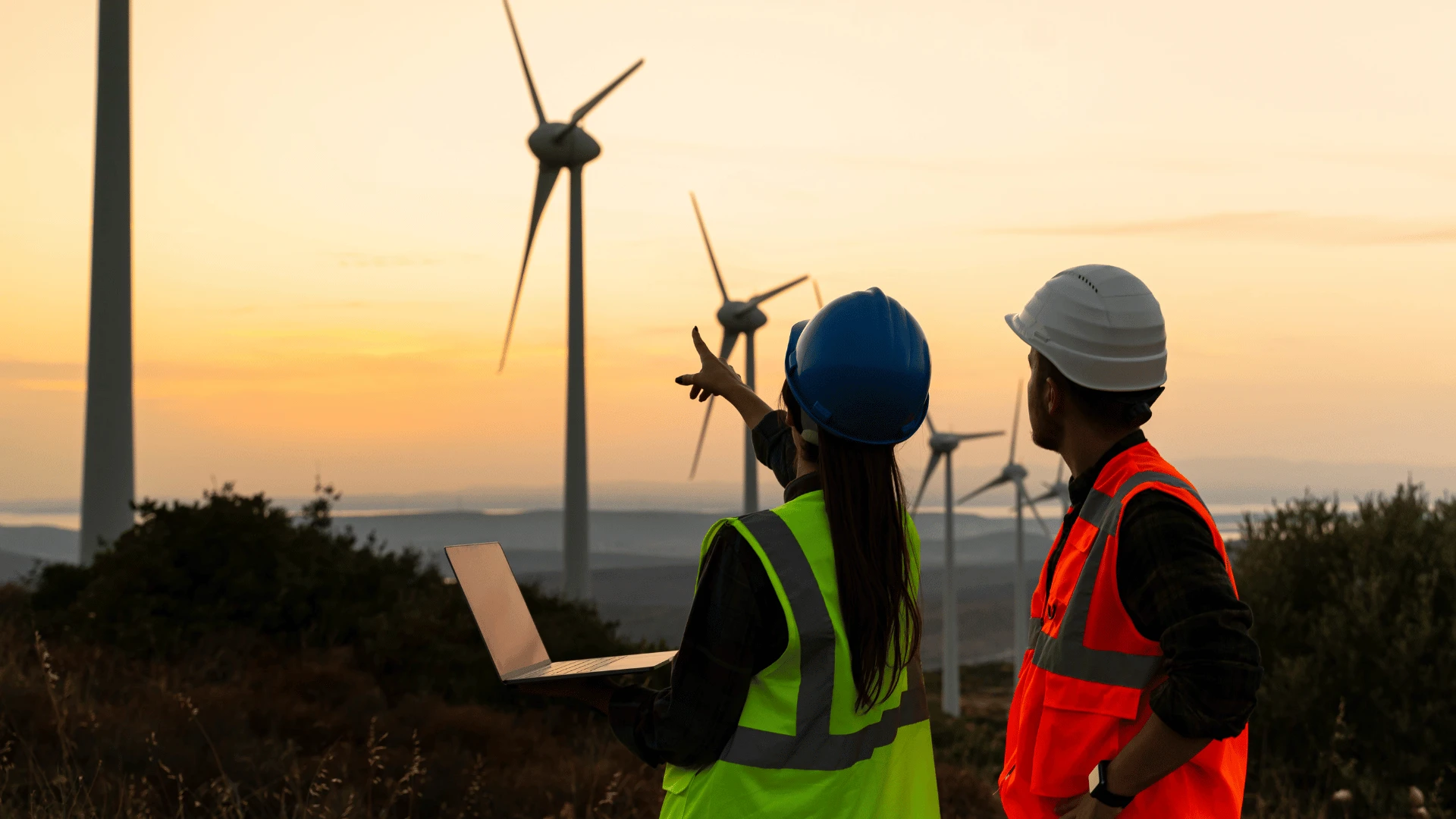
Renewable Energy: While renewable energy projects are generally environmentally friendly, they can still have impacts, such as land use changes and effects on wildlife, that need to be assessed through EIA.
For more sector-specific examples and insights, explore our Glossary and News pages, which provide additional context on how EIAs are applied in different industries.
EIA and Legal Frameworks
The EIA process is governed by a range of international, national, and local laws and regulations. These frameworks vary by region but generally require that certain types of projects undergo an EIA before they can proceed.
Internationally, the United Nations Environment Programme (UNEP) and the World Bank have developed guidelines that set standards for EIAs. In the European Union, the EIA Directive provides a legal framework that all member states must follow.
Understanding these legal requirements is essential for developers and environmental professionals to ensure compliance and avoid legal challenges.
Public Participation in EIA
Public participation is a key component of the EIA process. It ensures that the views and concerns of local communities and other stakeholders are considered in the decision-making process.
Effective public participation can lead to better project outcomes by identifying potential issues early on and building trust between developers and the community. However, it requires careful planning and execution to be truly effective.
At Reynard.nl, we emphasize the importance of stakeholder engagement and offer resources on how to effectively incorporate public input into the EIA process through our Academy Experience.
Future Trends in Environmental Impact Assessment
The field of EIA is continuously evolving, with several trends shaping its future:
Integration with Technology: Advances in technology, such as Geographic Information Systems (GIS) and remote sensing, are improving the accuracy and efficiency of EIAs.
Climate Change Considerations: As climate change becomes a more pressing concern, EIAs are increasingly incorporating assessments of how projects may contribute to or be affected by climate change.
Cumulative Impact Assessment: There is a growing recognition of the need to assess the cumulative impacts of multiple projects in a region, rather than evaluating them in isolation.
Sustainability and Circular Economy: Modern EIAs are increasingly aligned with principles of sustainability and the circular economy, ensuring that projects contribute to long-term environmental goals.
These trends highlight the importance of staying informed about the latest developments in EIA to ensure that assessments remain relevant and effective.
FAQs
What is an Environmental Impact Assessment (EIA)?
An EIA is a process used to evaluate the potential environmental effects of a proposed development project before it is approved.
Why is an EIA important?
EIA ensures that environmental considerations are included in the decision-making process, helping to protect ecosystems and promote sustainable development.
What are the key stages of an EIA?
The key stages include screening, scoping, impact analysis, mitigation, and monitoring.
Who is responsible for conducting an EIA?
Typically, the project developer is responsible for conducting the EIA, often with the help of environmental consultants.
Is public participation required in the EIA process?
Yes, public participation is a crucial component of the EIA process, ensuring that the views of stakeholders are considered.
What challenges are associated with conducting an EIA?
Challenges include complexity, cost, stakeholder engagement, and data availability.
Conclusion
The Environmental Impact Assessment (EIA) is a vital tool for ensuring that development projects are sustainable and environmentally responsible. By systematically evaluating potential impacts and involving stakeholders in the process, EIAs help protect our natural environment and promote better decision-making.
For more information on environmental compliance and project management, visit our My Certifications and Recent Projects pages.