
A substation is a critical part of any electrical power system, serving as the link between electricity generation, transmission, and distribution. Substations transform voltage levels, control power flow, and protect equipment in both onshore and offshore high voltage networks. Without substations, the reliable and efficient delivery of electricity to homes, industries, and offshore facilities would not be possible.
What is a Substation?
At its core, a substation is an installation that houses transformers, switchgear, and other control equipment. These facilities step up or step down voltage levels depending on where the electricity is headed:
- Step-up substations increase voltage for long-distance transmission.
- Step-down substations reduce voltage for safe distribution to end-users.
Substations also ensure system stability by controlling the flow of power and protecting against faults through circuit breakers and protection systems.
For technical definitions of related energy terms, explore our Glossary.
Onshore Substations
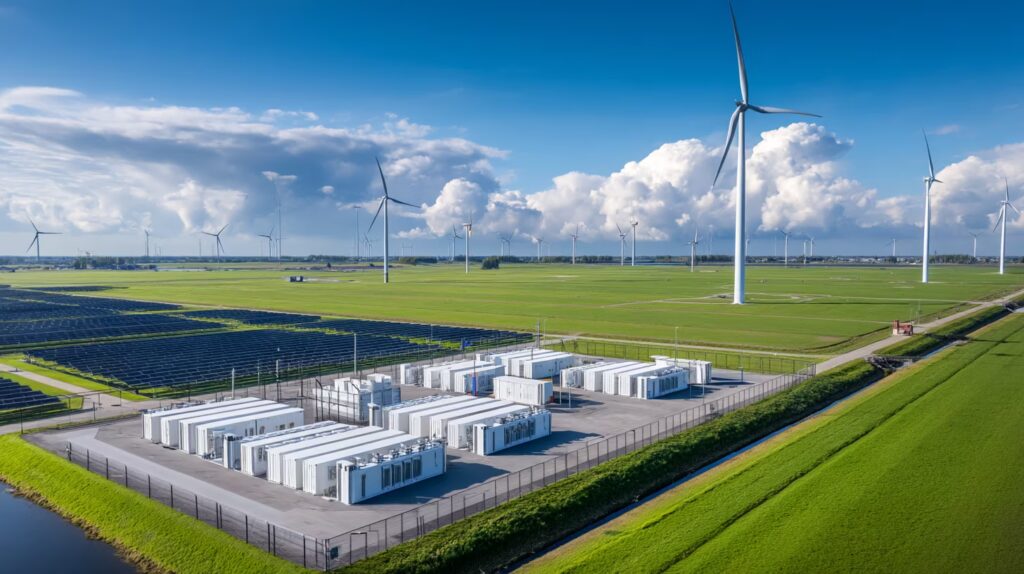
Onshore substations are located on land and are usually larger in scale. They are critical in connecting large-scale wind farms, solar parks, and traditional power plants to the main grid.
Functions of onshore substations include:
- Stepping up voltage from renewable energy sources like wind and solar farms.
- Distributing electricity into regional and local grids.
- Monitoring grid performance and stability.
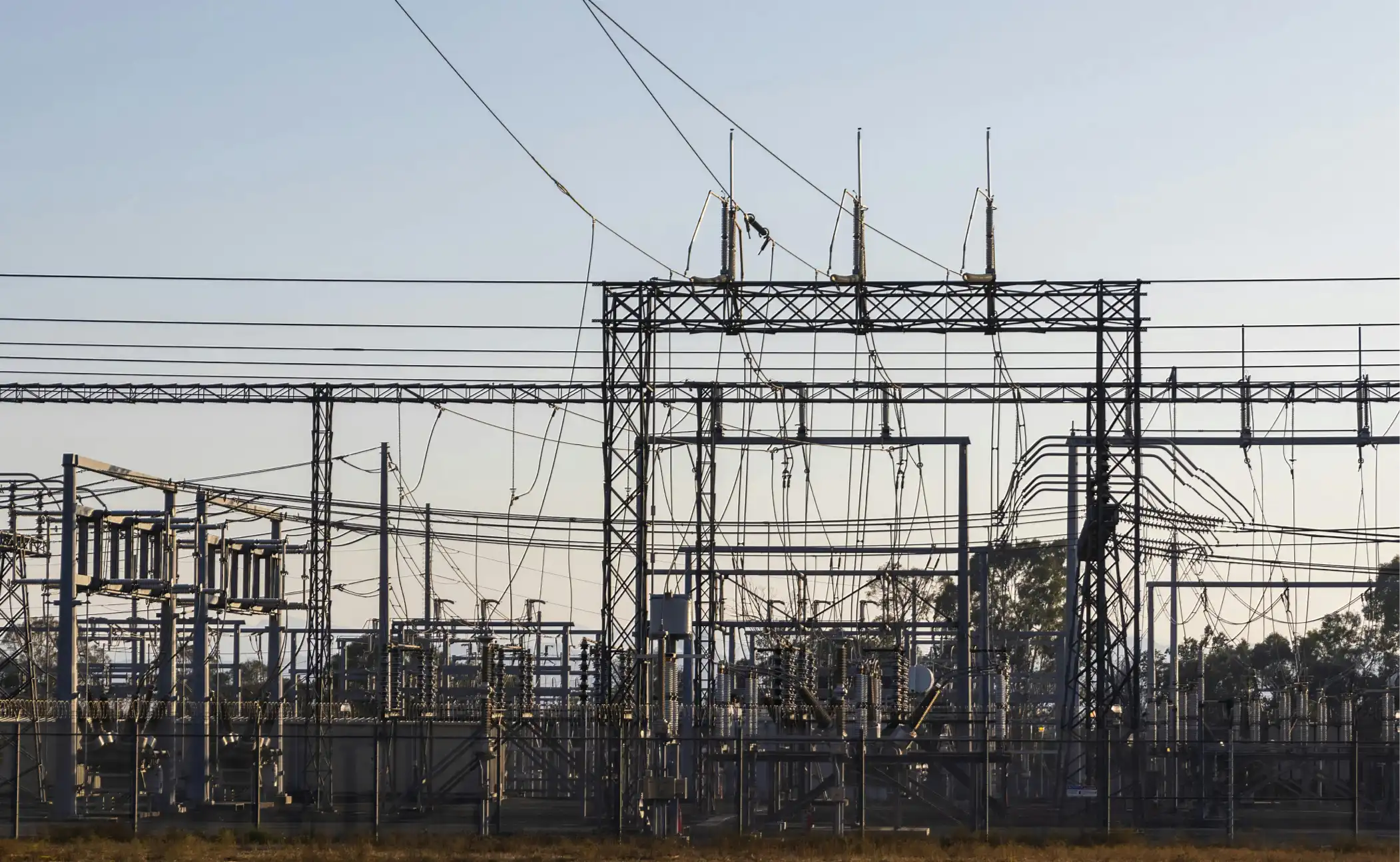
They are commonly seen in rural or industrial areas, surrounded by protective fencing and high-voltage equipment.
For a closer look at real-world applications, visit our Recent Projects.
Interested in our onshore services? Check out this page.
Offshore Substations
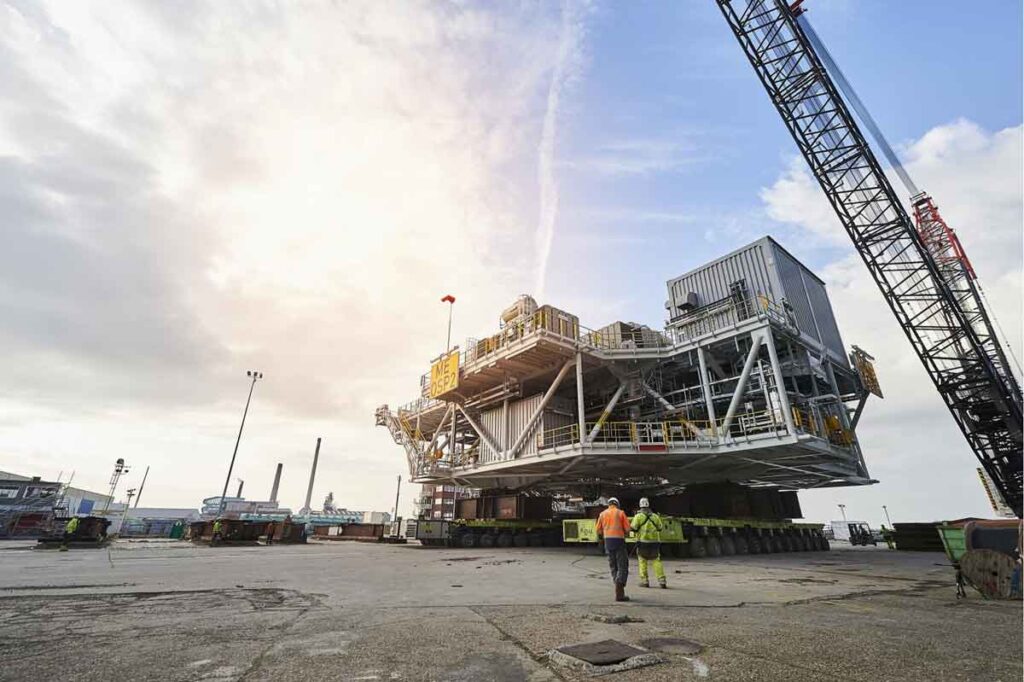
In the world of offshore wind energy, offshore substations are indispensable. Built on platforms at sea, these substations collect power from multiple offshore turbines, increase the voltage, and transmit it via subsea cables back to shore.
Key roles of offshore substations include:
- Consolidating electricity from dozens of offshore wind turbines.
- Using high voltage alternating current (HVAC) or high voltage direct current (HVDC) systems to send power to land.
- Withstanding harsh marine conditions with robust structural design.
The rise of offshore wind farms across Europe and beyond has made offshore substations a vital component of the clean energy transition.
Interested in our offshore services? Check out this page
High Voltage Substations
A high voltage substation is designed to handle voltages above 100 kV, often necessary for long-distance transmission and large-scale power distribution. These substations include advanced insulation, gas-insulated switchgear (GIS), and automated systems to ensure safe operation at extreme voltages.
High voltage substations are especially important for:
- Large renewable energy projects like offshore wind farms.
- Cross-border interconnections between national grids.
- Supporting grid reliability during peak demand.
Why Are Substations Important?
The importance of substations lies in their role as the “nerve centers” of electricity networks. Without substations, electricity could not be transmitted efficiently or safely across distances. Substations make renewable energy projects possible by linking offshore turbines and onshore wind farms to the grid.
Some benefits include:
- Improved power quality.
- Enhanced safety through automated fault detection.
- Scalability for integrating renewable energy sources.
Substation in Offshore Wind Farms
In offshore wind farms, substations function as a hub. Power from each wind turbine is transmitted via array cables to the offshore substation. From there, it is transformed to high voltage and sent through export cables back to onshore substations.
This process ensures minimal energy loss over long distances, making large-scale offshore wind projects viable.
For industry insights and training in this field, explore our HV Jointer Course and Academy Experience.
Future of Substations
The future of substations is moving toward digitalization and smart grid integration. Digital substations, using advanced sensors and data analytics, will enhance efficiency, improve monitoring, and reduce downtime.
Additionally, with the growing importance of offshore renewable projects, floating offshore substations are being explored to expand wind farms into deeper waters.
Stay informed about these innovations by checking our News.