
What is energy storage?
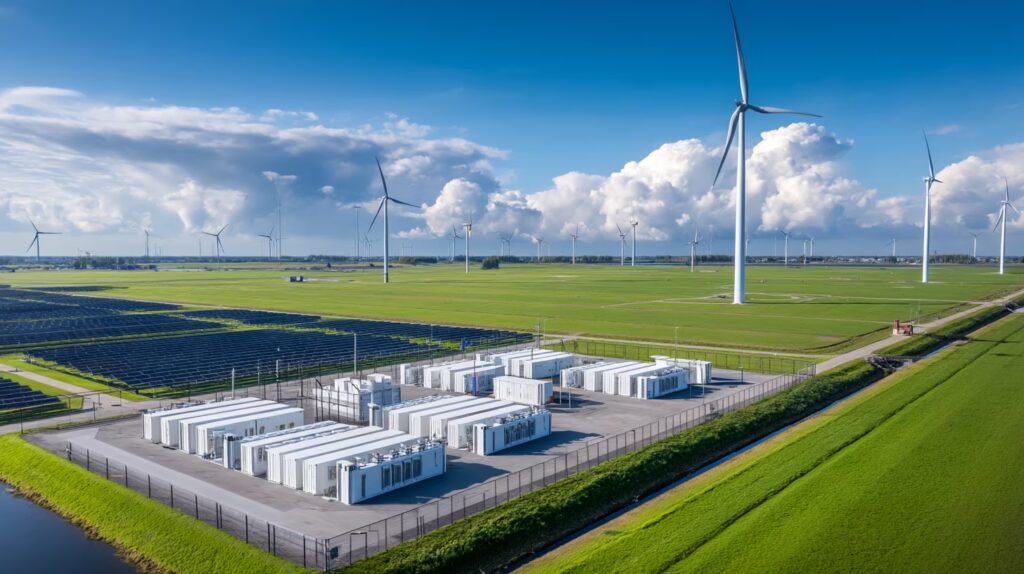
Energy storage captures energy when it is produced and releases it later, when it is needed. On the power grid it balances supply and demand: wind and solar power do not follow demand, and storage shifts their output from minutes to months. Storage systems are compared on their power (how fast they deliver energy, in MW), their energy capacity (how much they hold, in MWh), how long they can deliver at full power, and their round-trip efficiency (how much of the stored energy comes back out).
Types of energy storage
- Electrochemical: batteries. Lithium-ion battery systems react within milliseconds and return around 85–90% of the stored energy. They are the fastest-growing type of grid storage, mostly for one to four hours. See battery storage.
- Mechanical: pumped hydro. Water is pumped uphill and released through turbines. Pumped hydro still holds most of the world’s installed storage capacity, but needs suitable terrain.
- Mechanical: compressed air and flywheels. Compressed air stores energy in underground caverns for hours; flywheels store it in a spinning mass for seconds to minutes.
- Thermal storage. Heat or cold is stored in water, molten salt or other materials, for district heating, industry or concentrated solar power.
- Chemical: hydrogen. Electricity is converted into hydrogen by electrolysis and stored, and can be converted back or used directly. It is the main option for storage over weeks or seasons, but loses more than half of the energy on the round trip.
What energy storage is used for
- Balancing the grid: frequency control and reserve power, from seconds to minutes.
- Shifting energy: storing solar power for the evening, or cheap power for expensive hours.
- Grid congestion: absorbing local peaks so that the grid can take more generation or demand.
- Security of supply: backup power and, with hydrogen, storage for long periods without wind or sun.
Energy storage and the grid connection
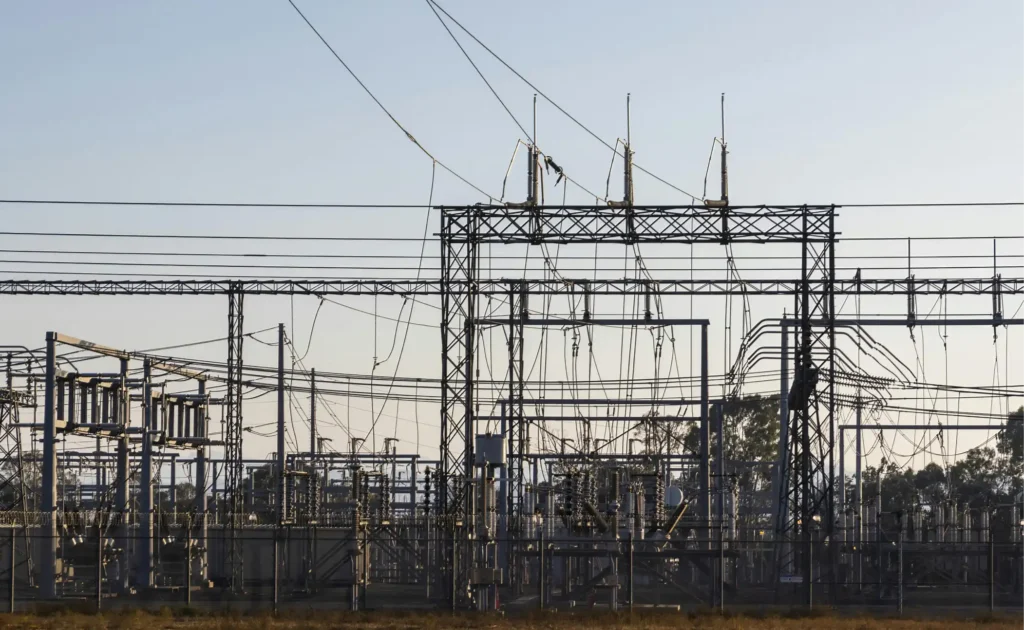
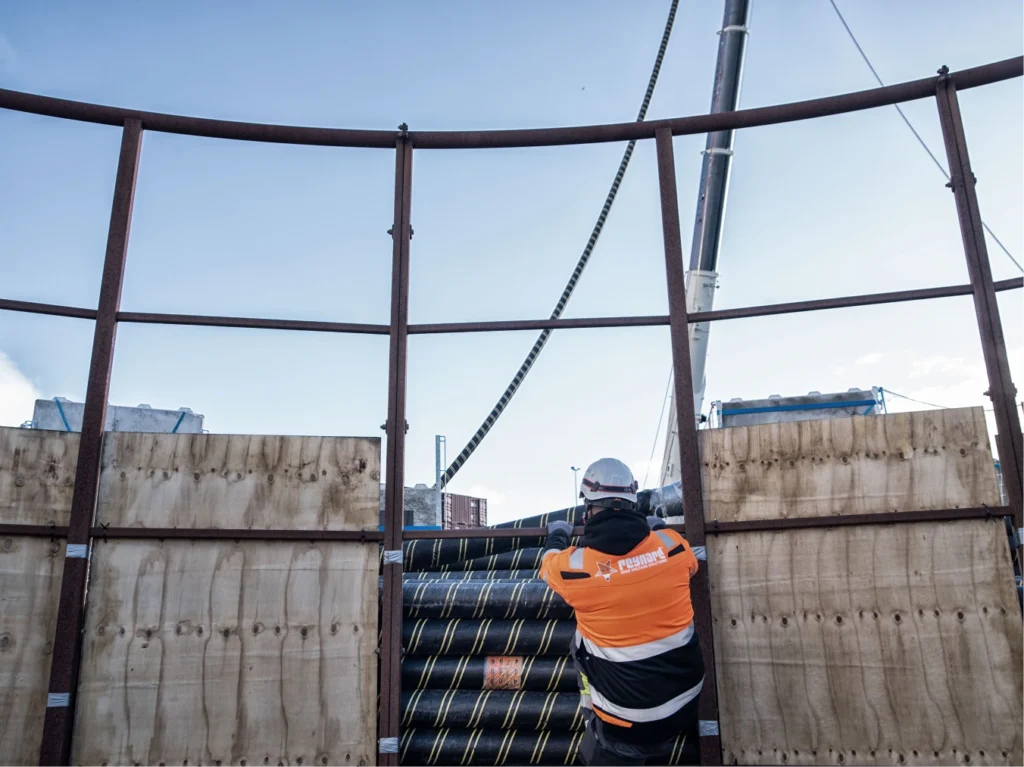
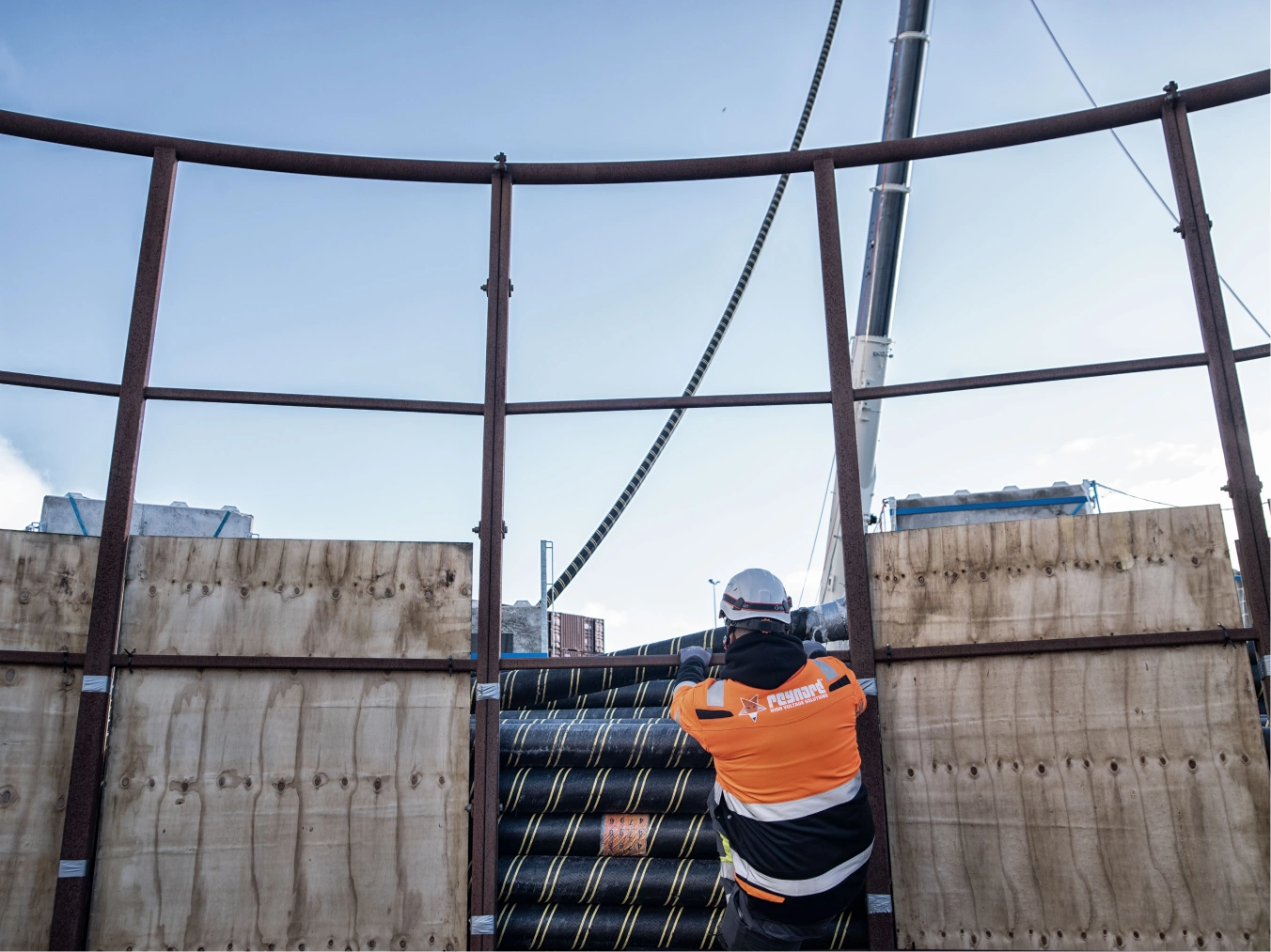
Every storage system on the grid needs a connection: cables, transformers, switchgear and protection, tested before energisation. Reynard makes high-voltage connections for battery energy storage systems. See onshore high-voltage connections and grid connection.