

Arc flash refers to a hazardous electrical phenomenon characterized by an explosive release of energy due to a fault or short circuit in an electrical system. This sudden discharge creates an intense burst of radiant energy and heat, accompanied by a bright flash, intense light, and loud noise. Arc flash incidents pose serious risks to personnel, equipment, and surrounding infrastructure, making safety measures imperative for prevention.
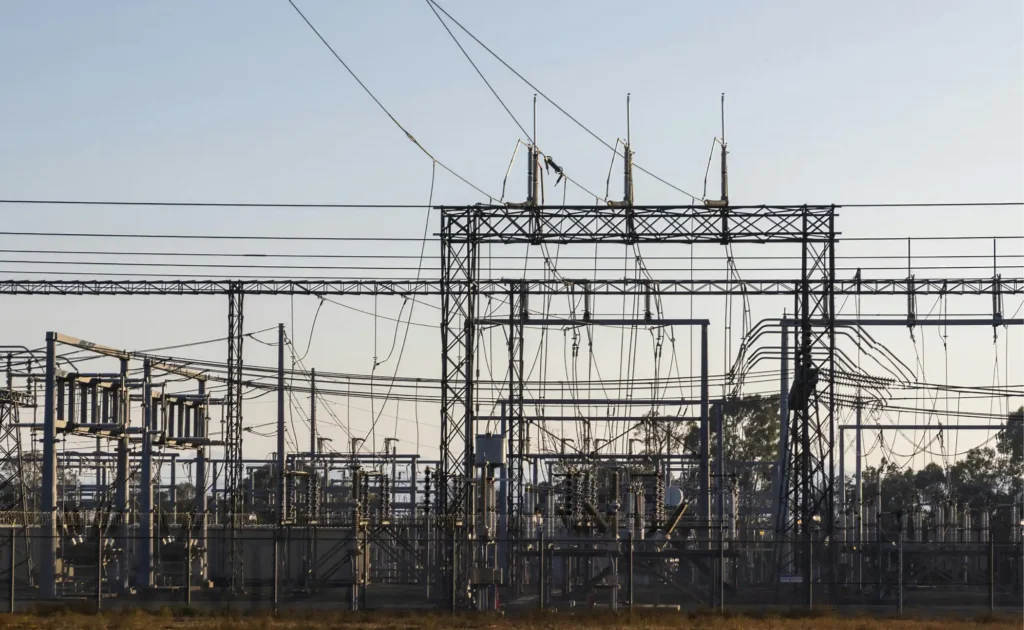
The occurrence of arc flash is often associated with high voltage systems, typically found in industrial settings, power plants, and large-scale facilities. When a fault occurs in the electrical system, such as equipment malfunction, accidental contact, or insulation breakdown, it can lead to the formation of an electric arc. This arc creates a path of ionized air, resulting in an explosive release of thermal energy capable of causing severe burns, injuries, and damage to equipment.
Preventing arc flash incidents requires a comprehensive approach to electrical safety, encompassing various measures such as:
- Risk Assessment: Conducting thorough assessments to identify potential arc flash hazards and evaluate the safety risks associated with electrical systems.
- Engineering Controls: Implementing engineering solutions such as circuit protection devices, insulation barriers, and equipment maintenance practices to mitigate the risk of arc flash.
- Personal Protective Equipment (PPE): Providing appropriate PPE, including flame-resistant clothing, face shields, and insulating gloves, to personnel working in environments where arc flash hazards exist.
- Training and Education: Offering comprehensive training programs to personnel on recognizing arc flash hazards, safe work practices, and emergency response procedures.
- Lockout/Tagout Procedures: Implementing strict lockout/tagout protocols to de-energize and isolate electrical equipment during maintenance, repair, and inspection activities.
By prioritizing safety measures and promoting awareness of arc flash hazards, organizations can minimize the risk of incidents, protect personnel from harm, and safeguard critical infrastructure from damage. Proactive measures aimed at preventing arc flash incidents contribute to creating a safer work environment and ensuring the reliability and integrity of electrical systems.