

Introduction
In the world of electrical installations, ensuring safety is paramount. One critical aspect of this is the Earthing System—a foundational element that protects both equipment and people from electrical faults. This guide, crafted by Reynard.nl, delves deep into the intricacies of earthing systems, offering insights into their types, components, and essential role in maintaining electrical safety.
Understanding the Earthing System
An Earthing System is a network of connections that establish a direct electrical path to the earth, allowing any excess electrical charge to dissipate safely. This system is crucial in preventing electrical shocks and ensuring that electrical circuits operate efficiently and safely.
Earthing is not just about connecting wires to the ground; it’s about creating a robust safety net that handles any unexpected electrical fault, protecting lives and property in the process.
Types of Earthing Systems
Various earthing techniques are used across the globe, each with its advantages and specific applications. Common types include:
- TN System (Terra Neutral): This system directly connects the neutral point of the power supply to the ground, ensuring safety in most electrical installations.
- TT System (Terra Terra): Used in areas with high risk of electrical faults, this system relies on a direct connection between the earth and electrical equipment.
- IT System (Isolated Terra): Often used in environments where electrical continuity is critical, such as hospitals, this system isolates the power supply from the earth.
Understanding these systems is crucial for selecting the right approach for specific environments.
Components of an Earthing System
A well-designed earthing system includes several key components:
- Earthing Rods: These are conductive materials, often made of copper or galvanized steel, buried deep in the earth to provide a path for electrical currents.
- Earthing Wires: Connecting various parts of the electrical system to the earthing rods, these wires must be highly conductive and corrosion-resistant.
- Ground Plates: Used in rocky or non-conductive soil conditions, ground plates provide a broader surface area to achieve effective earthing.
Each component plays a vital role in ensuring the system’s effectiveness, and they must be carefully selected and installed.
The Role of Grounding in Safety
Grounding is a fundamental aspect of any electrical system, ensuring that any excess current is safely directed away from sensitive equipment and human contact. This not only prevents electrical shock but also minimizes the risk of fire and equipment damage.
A properly grounded system stabilizes the voltage levels within electrical circuits, contributing to the overall reliability and safety of the power supply.
How Earthing Systems Work
The working principle of an earthing system revolves around the concept of creating a low-resistance path for electrical current. When a fault occurs, such as a short circuit, the earthing system ensures that the excess current is diverted to the ground, rather than passing through people or equipment.
This process effectively neutralizes any dangerous electrical potential, making it an indispensable part of any safe electrical installation.
Advantages of Proper Earthing
Investing in a well-designed earthing system offers numerous benefits:
- Safety: Protects against electrical shocks and reduces the risk of fire.
- Equipment Protection: Prevents damage to sensitive electrical devices by stabilizing voltage levels.
- Regulatory Compliance: Meets legal and safety standards required for electrical installations.
Proper earthing is not just a regulatory requirement but a critical safety measure that ensures long-term reliability.
Common Issues in Earthing
Despite its importance, earthing systems can encounter several challenges:
- Corrosion: Over time, earthing rods and wires can corrode, reducing their effectiveness.
- Soil Resistance: The conductivity of the soil can affect the performance of an earthing system.
- Faulty Installation: Incorrect installation can lead to an ineffective earthing system, posing significant risks.
Regular maintenance and testing are essential to identify and address these issues before they compromise safety.
Earthing vs Grounding
While often used interchangeably, earthing and grounding serve distinct purposes in an electrical system. Earthing refers specifically to the connection between electrical equipment and the earth, while grounding often pertains to the neutral point in an electrical system.
Understanding the differences is important for proper installation and maintenance of electrical systems, ensuring both are correctly implemented to maximize safety.
Standards and Regulations
Adhering to global standards for earthing systems is crucial for ensuring safety and regulatory compliance. Standards like IEC 60364 and IEEE 80 provide guidelines on designing, installing, and maintaining earthing systems to ensure they meet the necessary safety criteria.
Earthing in Residential Buildings
In residential settings, earthing is essential to protect inhabitants from electrical hazards. Common practices include installing earthing rods near the main electrical panel and using conductive wiring to connect all metal components within the home to the earth.
This ensures that any electrical faults are safely managed, reducing the risk of shock or fire.
Earthing in Industrial Settings
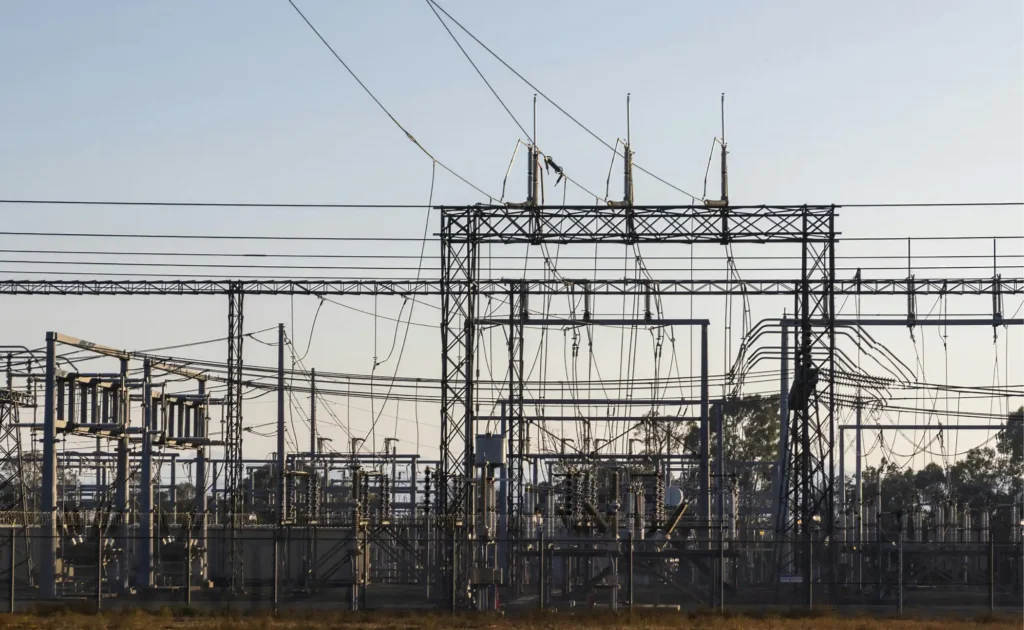
Industrial environments, with their high-power equipment and complex electrical systems, require robust earthing solutions. Here, the earthing system not only protects human life but also ensures the smooth operation of machinery, preventing costly downtime and damage.
Industries often use advanced earthing systems, including multiple rods and ground grids, to handle the high levels of electrical current generated.
Earthing Materials and Selection
Choosing the right materials for an earthing system is crucial for its longevity and effectiveness. Materials like copper and galvanized steel are commonly used due to their excellent conductivity and resistance to corrosion.
The selection process must consider factors such as soil conditions, electrical load, and environmental exposure to ensure optimal performance.
Maintenance of Earthing Systems
To maintain the effectiveness of an earthing system, regular inspection and maintenance are necessary. This includes checking for corrosion, ensuring connections are secure, and measuring the resistance of the earth connection.
Proactive maintenance can prevent failures, ensuring that the earthing system continues to provide reliable protection over time.
Measuring and Testing Earthing
Testing the effectiveness of an earthing system is critical to ensuring it functions correctly. Techniques such as the fall-of-potential method and earth resistance testing are commonly used to assess whether the system can safely dissipate electrical currents.
Regular testing is recommended, especially after any significant electrical work or environmental changes.
Earthing System Design Considerations
Designing an effective earthing system involves several considerations, including:
- Soil Resistivity: Understanding the soil’s conductivity is crucial for determining the type and placement of earthing rods.
- Electrical Load: The system must be capable of handling the maximum expected electrical load without failure.
- Environmental Factors: Conditions such as moisture and temperature can affect the performance of an earthing system.
These factors must be carefully balanced to ensure the system provides reliable protection.
Importance of Professional Installation
Given the complexities involved in designing and installing an earthing system, professional installation is essential. Experts can assess the specific needs of the site, select appropriate materials, and ensure that the system is installed to meet all regulatory standards.
This not only guarantees safety but also ensures the system’s longevity and effectiveness.
Earthing systems in Renewable Energy Systems
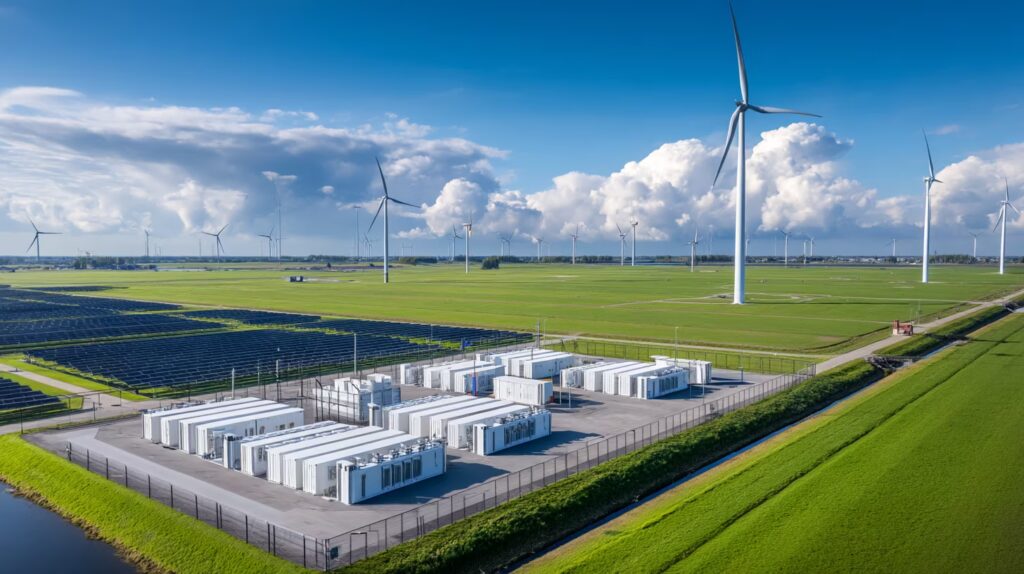
As renewable energy systems like solar and wind power become more common, the need for effective earthing solutions grows. These systems often require specialized earthing techniques to manage the unique electrical characteristics they present.
Proper earthing in renewable energy installations helps protect both the equipment and the broader electrical grid from faults and surges.
Technological Advances in Earthing
Recent innovations in earthing technology have led to the development of more efficient and reliable systems. Advanced materials, improved testing methods, and smart monitoring solutions are all contributing to safer and more effective earthing systems.
These advancements help meet the growing demands of modern electrical installations, ensuring continued safety and reliability.
Environmental Impact of Earthing
While earthing systems are crucial for safety, their environmental impact must also be considered. The materials used, the processes involved in installation, and the long-term sustainability of the system all play a role in its overall environmental footprint.
Choosing eco-friendly materials and minimizing environmental disruption during installation can help reduce this impact.
Earthing Systems: Future trends
The future of earthing systems lies in the integration of smart technology and sustainable practices. Innovations such as real-time monitoring and eco-friendly materials are expected to shape the next generation of earthing solutions.
These trends will help address the growing complexity of electrical systems and the need for more sustainable infrastructure.
FAQs
An earthing system connects electrical circuits to the ground, providing a safe path for excess current and protecting against electrical faults.
Earthing is crucial for preventing electrical shocks, fires, and equipment damage by safely dissipating excess current.
The most common types include TN, TT, and IT systems, each with specific applications depending on the environment and safety requirements.
Regular testing is recommended, at least once a year, or after any significant electrical work or environmental changes.
Yes, earthing systems can fail due to corrosion, poor installation, or environmental factors, making regular maintenance and testing essential.
Copper and galvanized steel are commonly used due to their conductivity and resistance to corrosion.
Conclusion
The Earthing System is an indispensable part of any safe and reliable electrical installation. By providing a direct path for excess current to the ground, it protects both people and equipment from the dangers of electrical faults. Whether in residential, industrial, or renewable energy applications, a well-designed and maintained earthing system is crucial for ensuring long-term safety and compliance with regulatory standards.
If you’re interested in reading more about us, visit other related articles on our News page
The Reynard Academy
Did you know Reynard has a DNV certified academy for HV Jointer trainings? Click here to find out more!