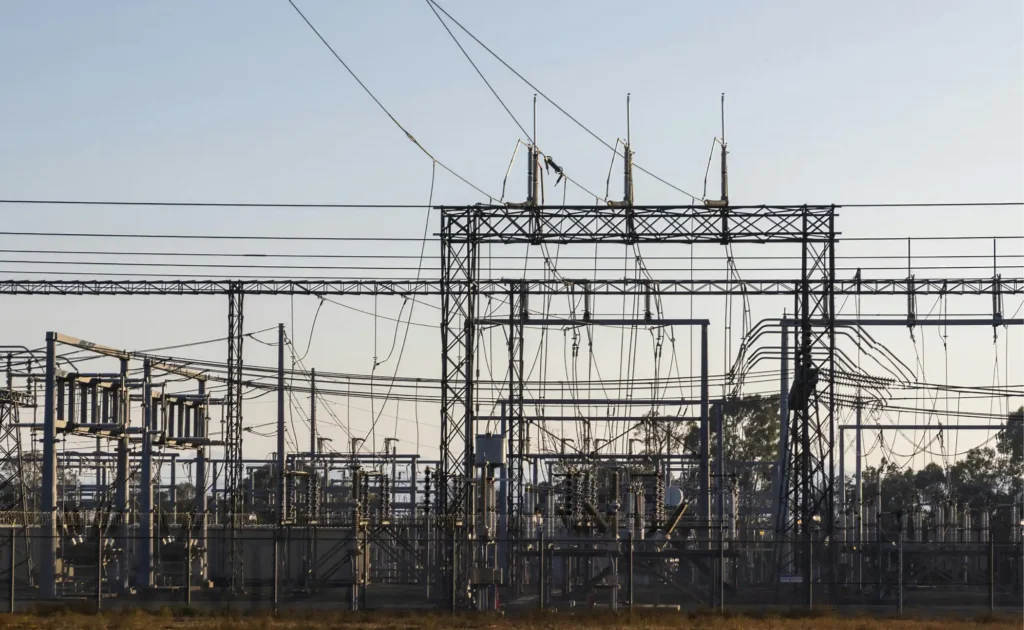


In the context of electrical substations, a bay refers to a designated section where various electrical equipment, including circuit breakers, disconnect switches, and other control devices, are grouped together for the purpose of control, protection, and monitoring of power systems.
Bays serve as organized and functional units within substations, facilitating the efficient operation and management of electrical networks. They typically house essential components required for the transmission, distribution, and management of electrical power. These components may include:
- Circuit Breakers: Devices designed to interrupt or break the flow of electrical current in the event of a fault or overload, thereby protecting the electrical system from damage and ensuring safety.
- Disconnect Switches: Mechanical switches used to isolate or disconnect specific sections of the electrical network for maintenance, repair, or troubleshooting purposes.
- Protection Relays: Electronic devices that detect abnormal conditions, such as overcurrent, overvoltage, or short circuits, and trigger protective actions, such as tripping circuit breakers, to prevent damage to equipment and ensure system reliability.
- Instrument Transformers: Devices used to step down high voltages and currents to levels suitable for measurement and control purposes, facilitating accurate monitoring and supervision of electrical parameters.
- Control Panels: Enclosures housing control and monitoring equipment, including switches, indicators, meters, and communication devices, allowing operators to supervise and manage the operation of the substation equipment.
By consolidating essential equipment into organized bays, substations can streamline operations, enhance system reliability, and improve maintenance efficiency. Bays also enable easier access for maintenance personnel, facilitating timely inspections, repairs, and upgrades to ensure the optimal performance of the electrical infrastructure. Overall, bays play a critical role in the effective functioning of substations and the broader electrical grid, contributing to the safe and reliable distribution of electrical power to end-users.