

When we think of high-voltage energy systems, we usually picture heavy cables carrying electricity from renewable sources to the grid. But inside many of those cables runs another essential component: fiber optic cables high voltage systems that transform ordinary power lines into intelligent networks capable of real-time monitoring and control.
What are Fiber Optic Cables in High-Voltage Systems?
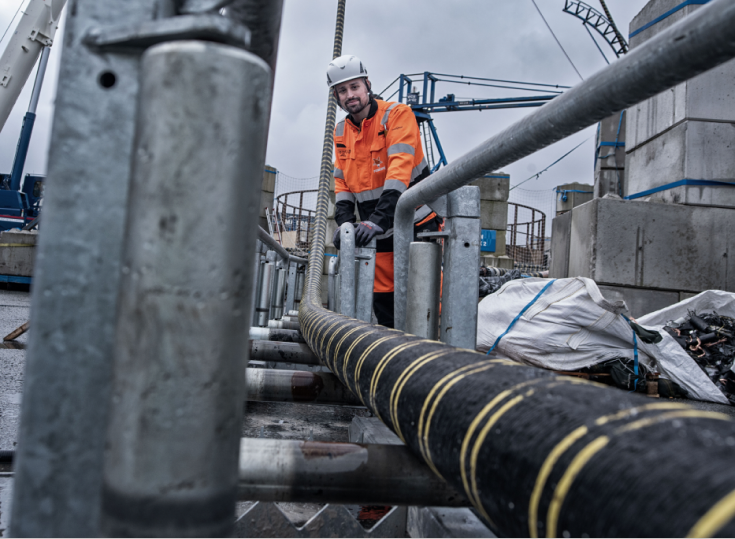
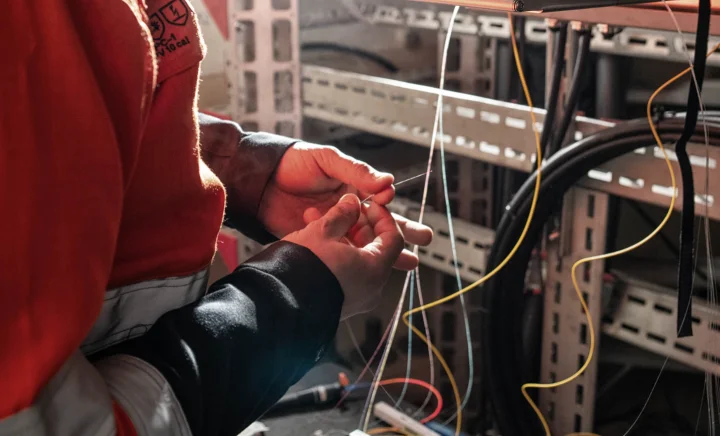
Fiber optic cables are strands of glass or plastic that transmit data as pulses of light. In high-voltage cables, they are often integrated into the cable design itself, running alongside the conductors. While the copper or aluminium cores transport power, the fiber optics transport information about the system’s performance and condition.
Why are Fiber Optic Cables Important in High-Voltage Systems?
Fiber optics makes today’s energy networks smart and reliable. Without them, operators would have limited visibility into what’s happening along critical power links. These fiber optic cables high voltage systems provide:
- Real-time monitoring of cable integrity, temperature, and performance
- Fast communication between substations and control centres
- Early fault detection that allows for preventive maintenance and reduces downtime
- Grid stability supporting the integration of renewable sources like wind and solar
In short, fiber optics transforms a power line from a passive conductor into an intelligent, self-monitoring system.
Who Benefits from Fiber Optic High-Voltage Systems?
- Transmission and distribution operators who need safe, stable, and efficient networks
- Renewable energy developers who rely on smart infrastructure to bring green power to the grid
- Maintenance teams that can pinpoint issues quickly and reduce repair costs
- Grid operators who need accurate, real-time data to balance demand and supply
Where are Fiber Optic Cables Used in High-Voltage Applications?
Fiber optic cables are embedded in:
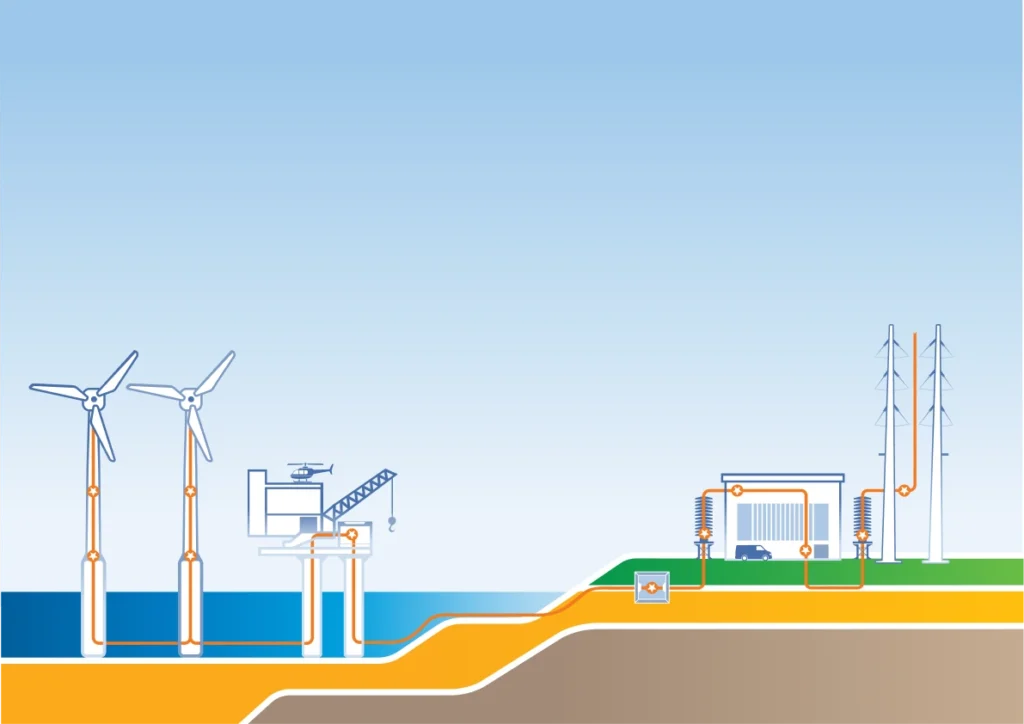
- Underground and submarine high-voltage cables, connecting substations or linking renewable energy projects to the grid
- Export cables for offshore and nearshore wind farms
- Interconnectors that link national grids across borders
- Smart grid infrastructure enabling distributed energy resource management
When Do Fiber Optic High-Voltage Systems Come Into Play?
Fiber optics is critical throughout the entire lifecycle of an energy system:
- Installation and testing, to verify connections and cable health
- Daily operations, providing continuous monitoring and control
- Repairs and upgrades, pinpointing the source of a problem before crews are deployed
How Do Fiber Optic Cables Work in High-Voltage Practice?
Light signals travel through the fiber at nearly the speed of light. At substations and monitoring points, devices translate operational data (such as temperature, strain, or system load) into light pulses, transmit them across the network, and convert them back into usable information.
Advanced applications like Distributed Temperature Sensing (DTS) or Distributed Acoustic Sensing (DAS) can turn a fiber optic cable into thousands of virtual sensors. This enables operators to detect hotspots, locate faults, or even monitor external disturbances like digging near an underground cable.
The Future of Smart Grid Technology
The integration of fiber optic cables high voltage systems represents a fundamental shift toward intelligent energy infrastructure. As renewable energy sources become increasingly prevalent, the need for sophisticated monitoring and control systems grows exponentially. These systems enable:
- Dynamic load balancing across distributed energy resources
- Predictive maintenance reducing operational costs and improving reliability
- Enhanced cybersecurity for critical energy infrastructure
- Integration with IoT devices for comprehensive grid management
Conclusion
Fiber optic cables are the nervous system of modern high-voltage networks. By combining data and power in one system, these fiber optic cables high voltage systems make renewable energy delivery more reliable, efficient, and secure. At Reynard, we see them as a cornerstone of building the energy infrastructure of the future. Want to learn more? Contact us here.