

Offshore wind pull-in winches are critical equipment for subsea cable installation in wind farms across Europe, North America, and Asia-Pacific. These specialized systems enable safe, controlled installation of high-voltage cables into wind turbine foundations and offshore substations.
Understanding Offshore Wind Pull-In Winch Systems
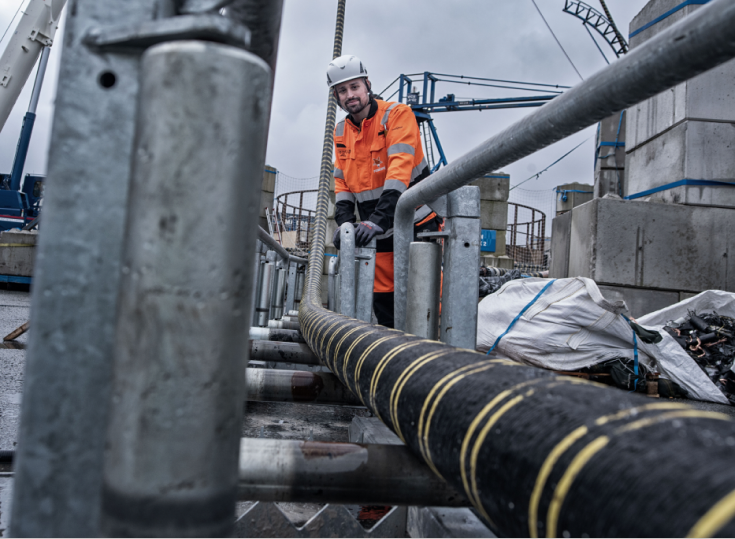
Pull-in winches are motor-driven cable installation systems designed specifically for offshore wind applications. These winches apply precise, controlled tension to guide subsea power cables through J-tubes and bellmouths in offshore wind turbine generators (WTGs) and offshore substations (OSS).
For comprehensive offshore wind industry insights, the Global Wind Energy Council provides authoritative market data and technical guidance.
Key Components of Pull-In Winch Systems
Modern offshore wind pull-in winches feature:
- Hydraulic or electric drive systems for reliable offshore operation
- Advanced load monitoring with real-time tension feedback
- Variable line speed control for precision cable handling
- Emergency safety shutoff systems for crew protection
- Modular skid mounting for easy installation and removal
Pull-In Winch Applications in Offshore Wind Farms
Wind Turbine Generator Pull-In Operations
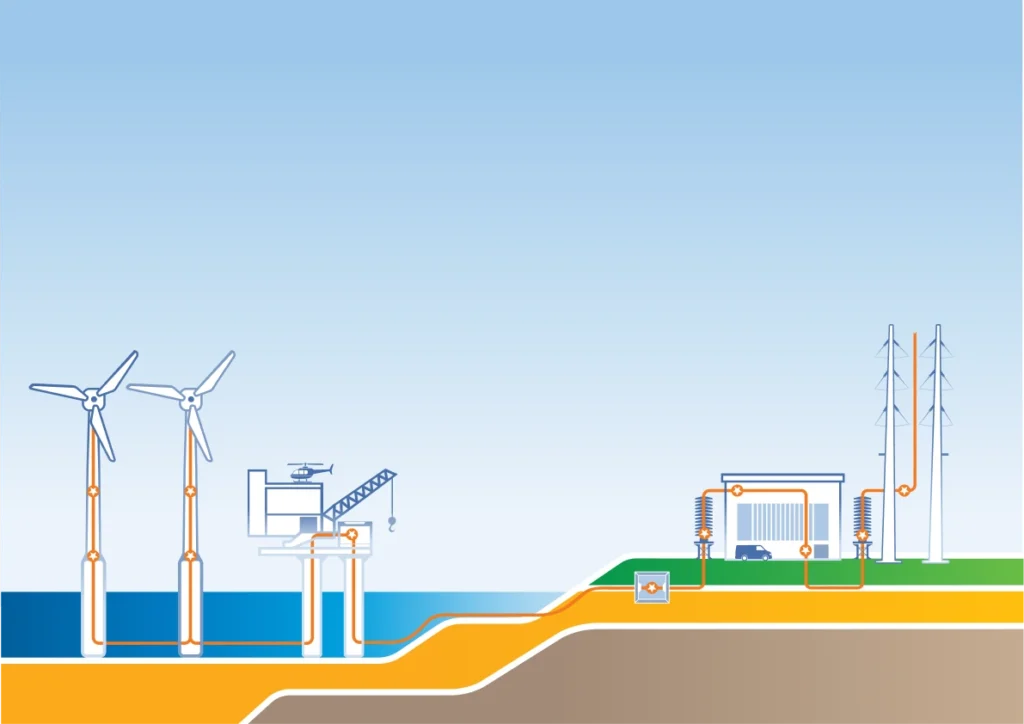
Pull-in winches install inter-array cables connecting individual turbines within offshore wind farms. These 33kV to 66kV cables require careful handling to prevent damage during installation.
Offshore Substation Pull-In Winch Operations
Export cable installation at offshore substations uses heavy-duty pull-in winches capable of handling 220kV to 525kV cables weighing several tonnes per meter.
Technical Specifications for Offshore Wind Pull-In Winches
| Specification | Range | Application |
|---|---|---|
| Pulling Capacity | 10–50 tonnes | Array to export cables |
| Line Speed | 0.5–15 m/min | Variable for control |
| Power Source | Hydraulic/Electric | Based on platform |
| Operating Temperature | −20°C to +50°C | Offshore conditions |
Global Markets for Offshore Wind Pull-In Winch Services
European Offshore Wind Pull-In Operations
North Sea: UK, Netherlands, Germany, Denmark Baltic Sea: Sweden, Poland, Lithuania
Atlantic Coast: France, Ireland, Portugal
North American Pull-In Winch Markets
US East Coast: Massachusetts, New York, New Jersey US West Coast: California, Oregon
Great Lakes: Michigan, Ohio, New York
Asia-Pacific Pull-In Winch Growth Markets
East Asia: China, Japan, South Korea, Taiwan Southeast Asia: Vietnam, Philippines, Thailand
Offshore Wind Cable Installation Challenges and Pull-In Solutions
Weather Window Management
Offshore wind pull-in operations require calm sea states (typically <1.5m significant wave height) for safe cable handling. Weather delays can impact project schedules significantly.
Precision Cable Routing
Pull-in winches must guide cables through narrow J-tube openings (typically 300-600mm diameter) with millimeter precision to avoid damage.
Load Management
Exceeding cable minimum bend radius or maximum tension limits during pull-in can cause: Conductor damage Insulation stress
Long-term reliability issues
High-Voltage Testing Integration with Pull-In Winch Operations
Post-Installation Cable Inspection
After pull-in completion, cables require comprehensive testing including: Partial discharge (PD) testing to verify insulation integrity Cable sealing end (CSE) installation for moisture protection High-voltage commissioning for system energization
The International Electrotechnical Commission establishes global standards for offshore cable testing and safety procedures.
Quality Assurance Protocols
Professional pull-in winch operators coordinate with HV testing teams to ensure: Proper cable condition documentation Seamless transition to termination work Reduced overall installation timeline
Pull-In Winch Rental and Professional Services
Equipment Availability
Pull-in winch rental services typically include: Trained operators with offshore wind experience Load monitoring equipment for real-time feedback Emergency response procedures for safe operations Weather contingency planning for schedule optimization
Project Planning Considerations
Early engagement with pull-in winch providers enables: Equipment sizing for specific cable types Weather window optimization Integration with vessel schedules Coordination with HV testing teams
Future Trends in Offshore Wind Pull-In Technology
Larger Cable Diameters
Next-generation offshore wind farms using 15-20MW turbines require larger array cables, driving demand for higher-capacity pull-in winches.
Floating Wind Integration
Floating offshore wind platforms present new challenges for cable pull-in operations, requiring specialized equipment and procedures.
Automated Systems
Advanced pull-in winches increasingly feature automated tension control and real-time monitoring for improved safety and efficiency.
Selecting Pull-In Winch Services for Your Project
Key Evaluation Criteria
When selecting pull-in winch providers, consider:
- Offshore wind experience in similar water depths and conditions
- Equipment specifications matching your cable requirements
- Safety track record and HSE compliance
- Geographic coverage in your project location
- Integration capabilities with HV testing services
Cost Optimization Strategies
Early contractor engagement for equipment sizing Weather window planning to minimize delays Integrated services combining pull-in and termination Lessons learned from similar projects
Regional Regulations and Standards for Pull-In Winch Operations
European Standards
IEC 62067 for power cables EN 50618 for offshore applications
Country-specific regulations (UK, Netherlands, Germany)
North American Requirements
IEEE standards for cable systems BOEM regulations for US waters Provincial requirements (Canada)
Asia-Pacific Standards
Regional variations by country International standard adoption Local content requirements
In Short
Offshore wind pull-in winches represent critical infrastructure for the global energy transition. As offshore wind capacity expands from 35GW today to over 250GW by 2030, demand for specialized cable installation equipment and services will grow correspondingly.
Success in offshore wind projects requires experienced pull-in winch operators working alongside HV testing specialists to ensure safe, efficient cable installation and commissioning.
About Reynard High Voltage Solutions
Reynard offers comprehensive offshore wind cable services, including pull-in winch rental with trained operators. Our systems are available for Q2 2026 onwards.
Contact Reynard for: Pull-in winch rental and operation High-voltage cable termination Partial discharge testing Complete cable commissioning services