
Introduction: Why Offshore Wind in the Netherlands Matters
Offshore wind in the Netherlands is driving a clean energy revolution. At Reynard.nl, we believe in a resilient and sustainable future—and offshore wind is leading the charge. The Dutch North Sea is being transformed into a powerhouse for renewable electricity, helping cut carbon emissions and reduce dependence on fossil fuels. With the government aiming for 21 gigawatts (GW) of capacity by 2033, the Netherlands aligns its ambitions with both the Paris Agreement and national energy security.
What is Offshore Wind Energy?
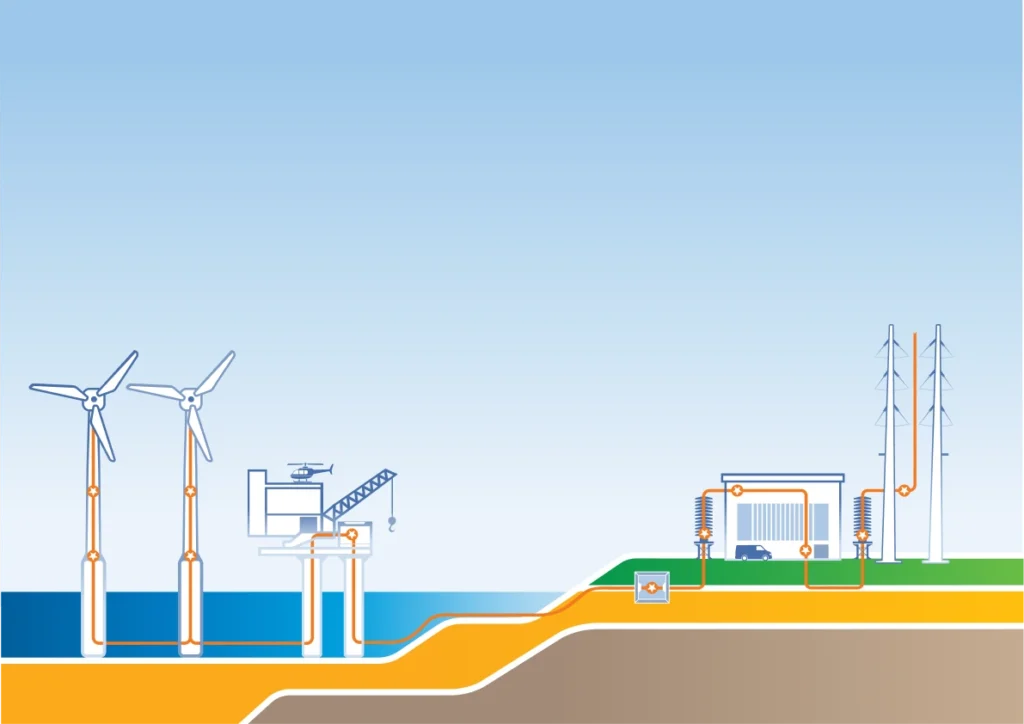
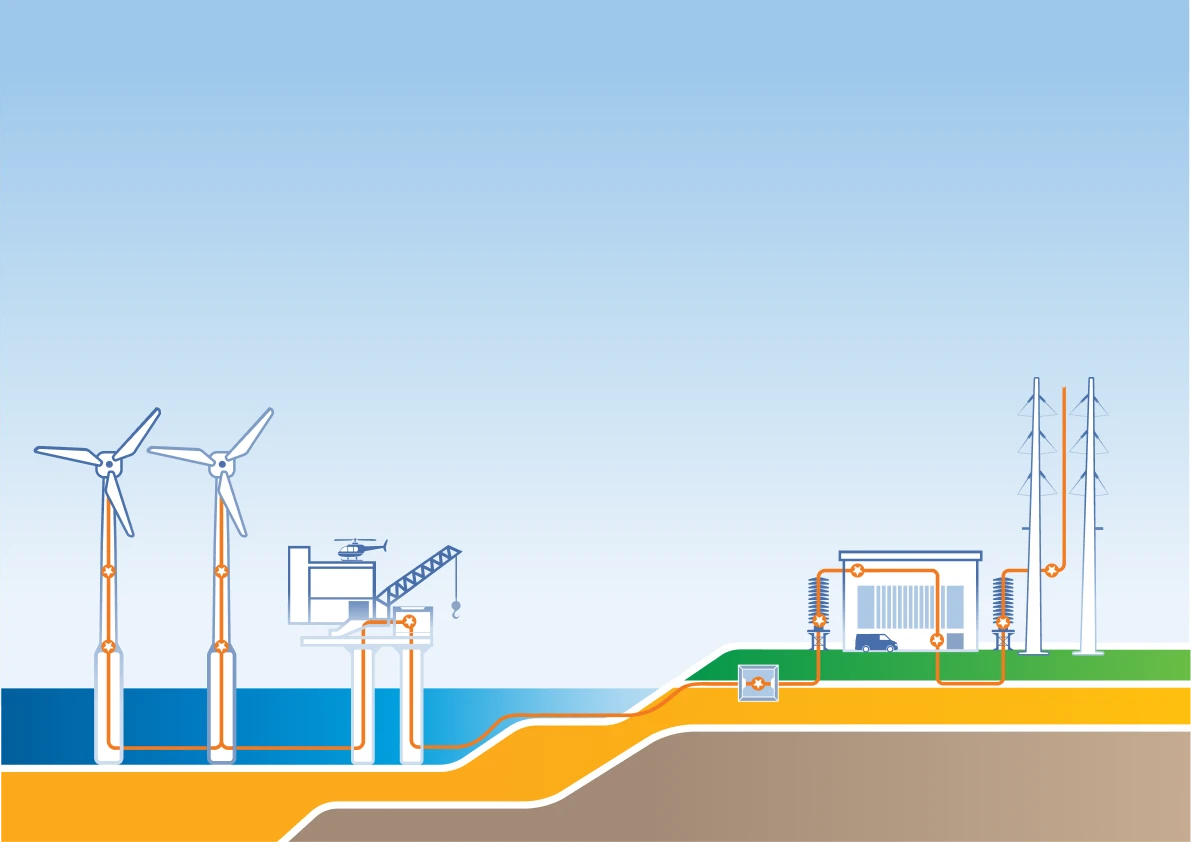
Offshore wind energy refers to electricity generated from wind turbines placed in the sea. These turbines are more efficient due to stronger and more consistent winds. Power is transmitted via seabed cables to the Dutch electricity grid.
A Bold National Strategy
The Dutch government, along with multiple ministries, has laid out a roadmap to grow offshore wind in the Netherlands. This ambitious plan addresses global energy challenges while utilizing the strategic advantages of the North Sea.
Netherlands’ Offshore Wind Roadmap: 21 GW by 2033
Outlined in the June 2025 Roadmap, the Netherlands will deploy new wind farms in phases through 2033. The plan balances infrastructure, environmental care, and cost control.
Smart Site Selection in the North Sea
Despite its vastness, the North Sea is a complex zone—hosting shipping lanes, fisheries, defense areas, and natural reserves. Site selection weighs energy yield, seabed depth, and cable feasibility.
Collaborative Power: Ministries and Stakeholders
Ministries of Climate, Infrastructure, Nature, and Interior work with the wind sector and coastal communities to develop offshore wind projects in a balanced and inclusive manner.
TenneT and the Offshore Grid
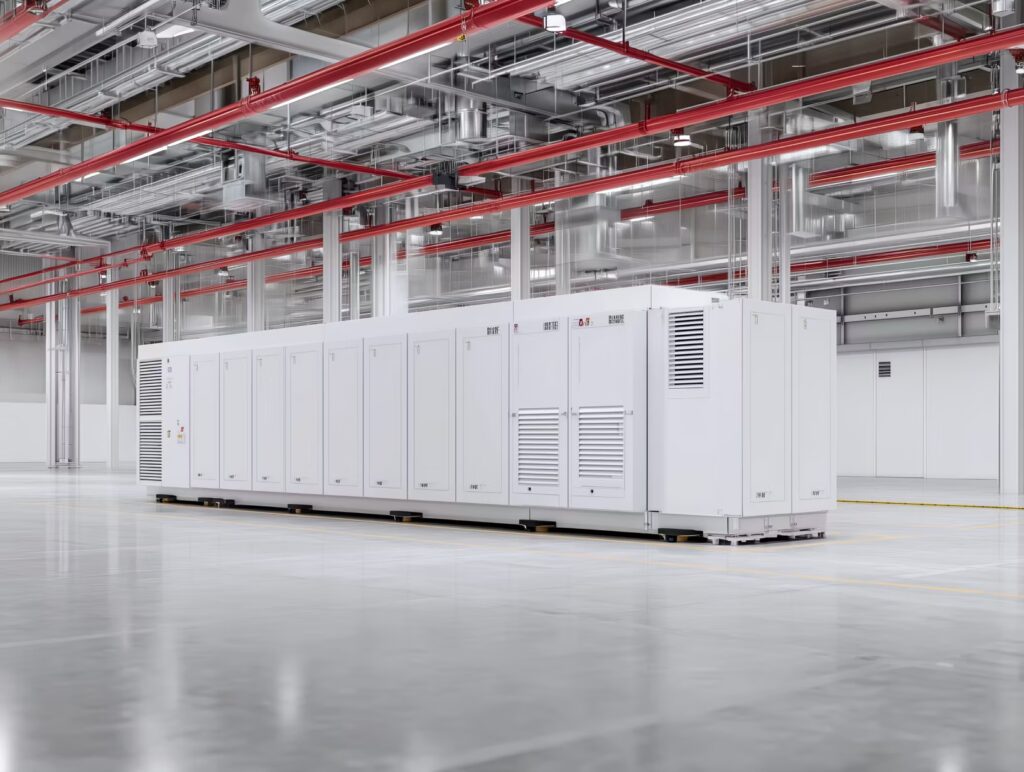
Under the Electricity Act 1998, TenneT manages the offshore grid. Key infrastructure includes:
- Offshore transformer platforms
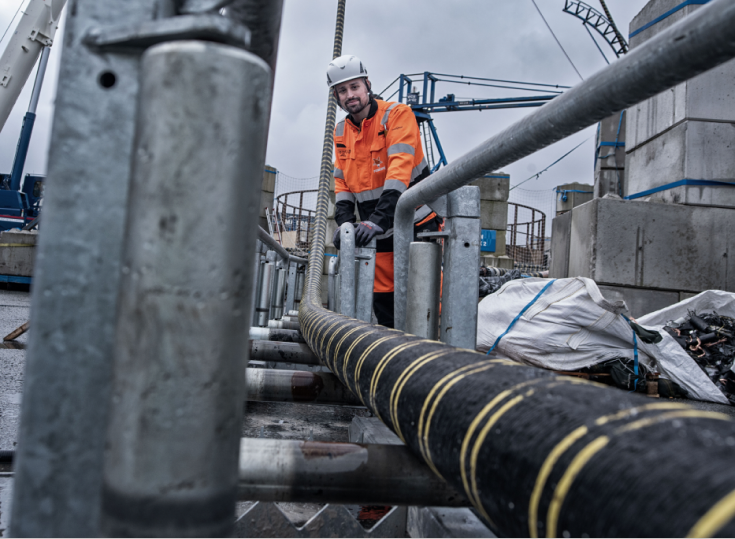
- Seabed electricity cables
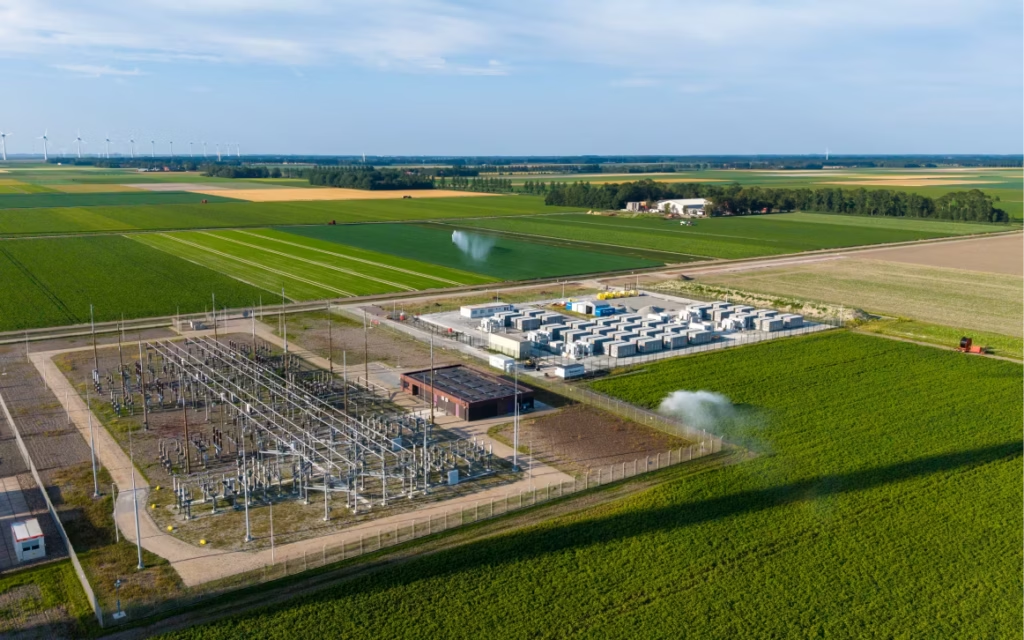
- Onshore transformer substations
- Links to the national 380 kV grid
Standardized 700 MW platforms improve efficiency and reduce costs.
Completed Projects: Roadmap 2023 Milestone
Operational wind farms include:
- Borssele: 2 platforms
- Hollandse Kust (South): 2 platforms
- Hollandse Kust (North): 1 platform
Together, they now supply sustainable energy to thousands of Dutch homes.
Future of Offshore Wind in the Netherlands (2032 and Beyond)
New projects include:
- Hollandse Kust (West) – 2,100 MW
- IJmuiden Ver Alpha & Beta – 6,000 MW
- Nederwiek – 6,000 MW
- Ten noorden van de Waddeneilanden – 700 MW
Farther sites like IJmuiden Ver use direct current (DC) to transmit power more efficiently.
VAWOZ: Exploring Future Grid Landing Sites
VAWOZ (Verkenning Aanlanding Windenergie op Zee) assesses:
- Transmission types (electrons or hydrogen)
- Methods (cables, pipelines, or ships)
- Coastal landing locations
It’s essential for long-term planning beyond 2030.
Balancing Nature and Energy
Offshore wind must coexist with marine ecosystems. Environmental impact assessments are required to protect biodiversity while securing clean energy.
Economic Benefits and Innovation
The offshore wind sector:
- Creates jobs
- Drives innovation
- Strengthens Dutch expertise
At Reynard.nl, we’re proud to support and highlight these developments.
External Resources
FAQs About Offshore Wind in the Netherlands
Q1. What is the 21 GW roadmap?
A: It’s the national target to install 21 gigawatts of offshore wind by 2033.
Q2. Who maintains offshore wind infrastructure?
A: TenneT operates the offshore grid, and private developers build the wind farms.
Q3. How is energy transmitted to land?
A: Via seabed cables to offshore platforms, then through substations into the national grid.
Q4. Does offshore wind harm marine life?
A: Environmental studies help minimize impact on biodiversity.
Q5. Why use DC for some projects?
A: DC is more efficient for long distances, like IJmuiden Ver.
Q6. What is VAWOZ?
A: A planning study exploring future grid landing and hydrogen infrastructure.
A Wind-Powered Future for the Netherlands
Offshore wind in the Netherlands is more than a climate solution—it’s a symbol of innovation and collaboration. With 21 GW by 2033 in sight, the country is paving the way for a carbon-free future.