
(Inspired by research from TU Delft)
The global shift toward a sustainable future faces a fundamental challenge: how to make energy not only reliable and affordable, but also clean. What used to be a simple engineering dilemma has become a trilemma — balancing cost, reliability, and sustainability.
According to researchers at TU Delft, one of the most promising answers lies in a powerful new concept: the energy hub.
“An energy hub is an extremely powerful concept, a real leap forward, because it combines things that have never been combined before.”
— Peter Palensky, TU Delft
In this article, we explore what energy hubs are, why they matter for the energy transition, and what we can learn from TU Delft’s pioneering research.

What is an Energy Hub?
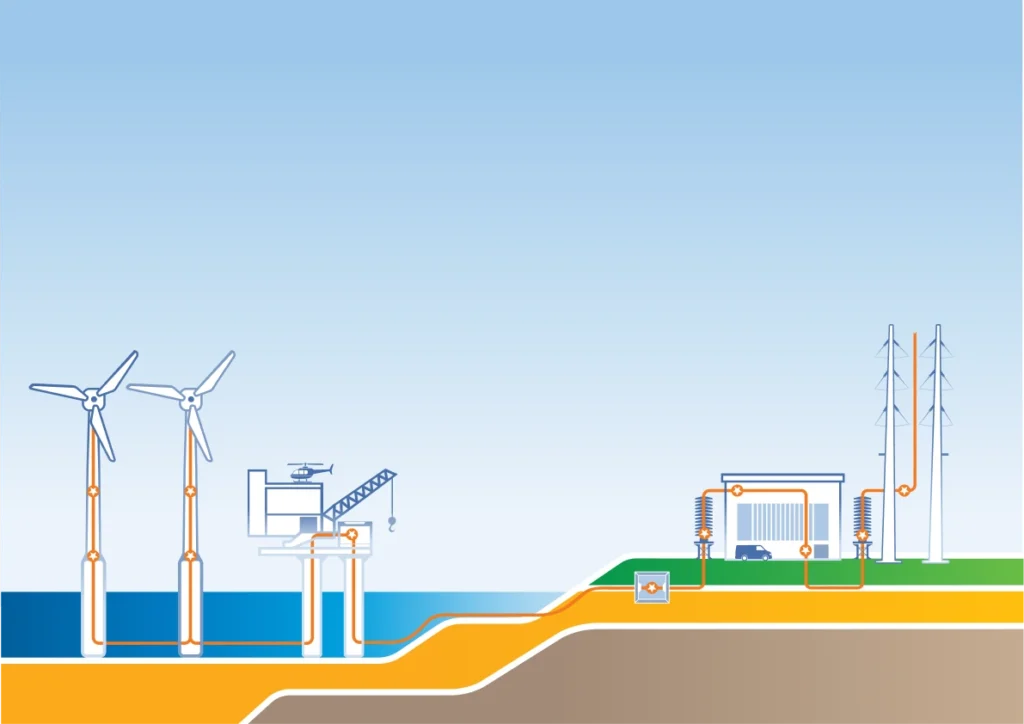
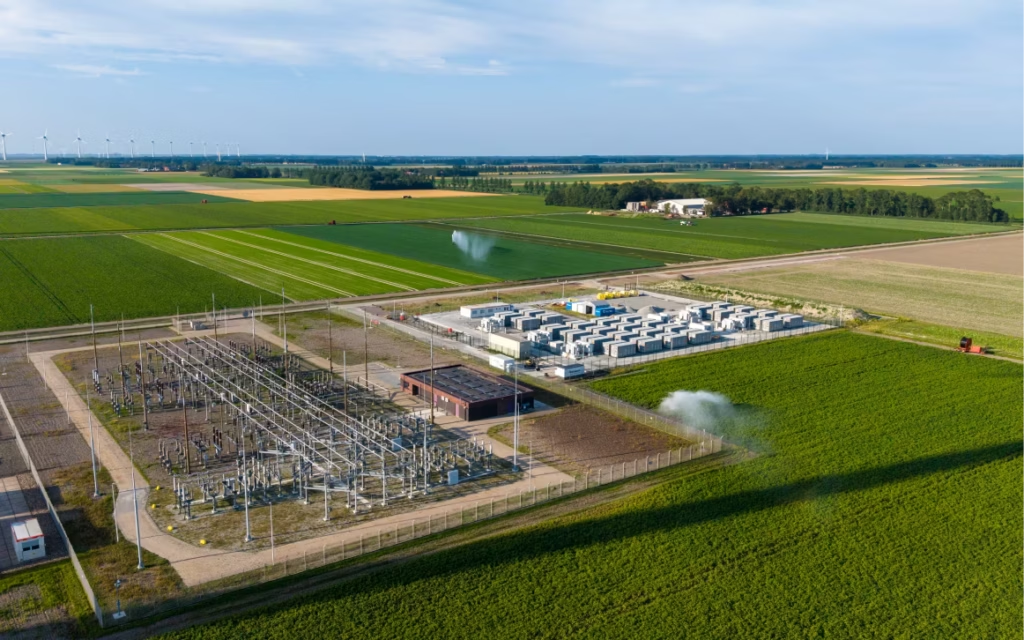
An energy hub is an intelligently managed, decentralised energy system that connects various energy carriers — such as electricity, heat, gas, and storage — within a specific area. Unlike traditional, isolated systems, an energy hub allows for smart coordination between supply, demand, and conversion processes.
This integration delivers four major benefits:
- It balances local energy supply and demand
- It relieves pressure on the main electricity grid
- It increases flexibility and reliability
- It maximises efficiency by using energy carriers optimally
TU Delft researchers Peter Palensky (Professor of Intelligent Electric Power Grids) and Laura Ramírez Elizondo (Associate Professor of Microgrids) emphasize that this combination is what makes the concept so powerful.
“By using energy carriers in the right way, you make much more efficient — even optimal — use of energy sources.”
— Laura Ramírez Elizondo
Why Energy Hubs Matter
1. Flexibility in a Variable Energy Landscape
Renewable energy sources like wind and solar are inherently variable — sometimes abundant, sometimes scarce. Energy hubs can adapt in real time by:
- Storing excess electricity in batteries or as heat
- Temporarily pausing certain systems (like heat pumps)
- Coordinating multiple energy forms to keep the balance
Palensky compares it to an orchestra: every instrument plays its own part, but together they create harmony. Coordination, not isolation, is the key.
2. Relieving a Strained Grid
As grid congestion becomes a growing concern in the Netherlands and beyond, energy hubs can act as local buffers — smoothing peaks, filling valleys, and reducing dependency on central infrastructure.
3. Scaling Up Electrification
The transition away from fossil fuels depends on electrifying three major sectors: transport, industry, and heating.
Energy hubs can:
- Convert electricity into hydrogen or synthetic gases
- Integrate thermal and battery storage
- Manage local charging networks for electric vehicles
This makes hubs essential for industrial areas, smart neighbourhoods, and mobility hubs alike.
4. Synergy Over Isolation
One of TU Delft’s most profound insights is that synergy drives progress — in science, in teams, and in technology. Energy hubs embody this philosophy: collaboration between systems delivers results no isolated component ever could.
Research and Challenges Ahead
TU Delft’s Electrical Sustainable Energy department is exploring the many layers of energy hub design:
- System topology: from household to neighbourhood scale
- Power electronics and conversion: efficient interaction between carriers
- AI-based control systems: real-time decision-making using data
- Coordination and interoperability: aligning regulation, markets, and technology
While the technology is advancing rapidly, adoption is slowed by institutional inertia and policy barriers — not by lack of innovation.
What This Means for the Future
For countries like the Netherlands, energy hubs offer a blueprint for local resilience and sustainable autonomy.
They provide a way to:
- Decarbonize faster
- Use renewable resources more effectively
- Empower communities to generate and manage their own energy
As Laura Ramírez Elizondo puts it:
“Everything in life works like this: synergy brings more progress than individual plans.”
And as Palensky reminds us, the mission is clear:
“Honestly, yes, I want to save the world. My choice is to do research — to design the energy system of the future.”
The Role of Industry Partners
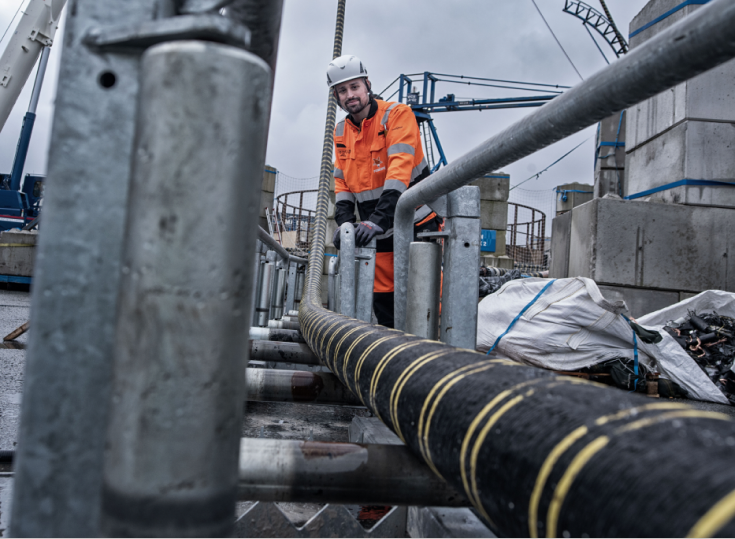
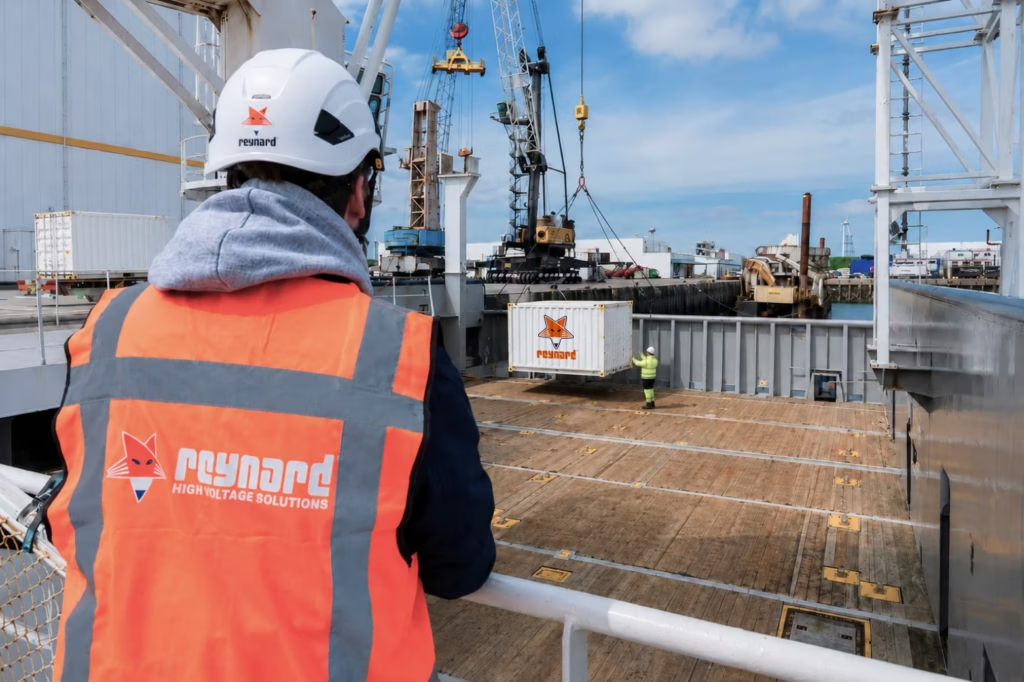
For companies working in high-voltage infrastructure – like Reynard High Voltage Solutions – the energy hub concept represents both a challenge and an opportunity.
The transition toward decentralised, integrated systems will require:
- Smarter cable networks
- Resilient testing and termination standards
- Cross-sector collaboration between utilities, EPCs, and innovators
Reynard’s mission to deliver precision, reliability, and trust in high-voltage connections directly supports the foundation of this next-generation energy system.
Conclusion
Energy hubs mark the beginning of a new era in power engineering — one defined not by isolated systems, but by connection, coordination, and collaboration.
As TU Delft’s research shows, the path to clean, reliable, and affordable energy is not a distant dream; it’s a system design challenge we can solve together.
Source: TU Delft Stories – “Energyhubs”