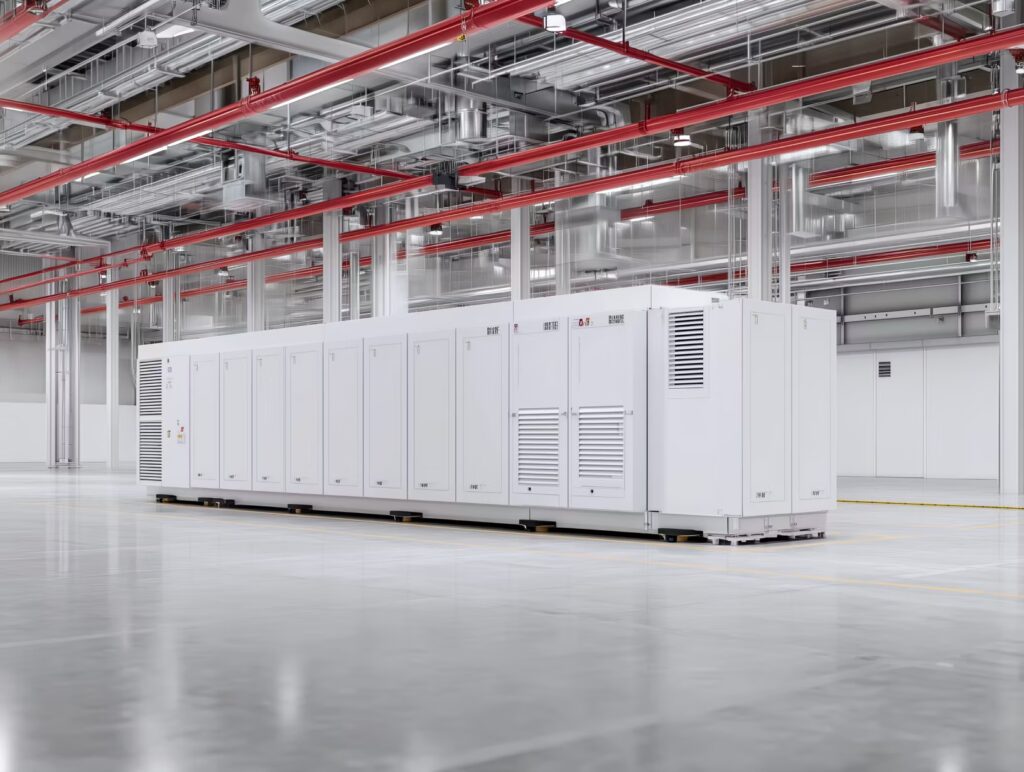


Balance of Plant (BoP) in power engineering refers to all systems, infrastructure, and works required to make a power asset operational, excluding the primary equipment itself. This typically includes electrical infrastructure, cabling, terminations, protection systems, civil works, and commissioning activities that enable safe and reliable power delivery.
If you’re interested in Balance of Plant (BoP), you’re likely involved in a power project where success depends on everything around the core asset — not the asset itself.
Across power generation, transmission, and grid infrastructure projects, BoP is where complexity accumulates. It is also where delays, quality issues, and interface failures most frequently arise. While primary equipment often receives the most attention, it is BoP that ultimately determines whether a project can be energized on time and perform reliably.
This article explains what Balance of Plant means in power engineering, what it typically includes, and why high-voltage execution plays a critical role in BoP performance.
What is Balance of Plant (BoP)?
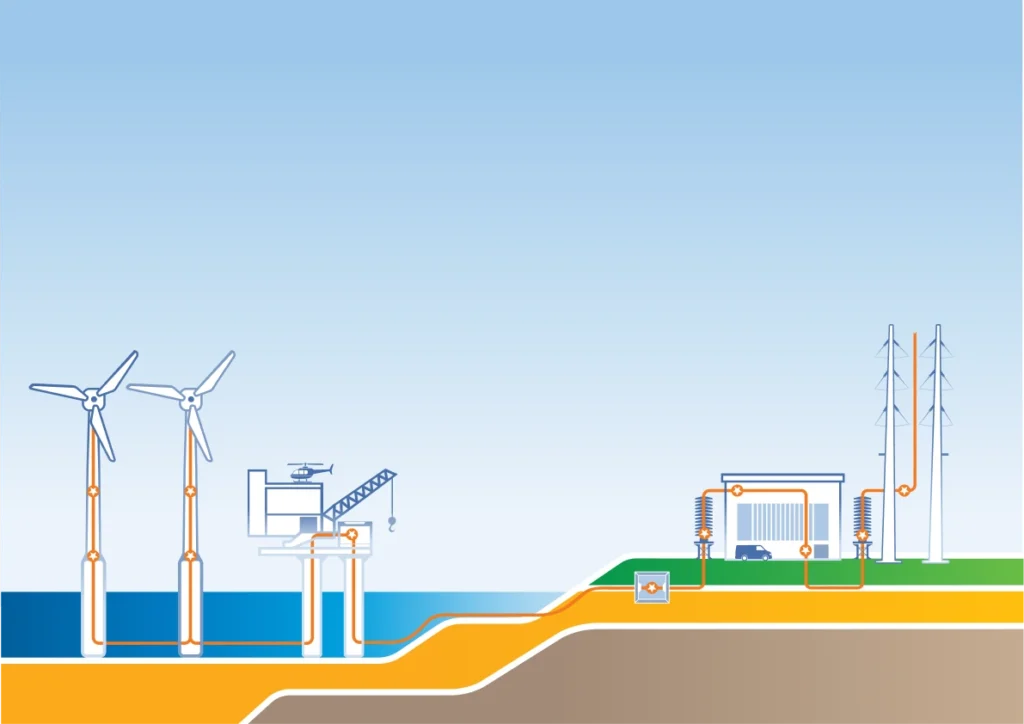
In power engineering, Balance of Plant (BoP) encompasses all supporting systems and components required to connect, protect, and operate a power asset, excluding the main generation or conversion technology.
The primary asset might be:
- a power generation unit
- a transformer or converter
- a substation core installation
- a grid-connected energy system
BoP includes everything that allows that asset to function safely, interface with the grid, and deliver power under operational conditions.
In practice, BoP is not a secondary scope. It is the enabling system that connects engineering intent to real-world performance.
Typical Balance of Plant scope in power engineering projects
Although BoP definitions vary by sector and contract structure, the scope commonly includes a combination of the following elements:
Electrical infrastructure
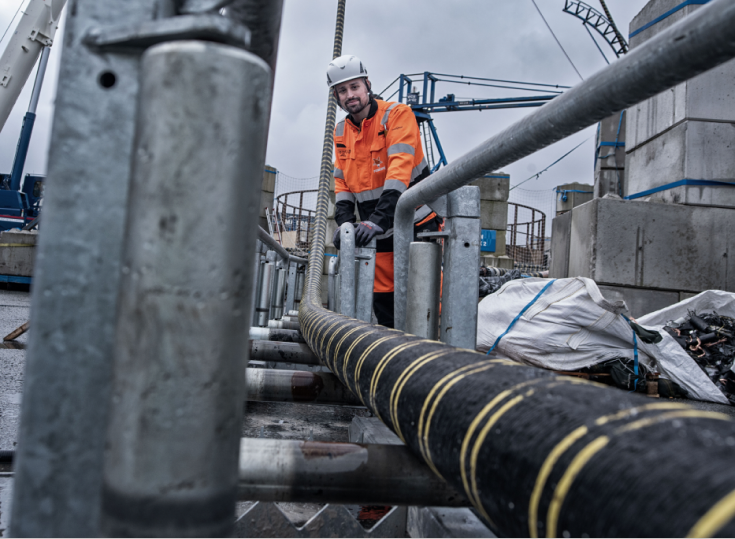
- High-voltage (HV) and medium-voltage (MV) cabling
- Cable joints and terminations
- Earthing and bonding systems
- Protection, control, and auxiliary systems
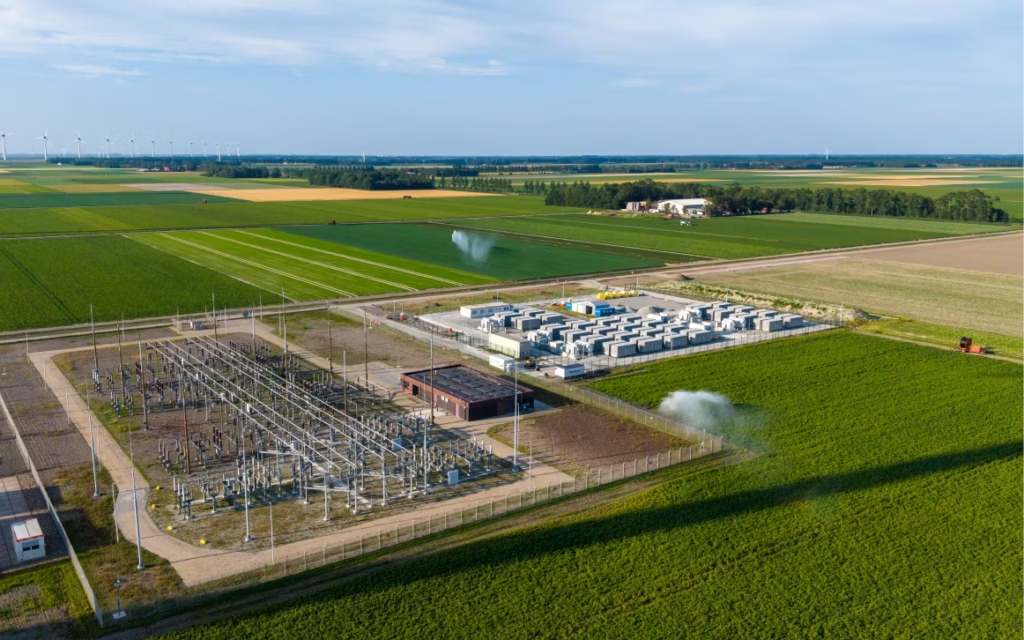
- Substation interfaces and grid connection works
- Testing, commissioning, and energization support
Civil and structural works
- Foundations and equipment supports
- Trenches, ducts, and cable routing
- Buildings, enclosures, and access infrastructure
Systems and interfaces
- SCADA and communication systems
- Monitoring and safety systems
- Interface coordination between equipment suppliers and contractors
What defines BoP is not only what it includes, but where it sits: between disciplines, contracts, and responsibilities.
Why Balance of Plant carries disproportionate project risk
In many power projects, BoP:
- is delivered by multiple subcontractors
- spans engineering, procurement, construction, and commissioning phases
- is finalized late in the project lifecycle
This creates risk when:
- responsibilities are fragmented or unclear
- standards differ between suppliers
- site conditions diverge from design assumptions
- quality depends heavily on field workmanship
High-voltage cable systems are particularly sensitive. A single weak interface — such as an improperly executed termination or an unprepared test sequence — can delay commissioning or prevent energization entirely.
As a result, BoP performance is often judged at the moment power is first applied.
The role of high-voltage execution within BoP
Balance of Plant success ultimately depends on execution discipline in the field.
At the point of energization, reliability is determined by:
- correct installation of HV accessories
- controlled and repeatable termination procedures
- clean working conditions and skilled workmanship
- complete documentation and traceability
- thorough preparation for testing and commissioning
For this reason, experienced project teams treat high-voltage cable execution as a specialist activity, not a generic construction task.
Where Reynard High Voltage Solutions fits
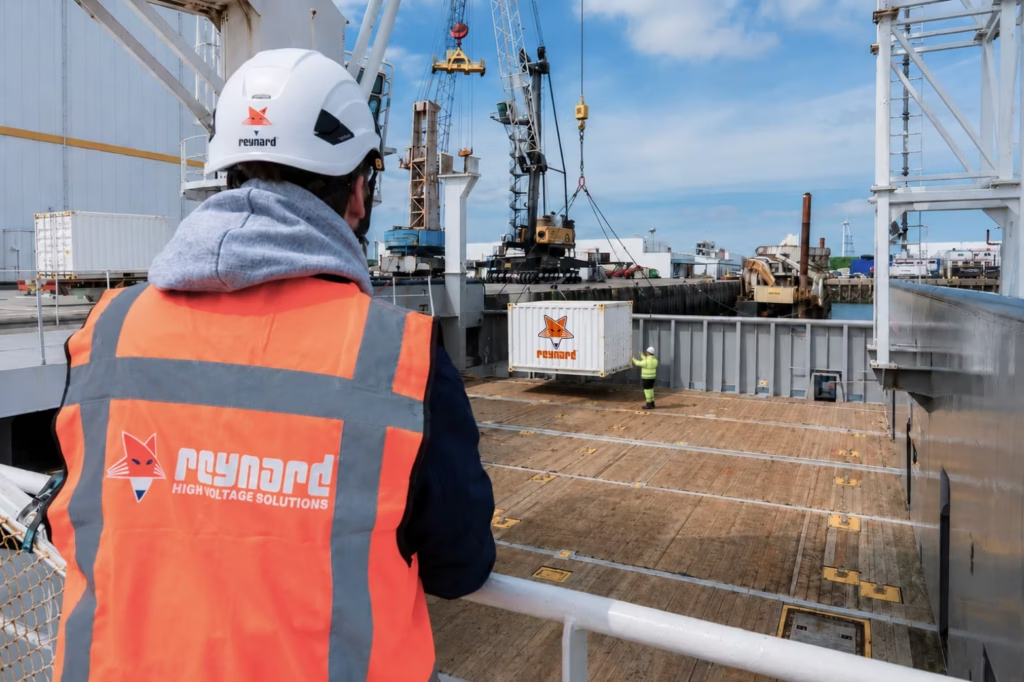
Reynard High Voltage Solutions supports Balance of Plant delivery across power engineering projects by focusing on high-voltage cable execution where predictability and quality are critical.
Reynard is typically involved in BoP scopes that include:
- HV jointing and termination
- Cable system interfaces at substations and grid connections
- Test preparation and execution support
- Fault finding and corrective interventions
- Full-service subcontracting for high-voltage cable systems
Rather than expanding BoP scope, Reynard’s role is to stabilize it — by reducing execution risk at the most critical electrical interfaces.
When to involve a high-voltage specialist in BoP
Early involvement of a specialist is especially valuable when:
- multiple parties share responsibility for cable systems
- commissioning depends on flawless handover
- standards must be aligned across suppliers and contractors
- schedules are driven by electrical readiness
- previous projects experienced issues with terminations or testing
In these situations, BoP success is less about scope size and more about execution certainty.
Balance of Plant is where power projects succeed or stall
Across power engineering, Balance of Plant is rarely the headline scope — but it is often the decisive one.
Projects that perform well treat BoP as a system, not a checklist. They focus on interfaces, standardize execution, and rely on experienced specialists where precision matters most.
If your project includes high-voltage cable systems as part of the Balance of Plant, Reynard High Voltage Solutions supports safe, predictable execution — from termination through testing to energization. If you would like to know more, please reach out to us.