

Exploring Cable Production Processes
Cable manufacturing is the process of designing, assembling, and testing electrical cables to meet specific performance and safety standards. This industry involves selecting materials like copper or aluminum conductors, insulating them with materials such as PVC or XLPE, and adding protective layers to withstand environmental challenges. The process includes steps like stranding, insulation, and jacketing, ensuring cables are ready for various applications, from power transmission to telecommunications.
Importance in Power Cable Development
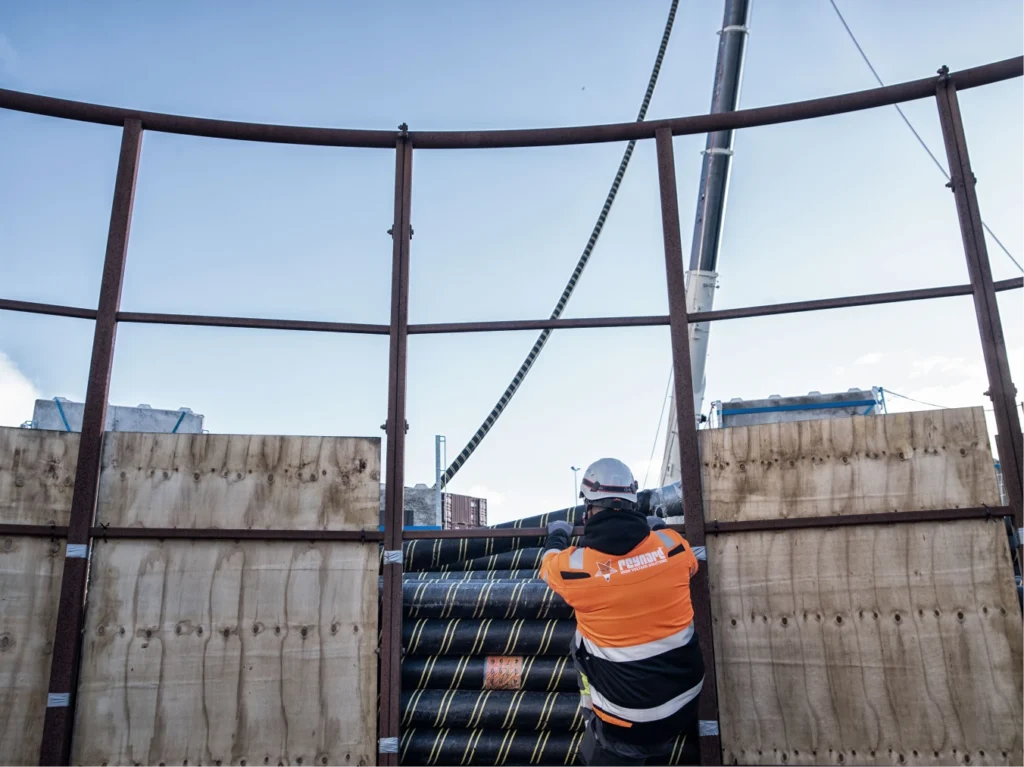
The production of power cables plays a critical role in modern infrastructure, enabling the distribution of electricity across homes, industries, and renewable energy projects like wind farms. Pre-assembled cabling solutions are increasingly vital, as they simplify installation and reduce complexity in large-scale projects. These cables must be durable, resistant to heat and moisture, and capable of handling high voltage, making the manufacturing process a key factor in ensuring reliable energy delivery.
Overview of Cable Fabrication Techniques
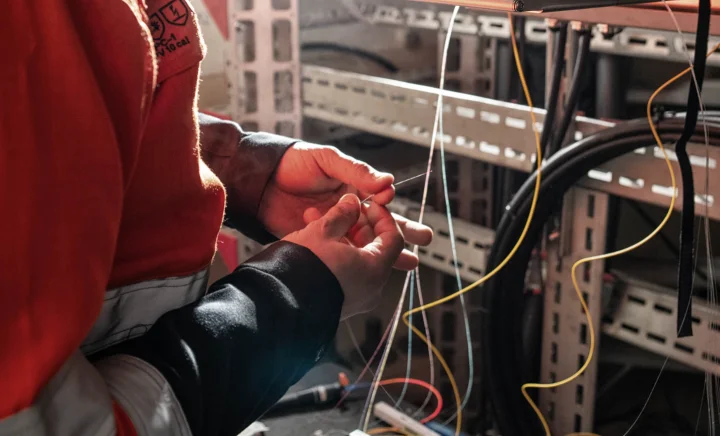
Cable manufacturing encompasses a range of techniques tailored to different needs. One common method is the extrusion process, where insulating materials are applied under high pressure to form a protective layer around conductors. Another approach involves hand-assembly for custom cables, allowing for precise configurations. The industry also focuses on producing cables with standardized connectors to enhance compatibility across systems. These techniques vary depending on whether the cables are intended for permanent installation or temporary use.
Types and Applications in Electrical Systems
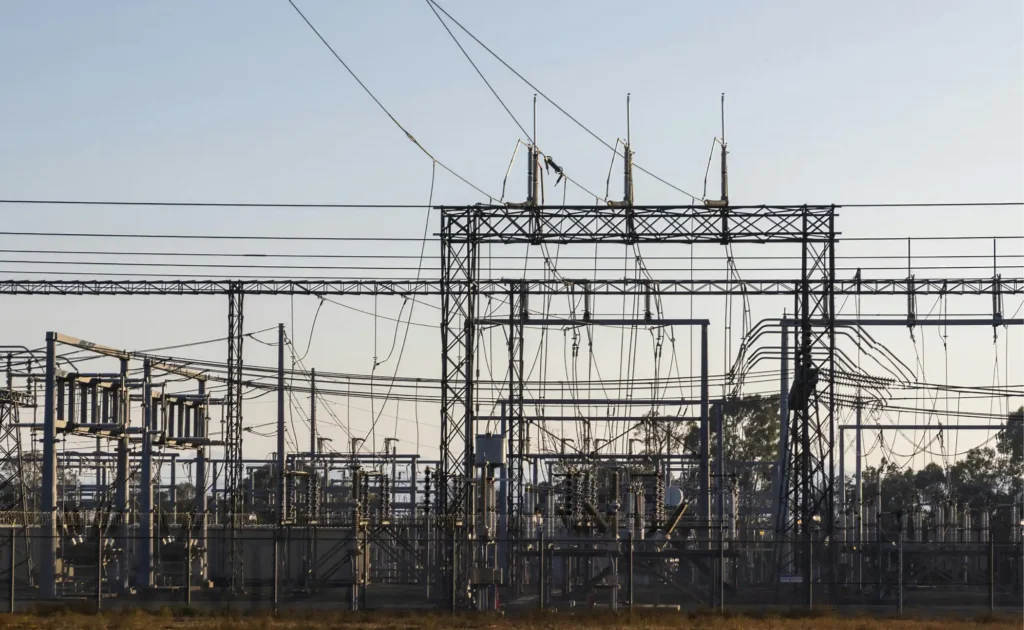
- Power Transmission: Cables manufactured for high-voltage lines connect power plants to the grid.
- Telecommunications: Specialized cables support data transfer in fiber optic networks.
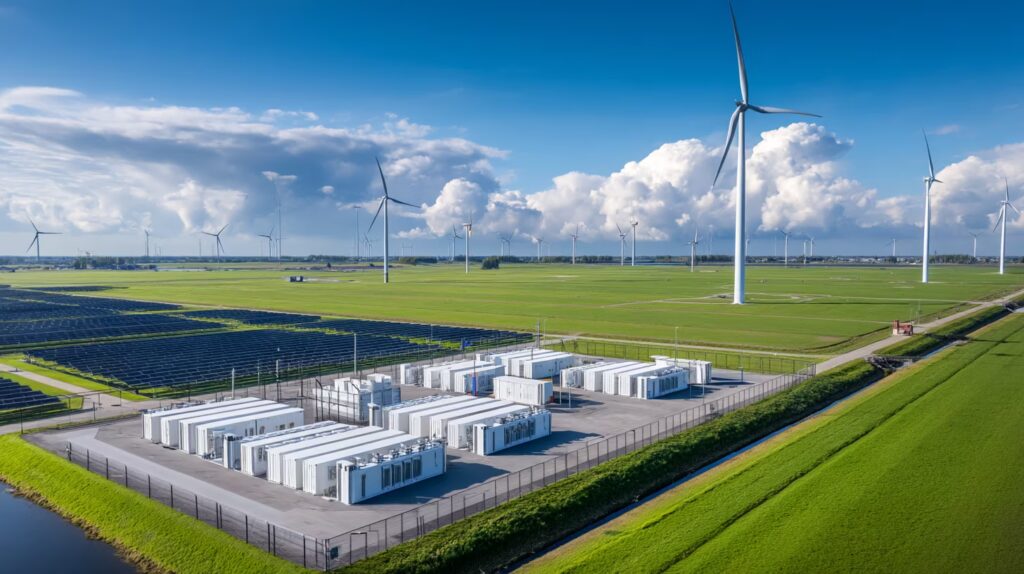
- Renewable Energy: Pre-assembled cables link wind turbines or solar panels to electrical systems.
- Industrial Use: Custom cables serve heavy machinery and manufacturing facilities.
Benefits of Quality Cable Production
Well-manufactured cables contribute to safety, efficiency, and longevity in electrical systems. Rigorous testing during production ensures they meet industry standards, reducing the risk of failures. For more information feel free to contact us. If you are looking for a job please view this page.